
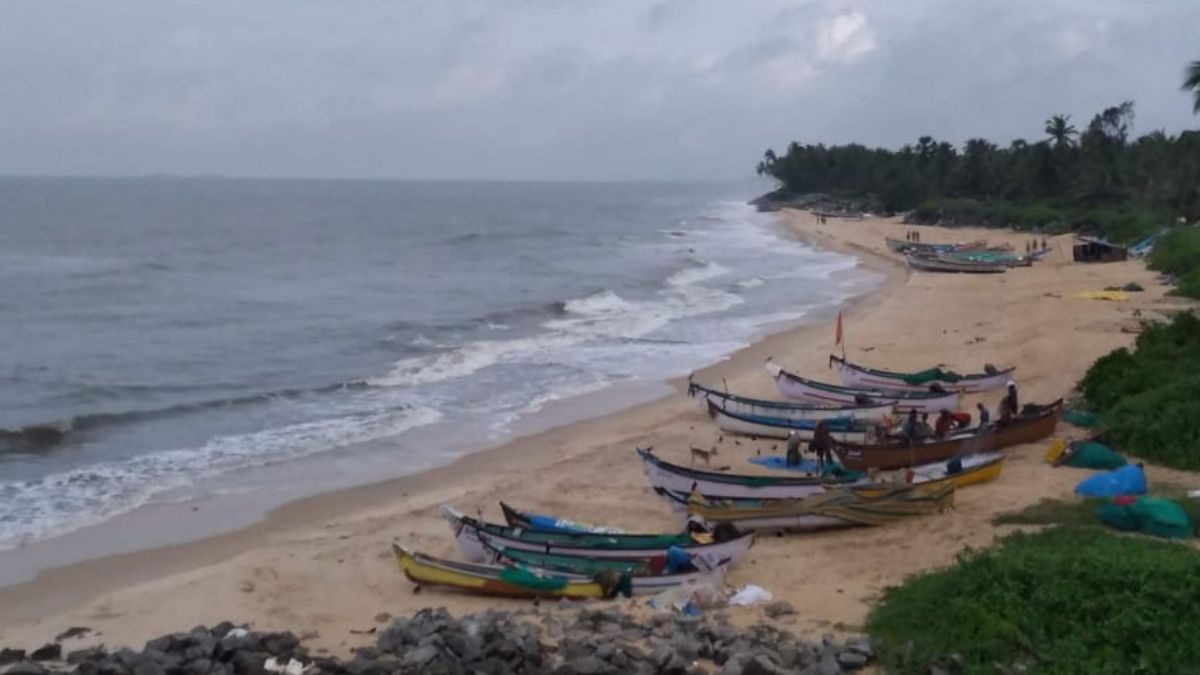
Manipal, a culturally vibrant destination attracts several visitors
A budget-friendly coastal haven nestled about 60 km from Mangalore and just 3 km from the temple city of Udupi, Manipal, in the southern Indian state of Karnataka, stands as one of the region’s most picturesque, tranquil, and culturally vibrant destinations.
Though it is more popular as an educational town, with numerous private universities and colleges, led by Manipal Group, Manipal also offers natural beauty and a cosmopolitan character that attracts visitors from across India.
Set beside the Arabian Sea, Manipal enjoys the best of both worlds, the serene coastal charm of Udupi and the lush greenery of the Western Ghats. The town is blessed with rolling hills, meandering rivers, and a panoramic sea view that leaves both students and travellers utterly spellbound. The gentle sea breeze mingling with the fragrance of rain-soaked earth creates an atmosphere that is both rejuvenating and deeply nostalgic, a feeling many who have lived here carry with them forever.
Once a modest part of the Shivalli village panchayat, Manipal’s destiny took a transformative turn when visionary educationist Tonse Madhava Anantha Pai (TMA Pai) envisioned it as a centre of higher learning. What began as an experiment in the 1950s soon grew into one of India’s leading educational ecosystems.
Also Read: Discover untouched beauty of river cruise in Karnataka
The town’s remarkable journey began with the establishment of Kasturba Medical College (KMC), the first private medical college in India, started in 1953. This pioneering step not only reshaped India’s higher education landscape but also placed Manipal on the global map.
Over the decades, the small, sleepy settlement evolved into a thriving university town, home to Manipal Academy of Higher Education (MAHE) and a wide range of professional institutions.
Most of the town’s major attractions, restaurants, and hangout spots are conveniently located within or around the sprawling university campus, making it a self-contained world in itself.
Malpe Beach
A short drive from Manipal, Malpe Beach remains a popular coastal retreat for students, locals, and tourists alike. With its silky golden sands, turquoise waves, and wide open skies, the beach offers the perfect escape from lectures and office life. It is a place where the sound of crashing waves mingles with laughter, conversations, and the occasional strum of a guitar.
The lively promenade buzzes with energy, offering a host of water sports such as jet skiing, parasailing, and speed boating, which cater to adventure enthusiasts seeking a rush of adrenaline. Those who prefer something calmer can simply sit by the shore, watching the sun melt into the Arabian Sea as fishing boats dot the horizon.
The beach’s local charm is unmistakable. Hawkers sell freshly caught fish, crispy dosas, and flavourful chaats or snacks, filling the air with the irresistible aroma of coastal Karnataka cuisine. Colourful beach stalls line the walkway, offering budget-friendly beachwear, sunglasses, and flip-flops, giving the area a laid-back, festive vibe. The nearby Malpe Sea Walk is another attraction, providing stunning views of the coastline, especially during sunset.
A short boat ride from the shore takes visitors to St. Mary’s Island, a geological wonder known for its hexagonal basalt rock formations, a sight as rare as it is mesmerising.
Agumbe
Tucked amidst the Western Ghats, Agumbe is one of Karnataka’s most enchanting destinations and a favourite weekend getaway for Manipal’s students. Perched on a scenic mountain pass connecting the coastal plains with the Deccan plateau, Agumbe is often referred to as the “Cherrapunji of South India” because of its abundant rainfall.
The region’s mist-draped hills, lush evergreen forests, and breathtaking viewpoints make it a photographer’s paradise. A thrilling bike or scooter ride through its 14 sharp hairpin bends rewards travellers with stunning panoramic views and a rush of nostalgia, as the area famously served as the setting for R. K. Narayan’s classic television series Malgudi Days.
Agumbe is also home to rare wildlife, including the King Cobra, and is surrounded by numerous waterfalls, streams, and trekking trails. The best time to visit is before or after the monsoon, when the hills are blanketed in fresh greenery and the skies are clear.
Udupi Sri Krishna Temple
The Udupi Sri Krishna Temple is one of the most ancient and revered temples in South India. Founded in the 13th century by Saint Madhvacharya, the temple is dedicated to Lord Krishna and represents the heart of Udupi’s spiritual and cultural identity.
The temple’s traditional South Indian architecture, with its copper-plated roofs, wooden pillars, and intricately carved ceilings, reflects the artistic craftsmanship of the region. Inside, devotees can view the idol of Lord Krishna through a small silver-plated window called the Navagraha Kitiki, a unique feature that symbolises humility and devotion.
Throughout the year, the temple comes alive during Krishna Janmashtami and the Rathotsava or Chariot Festival, when the idol of Lord Krishna is paraded through the beautifully illuminated streets of Udupi and Manipal. The air fills with music, devotion, and a sense of joyous community.
Kudlu Teertha Falls
For those seeking tranquillity and adventure, the Kudlu Teertha Falls offer a perfect combination of both. Hidden deep within the Western Ghats, this mesmerising waterfall cascades down from a 45 m rocky cliff, forming a pristine pool below. The sound of rushing water, surrounded by dense tropical foliage and the call of distant birds, creates an atmosphere of serene isolation.
To reach the falls, visitors embark on a trek of 3-4 km through thick forests, crossing small streams and uneven trails. The journey, though slightly challenging, is immensely rewarding. Kudlu Teertha is particularly beautiful during the post-monsoon months when the water flows abundantly, and the surrounding landscape glows a vivid green.
Hasta Shilpa Heritage Village
No visit to Manipal is complete without exploring the Hasta Shilpa Heritage Village, an open-air museum that showcases the rich architectural and cultural heritage of Karnataka. Spread across a sprawling campus, the museum houses 18 meticulously restored heritage homes from the regions of Malnad, South and North Canara, and North Karnataka.
Each structure tells its own story, from the grandeur of the Mudhol Palace and Deccan Nawabi Mahal to the rustic charm of the Harihara Mandir and the Mangalore Christian House. Visitors can also explore a collection of artifacts, textiles, utensils, furniture, crafts, and toys, all of which provide an immersive glimpse into the lifestyles of Karnataka’s past.
For Nanditha S. Kumar, a Brand Manager who has lived in Manipal for nearly five years, the town holds a special place in her heart.
“I completed my undergraduate and postgraduate studies here and began my career in Manipal itself. For me, it is more than a town. it’s a home woven with memories. A place where the sound of Udupi’s temple bells sets the rhythm of life. An impulsive ride to Hoode Beach to chase sunsets, a peaceful retreat to Agumbe’s misty heights, or a quiet moment by Manipal Lake, these are the moments that define my life here,” Kumar told the Media India Group.
“As a proud daughter of this town, I have grown through its seasons. Manipal shaped my dreams, strengthened my spirit, and taught me the value of co-existence and acceptance: to live and let live,” she added.
Lipika Shetty, a native of Manipal, now residing in Mumbai, calls Manipal her peace.
“Manipal is not just a place, it is sukoon (peace) for me, a feeling that stays with you long after you have even left. Here, time slows down and hearts open. The sunsets at End Point, the gentle sea breeze and the gentle rhythm of the small-town life makes you come here often. Manipal for me, and a lot of other people who have spent a part of their lives here is not just a destination, it is a state of mind, a bond and a belonging. Every corner here tells a story,” Shetty tells Media India Group.
From its academic prestige and cultural depth to its scenic coastline and youthful vibrancy, Manipal stands as a microcosm of modern India, where knowledge, nature, and community harmoniously converge. It is not merely a destination but an emotion, one that lingers long after visitors leave its sunlit hills and sea-kissed breeze behind.
