
Indian festivals not only celebrate culture and faith but also create space for dialogue on tabooed topics
India is a land of diverse traditions and rituals. While many festivals are widely known for their grandeur and devotion, some stand out for their boldness in challenging deeply rooted social taboos.
These festivals not only celebrate culture and faith but also create space for dialogue on topics like menstruation, gender identity, caste and death, subjects that are often avoided or considered uncomfortable in everyday life.
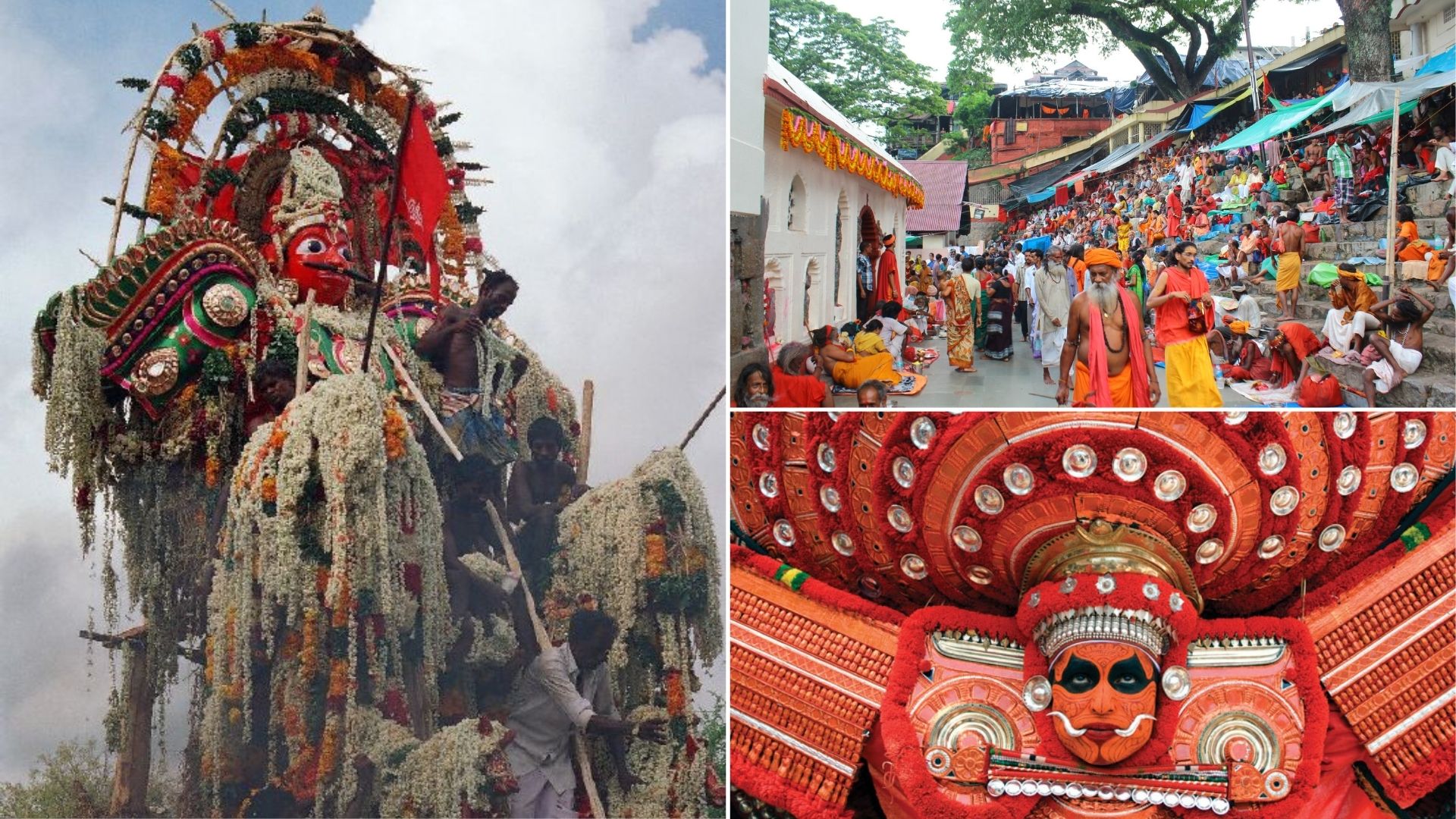
Ambubachi Mela, Assam
Held at the Kamakhya Temple in Guwahati, this unique festival honours the goddess’s annual menstruation cycle. Unlike most societies where menstruation is seen as impure or shameful, Ambubachi celebrates it as a symbol of fertility and creation.
The temple closes for three days during this sacred time and reopens with grand rituals, drawing thousands of pilgrims.
Koovagam Festival, Tamil Nadu
This vibrant 18-day long festival is dedicated to transgender identity and rights. Held in the village of Koovagam, it celebrates the story of Aravan, a mythological warrior who married Krishna, a Hindu god, in his female form.
Transgender individuals known as aravanis, from across India gather to re-enact the symbolic marriage and express their gender identity in a sacred, communal setting, challenging social exclusion and stigma.
Theyyam, Kerala
In the ritualistic dance form of Theyyam, primarily found in northern parts of Kerala, individuals from marginalised and lower-caste communities are chosen to embody deities.
During performances, temporarily reversing traditional caste hierarchies.
Theyyam not only celebrates folk beliefs but also challenges social inequality and caste-based discrimination.
Raja Parba Festival, Odisha
This three-day festival celebrates menstruation as a symbol of fertility and rejuvenation, directly confronting the widespread stigma that views menstruation as impure.
During Raja Parba, women are honoured and the entire community participates in festivities that emphasise respect and inclusion across caste and social boundaries, breaking traditional taboos associated with menstruation.
