
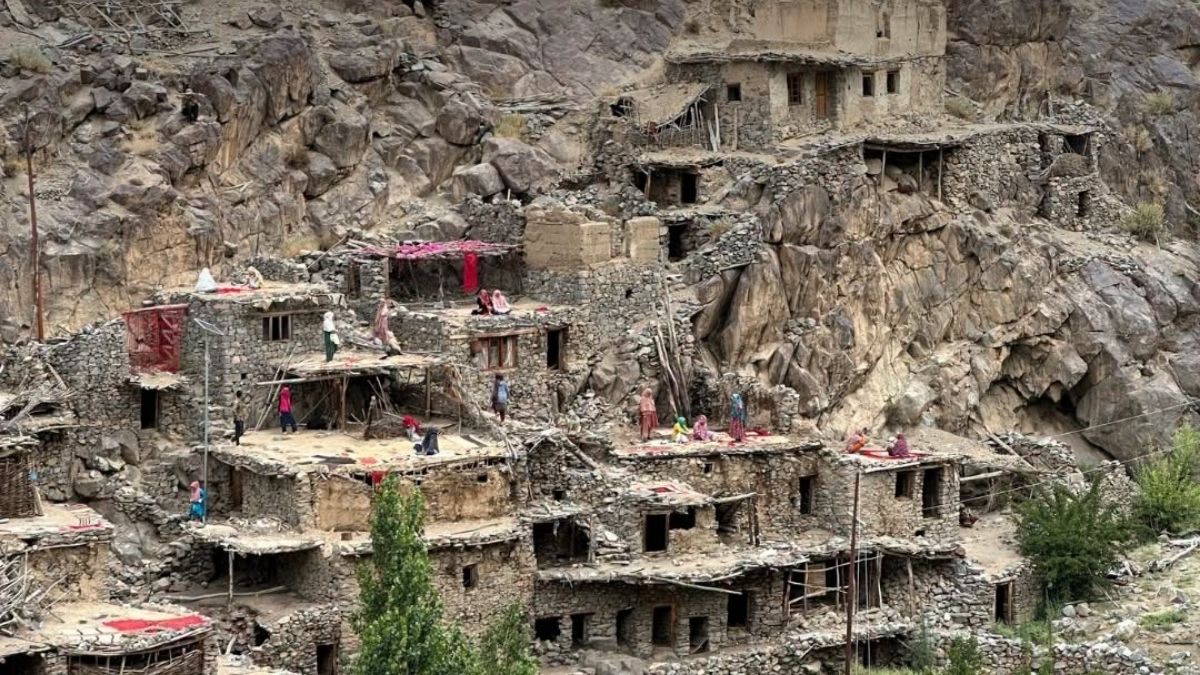
The heritage reflects the life of mountain communities that adapted their homes, food, clothing, and customs to the harsh landscape (Photos: Ladakh Tourism)
Hidden in the rugged landscape of northern Kargil, near the Suru River, sits a remote border settlement where abandoned homes and crumbling walls preserve memories of families whose lives were disrupted by war. The village, Hunderman, was caught in numerous India-Pakistan conflicts, including the wars of 1947–48, 1965 and 1971, which have shaped its history and changed the course of life along the frontier.
Today, Hunderman offers visitors a rare glimpse into contested past of Ladakh and the human stories left behind by shifting borders.
The shift of Hunderman into Indian territory had a profound impact on its inhabitants. Families were divided as the newly drawn border between India and Pakistan placed loved ones on opposite sides, husbands and wives were separated, brothers lost contact and many were displaced from their homes. Even 55 years later, visiting Hunderman is like stepping into a living museum where every corner holds a piece of the past.
Also Read: Kishangarh: Waste heap turns into tourism hotspot
From “Brok” to a village shaped by changing borders
Hunderman is different now from what it was in the past. The original settlement was established around 400 years ago at a lower altitude, where fertile land and a steady supply of water supported life. It was known as Brok, and was part of Balistan before borders shifted after 1947 and later conflicts. The original Hunderman village now often referred to as the Old Hunderman, was gradually abandoned and fell into disrepair.
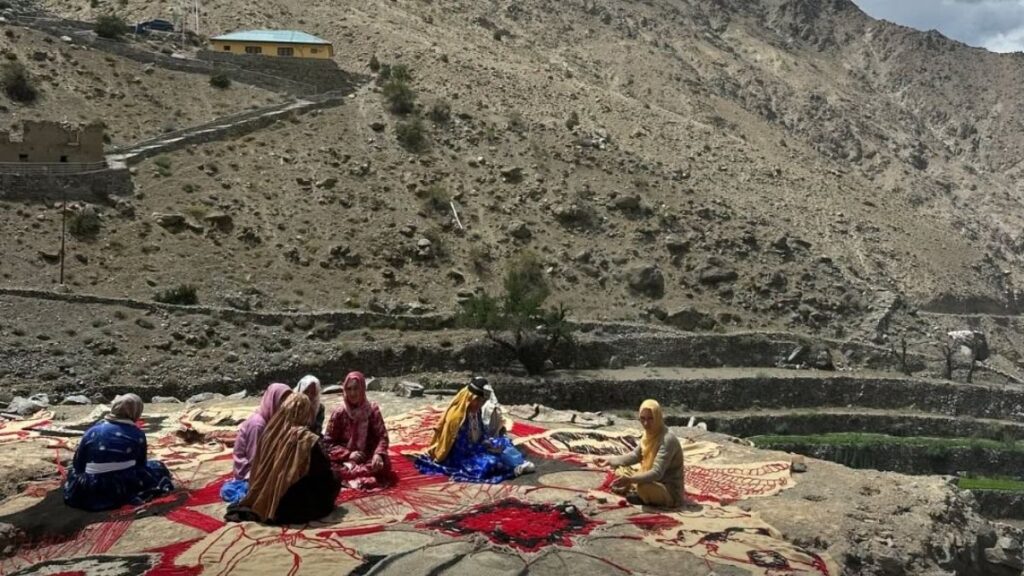
The village heritage is reflected in its old stone and mud houses, local way of life and the everyday objects
The story of the merger of Hunderman into the Indian territory is closely linked to that of Major Mansingh of the Gorkha Regiment, who was among the first Indian soldiers to reach the village during the 1971 conflict. His kind words and efforts to provide food and essential supplies gave the villagers a sense of hope during the difficult time.
Shifting borders, enduring cultures
Despite the change from Pakistani to Indian control, Hunderman carries the cultural imprint of Balistan, a region whose history and traditions extend across the mountains of present day Ladakh and Pakistan-occupied Balistan. The heritage reflects the life of mountain communities that adapted their homes, food, clothing, and customs to the harsh landscape.
The village heritage is reflected in its old stone and mud houses, local way of life and the everyday objects. The traditional houses built largely with locally available stone, mud and timber, the closely packed homes helped protect residents from the severe Himalayan winters. The culture of Hunderman can also be seen in the objects behind the by its residents, traditional utensils, jewellery, clothing, household possessions and documents preserved in Museum of Memories.
Also Read: Hemis Festival: Ladakh’s vibrant celebration of faith and culture
Hunderman’s story is inseparable from the wars that repeatedly redrew the lives of people there. The village experienced the upheavals of the 1947 to 1948 India and Pakistan war, the 1965 war and 1971 war, while the wider Kargil region was again thrust into conflict during the 1999 Kargil war. The wars were not distant events for the village residents, they also reached into homes, disrupted livelihoods and separated families.
From war relics to letters: The memories keep the village alive
In Hunderman, history does not sit behind glass in form of grand monuments or royal artefacts. It lives in the small things people once held close and the objects in the museum tell an extraordinary story. The museum offers a deeply personal glimpse into a village shaped by borders, conflict and separation. Its exhibits preserve memories of families whose lives changed when political boundaries divided communities.
A villager named Ilyas Ansari transformed his ancestral homes in the old Hunderman Brok village into what it became Hunderman Museum of Memories. Walking through the house feels like entering a conventional museum, military remnants recall conflicts that reshaped the region, while everyday belongings reveal something more about the stories connected to those objects.
Also Read: Nubra Valley: A hidden paradise in Ladakh
Today the traces of that turbulent past remain embedded in Hunderman, the museum preserves military remnants alongside the more belongings including old documents, photographs, household objects, and personal possessions. Together they reveal two sides of the war, with the battles recorded in history books and the quieter human stories of people who had to rebuild their lives around changing border.
For visitors, Hunderman offers a perspective on history that goes beyond battlefields and political boundaries. This place story is ultimately about the people and their homes, traditions, families and memories. In preserving these fragments of the past, Hunderman ensures that the history of a border community is remembered not only through wars it witnessed but also through the life and culture that endured.
