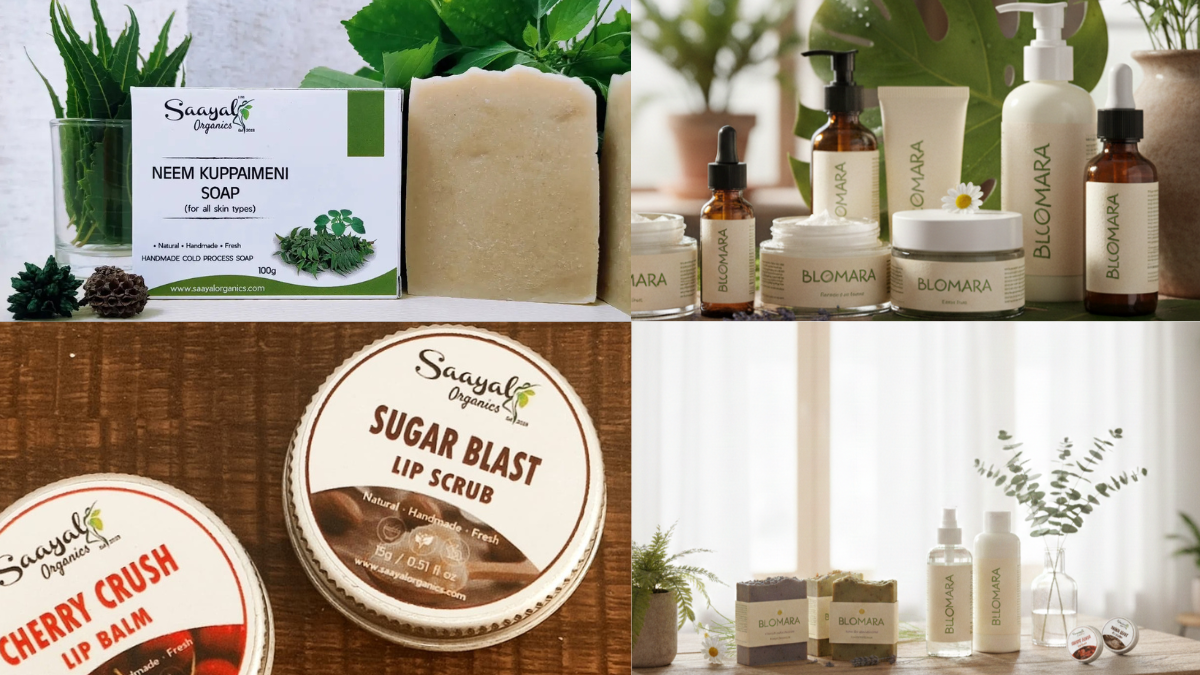
Small-scale organic skincare products are gaining greater traction in India
Skincare is no longer limited to basic cleansing routines. Consumers are increasingly seeking products that are natural, ethical and free from synthetic chemicals. With this organic trend, small producers making handcrafted soaps, oils and lotions are reaching buyers across India. Rising awareness and online accessibility are making the organic segment a vibrant and profitable niche.
From handmade bathing bars to plant-based face oils and mild herbal shampoos, organic personal care products are no longer niche offerings. Changing consumer preferences, increasing concern over synthetic ingredients and the rapid spread of e-commerce are reshaping the way Indians shop for everyday personal care.
“Our first batch of handmade soaps cost around INR 25,000 in raw materials and we sold out within weeks,” Nishalini Rajendran, 28-year-old, Founder, Saayal Organics, a producer of natural personal care products, in Coimbatore in Tamil Nadu, tells Media India Group.
“Now, monthly material costs range from INR 80,000-120,000, while finished products generate around INR 200,0000 in revenue per month,” says Rajendran.
This growth at the grassroots level reflects a larger industry trend. According to Research and Markets, India’s organic personal care market was valued at approximately INR 83.7 billion in 2024 and is projected to reach INR 236 billion by 2029, growing at nearly 24 pc CAGR, driven by demand for clean-label, plant-based and ethically produced products.
Also Read: Student Startups: From study halls to stalls
Just a decade ago, organic personal care products were limited to niche health stores and small urban circles. Today, rising disposable incomes and lifestyle shifts are pushing natural skincare into everyday routines. Millennials and Gen Z consumers, in particular, are adopting organic products as part of self-care, wellness and preventive health.
Market forecasts also point to strong growth in specific product categories. While soaps and basic skincare remain popular, demand for herbal shampoos, sulphate-free cleansers, vegan lotions and ayurvedic formulations is rising faster than the overall market. Ken Research notes that premiumisation and ingredient transparency are key factors influencing purchase decisions in urban India.
One of the biggest shifts in the organic personal care space has been the rise of online sales, reinforced by strong word-of-mouth recommendations.
Social media and e-commerce platforms have lowered entry barriers for small producers, allowing them to scale without physical stores. Instagram Shops, Amazon, Nykaa and brand-owned websites now enable small organic brands to reach customers across cities.
“Most of our orders come through our website,” Utkarsh Singh 31-year-old, Founder, Blomara, an organic skincare brand based in Delhi, tells Media India Group.
“Word of mouth helped us build trust in the early days. Today, we spend around INR 50,000-INR 70,000 on raw materials each month, and sales from finished products usually generate INR 150,000-160,000,” says Singh.
However, the sector faces challenges. High costs of organic raw materials, eco-friendly packaging and compliance with safety standards can squeeze margins. Logistics and shelf-life management add further pressure, especially for handmade and preservative-free products.
“Margins can be tight, especially when ingredient prices fluctuate. But customers are willing to pay when quality and authenticity are clear,” adds Singh.
Also Read: India’s cake market on year-long rise
Despite operational hurdles, industry experts expect sustained growth. Research and Markets projects continued expansion as digital retail deepens, smaller towns adopt online shopping and consumers prioritise clean and ethical brands.
Cultural and lifestyle changes are also at play. Organic soaps, oils and lotions are increasingly being bought as gifts during festivals, weddings and special occasions, expanding their use beyond daily utility. Natural personal care products are now part of festive hampers and premium gifting, especially in urban markets.
“Earlier, customers bought organic products mainly for personal use. Now, a significant share of our orders comes from people buying soaps and skincare as gifts,” says Singh.
“Natural products have become a premium, thoughtful gifting choice, especially in cities,” says Rajendran.
For small producers, the market offers both opportunity and competition.
“There are many new brands entering the space. But if you stay honest about ingredients and focus on quality, customers stay loyal,” she adds.
For consumers, this growth means more choice, from handmade soaps and herbal shampoos to vegan lotions and ayurvedic skincare products tailored to modern lifestyles.