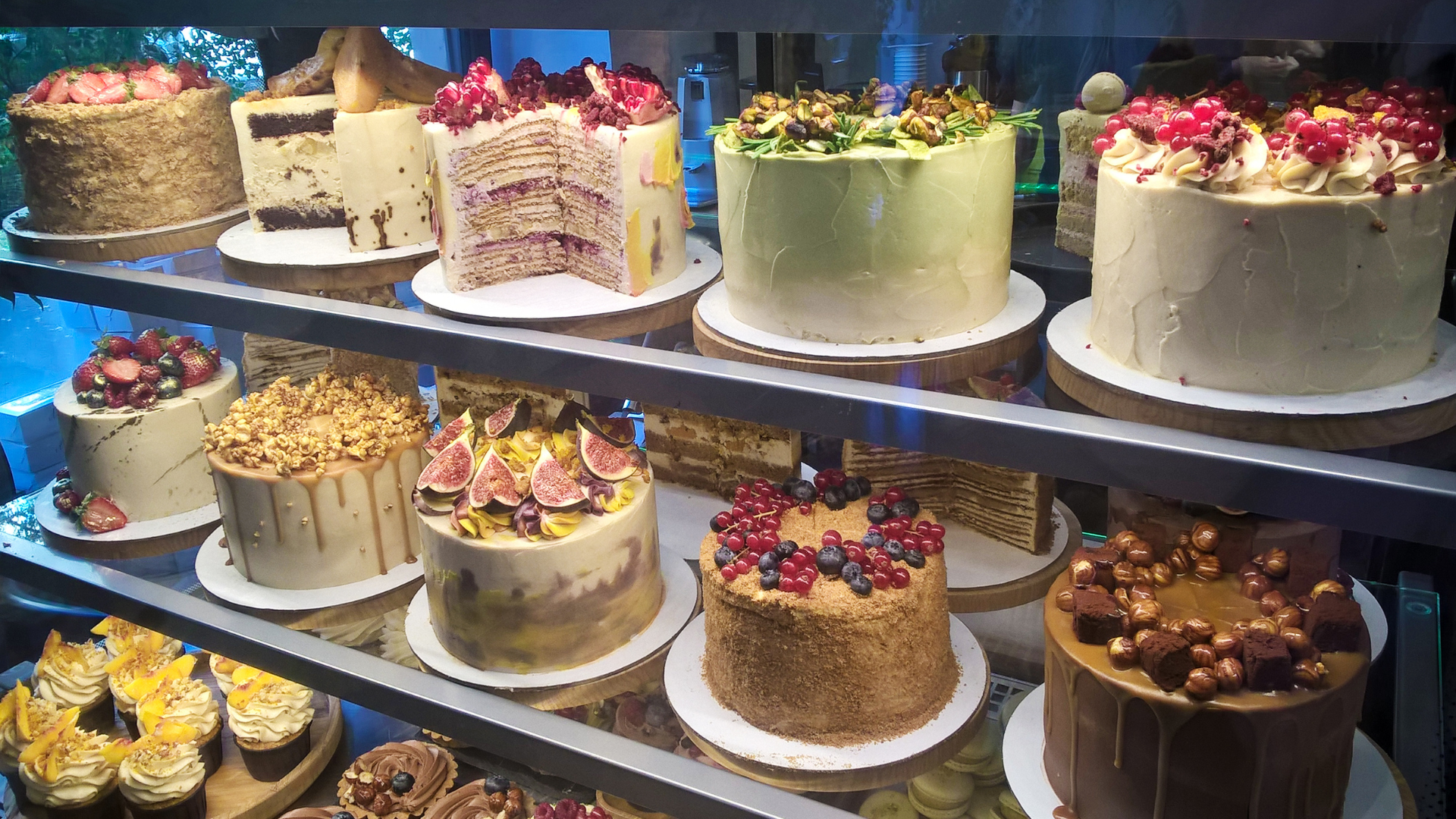
India’s cake market is rising steadily, transforming from a niche celebratory item into an everyday indulgence with a broader audience
As India heads into the New Year, cakes are no longer limited to birthdays and weddings. From customised celebration cakes to vegan and sugar-free options, evolving consumer tastes and online delivery are reshaping the bakery business. With rising demand, expanding chains and growing health awareness, India’s cake market is turning everyday moments into sweet celebrations.
“December and January together can make up 30 to 40 pc of our yearly revenue. People want celebration cakes New Year, Christmas, birthdays and this year, more are asking for vegan, sugar-free or fully customised designs,” Shweta Singh, co-owner of the Sweet Spot, a bakery in Noida, near Delhi, tells Media India Group.
This surge is part of a larger trend. India’s cake market is rising steadily, transforming from a niche celebratory item into an everyday indulgence with a broader audience and deeper pockets. According to industry research, the market is projected to grow by approximately USD 217.7 million at a 6 pc Compounded Annual Growth Rate (CAGR) through 2029 driven by evolving consumer tastes, a growing appetite for premium offerings, and rapid online expansion.
Just a decade ago, cake consumption in India was primarily tied to birthdays and weddings. Today, urban lifestyles and rising disposable incomes are making cakes a fixture of everyday life. Millennials and Gen Z see cakes as part of celebrations personal achievements, dinner parties, even weekend indulgence.
Also Read: Rising loaves: India’s bakery industry goes beyond bread
Market forecasts also highlight the rise of specialised cake types. While traditional sponge and chocolate remain popular, demand for vegan, sugar-free, and free-from (egg-free, gluten-free) cakes is growing faster than the overall market. Some segments, like egg-free and vegan cakes, are expanding at a 12.6 pc CAGR, more than three times the growth of conventional cakes.
In Bengaluru, dubbed India’s “Cake Capital” by some industry insiders, quick commerce platforms recorded over 8.5 million cake orders in 2023 alone, reflecting how deeply cake delivery has penetrated consumer habits during festivals and casual celebrations alike.
One of the biggest shifts has been the explosion of online ordering and delivery. Platforms such as Swiggy, Zomato, Blinkit and bakery-specific apps now offer same-day or midnight delivery. This digital transformation has also lowered barriers for small bakers. Cloud kitchens and home bakers are gaining traction by listing their products on marketplaces and social media. At Sweet Truth – Cake and Desserts, a bakery in Delhi, Kavita Rao says online orders now account for more than half her business.
“Online presence has changed everything. We get orders from people who would never have walked into our shop,” Rao tells Media India Group.
But it is not just local players. Large chains and national brands are expanding too. Ferns N Petals, a nationwide retailer that began as a florist, reports that cakes account for up to 40 pc of its online sales, and it is growing its network of cake stores across India. Investments and acquisitions highlight the market’s bigger momentum, with ChrysCapital’s planned acquisition of bakery chain Theobroma for around INR 241 million signalling strong investor confidence in bakery brands and premium offerings.
Also Read: Food shopping destinations
While indulgence drives demand, health awareness shapes product innovation. Diabetes, weight management, and clean-eating trends have pushed consumers toward sugar-free or reduced-sugar cakes.
“Many customers today ask for jaggery, honey or natural sweeteners instead of refined sugar,” says Rao.
Data backs this shift: the cake market report highlights increasing demand for sugar-free and vegan cakes as a significant driver of growth, as more Indians seek healthier alternatives without giving up taste. Some artisanal bakeries are introducing high-protein and allergen-friendly options to appeal to fitness-focussed buyers, while others experiment with millet flours and superfoods in cake recipes.
Cultural shifts also power the market. Cakes are no longer only for traditional milestones as they are now integral to festivals like Diwali, Christmas, Valentine’s Day and the New Year. Plum cakes once tied to Christmas alone are now embraced across communities, with bakeries offering variants like vegan plum cakes and sugar-free slices. In places like Lucknow, capital of Uttar Pradesh, plum cake sales during December can account for 25–35 pc of annual revenue for some shops.
With the New Year just days away, the cake culture in Delhi shows no signs of slowing down. The rush is especially visible in shopping hubs. At a cake shop of Living Style Mall in Jasola in south Delhi, workers say footfall has picked up significantly in the days leading up to New Year.
“People are buying cakes not just for parties but also as gifts. There is a steady flow of walk-in customers and many last-minute orders, especially in the evenings, as shoppers prepare for New Year celebrations,” Rohit Kumar, a baker at the outlet, tells Media India Group.
Despite growth stories, the industry faces hurdles. Cakes have a limited shelf life, forcing bakeries to manage inventory carefully. Logistics and cold-chain infrastructure remain expensive, particularly for smaller players trying to deliver fresh cakes across cities.
High ingredient costs especially for premium raw materials like Belgian chocolate or boutique flours can squeeze margins, particularly for independent bakers. Some also find it tough to balance price and quality when competing with branded packaged cakes available at supermarkets.
Seasonality is another factor. While festivals and year-end celebrations boost demand, summer months can be slow for fresh cake sales, requiring creative promotions and product diversification to maintain revenue throughout the year.
Also Read: For the sake of a good bake
Experts says India’s cake market is poised for continued growth. As urban lifestyles evolve, and as small towns embrace customised and online ordering more actively, the cake industry is inching closer to mainstream food trends. The growth of quick commerce platforms and innovative bakery formats including hybrid café-bakery outlets is making cakes more accessible than ever.
For independent bakers, this presents both opportunity and challenge. “Competition is fierce. But there is room for creativity. If your product tastes good and your online presence is strong, you can carve out your niche,” says Rao.
For consumers, that means more choices, from classic chocolate indulgence to protein-rich, sugar-free celebration cakes topped with edible flowers or personalised messages.
As the New Year bells are set to ring across India, that sentiment sweet, personal, and celebratory is exactly what keeps this market rising.