
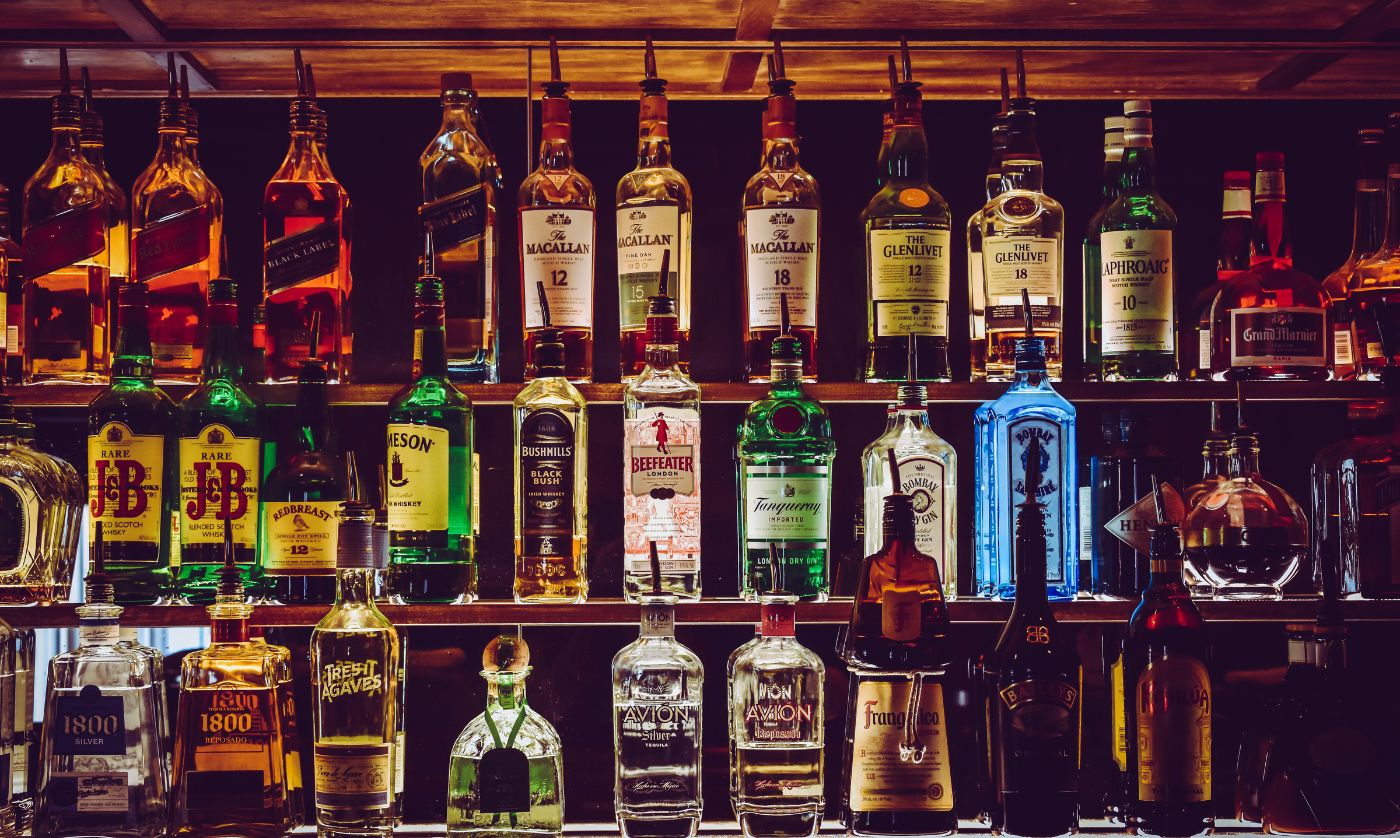
rising urbanisation, higher disposable incomes & shifting lifestyles drive growth of alcohol industry (Photo: Canva)
After a long, stressful workweek, more and more Indians are turning to a familiar ritual, uncorking a bottle of wine, cracking open a beer, or pouring themselves their favourite spirit. What was once a reserved indulgence has steadily woven itself into the fabric of urban relaxation. And behind every laid-back evening is a rapidly expanding industry.
The numbers say it all. According to the International Spirits and Wines Association of India (ISWAI), that brings together foreign alcohol manufacturers, the Indian alcoholic beverage market was worth a staggering USD 52.4 billion in 2021, roughly 2 pc of the country’s GDP. But that is just the beginning. The market is expected to swell to USD 64 billion within the next five years, potentially making India the fifth-largest contributor to global alcohol revenues.
From weekend wind-downs to social celebrations, premium alcohol is increasingly becoming a symbol of leisure and lifestyle for India’s middle and upper classes. Whether it is a glass of wine consumed at a party or a craft cocktail at a rooftop bar, the message is clear, India is drinking more, and the industry is pouring out success.
Popping the cork
Alcohol distributors attribute the industry’s expansion to rising urbanisation, higher disposable incomes, shifting lifestyles, and evolving social drinking habits, factors they say are steadily fuelling market growth.
Gopal Krishnan Joshi, a seasoned consultant and strategist with over 35 years of experience in the alcoholic beverage industry, believes that the rapid urbanisation and growing disposable income across India have been key drivers behind the sector’s remarkable growth.
“What is driving the growth of alcoholic beverages in India is rapid urbanisation, probably the biggest factor. And it is not just people from rural areas moving to cities like Mumbai, Delhi, or Bengaluru, it is also the reverse. With more people working remotely, many are relocating from metros to Tier II and Tier III cities, fuelling consumption there too. The second key factor is rising disposable income, especially since India has one of the youngest populations globally, and many are now entering the legal drinking age, anywhere from 21 to 25 years, depending on the state. Third, post-pandemic, there has been a clear rise in home-based parties. As a result, people are hosting more at home, experimenting with cocktails and mixology, which is also boosting demand,” Joshi tells Media India Group.
But Yash Wadhwani, CEO and founder of Pune-based Rykaa Liquors, has a different take. With a decade of experience in alcohol distribution, he believes it is not just rising incomes or urban lifestyles fuelling the boom, it is also the growing social acceptance of alcohol itself especially among females.
“Earlier, you used hardly see female customers at retail outlets. But that is changing now, retail stores are not those old-school, caged golden shops anymore. We are seeing modern, walk-in, well-designed stores that are far more inviting. That shift has driven inclusivity. Today, many women feel completely comfortable walking into a retail outlet and picking up their preferred spirit without hesitation,” Wadhwani tells Media India Group.
Echoing this shift in perception, Shalini Sharma, Head of Marketing at Piccadily Agro Industries Limited, a domestic single malt whisky manufacturer, points out that just a decade ago, alcohol consumption was still viewed as a private activity or even taboo in many regions. But over the years, that stigma has faded, and drinking has gradually become a more normalised part of social life.
“India’s alcohol industry has witnessed a remarkable shift in public perception and social acceptance over the past decade. Once considered a private or even taboo activity in many regions, alcohol consumption has become increasingly normalised, particularly in urban areas. The rise of nightlife, upscale dining and curated social experiences has made drinking a more visible and accepted part of modern lifestyles. The pandemic further accelerated this shift, with home consumption becoming more common and social drinking gaining broader acceptance,” Sharma tells Media India Group.
Craft beers and artisanal spirits take centre stage
Building on this growing social acceptance, India’s alcohol landscape is now being shaped by evolving consumer preferences that prioritise quality, authenticity and experience. Today’s consumers, especially millennials and Gen Z, are trading predictable pours for personality-packed, handcrafted spirits and experimental brews. The thirst for authenticity has pushed craft beers, small-batch gins and indigenous liquors like feni and mahua into the limelight. Whether sipping a smoky artisanal whisky or cracking open a mango-chilli IPA, drinkers are embracing a new wave of premium, proudly local options that offer story and substance. It is not just about drinking it is about discovery.
According to Sharma, Indian consumers particularly Gen Z and urban millennials are increasingly drawn to beverages that offer more than just taste. They are gravitating towards brands that tell compelling stories and proudly celebrate India’s cultural and artisanal heritage.
“There has been a remarkable shift, Indian consumers are now choosing homegrown single malts and rums over international labels. It is a mix of rising quality, growing recognition and evolving tastes. There is also a strong sense of cultural pride as people want brands that celebrate Indian heritage. With more awareness, tasting events, and exclusive releases, palates have become more refined, especially among urban millennials and Gen Z, who are looking for high-quality, artisanal products with unique stories and provenance,” adds Sharma.
Joshi says that premiumisation is a key driver of the industry’s growth, with consumers increasingly choosing quality over quantity.
“I have seen firsthand that premiumisation is growing fast. People are moving away from their usual brands, exploring newer, more premium options and they are open to tasting and trying. It is the key driving this shift,” adds Joshi.
However, Wadhwani notes that on-trade consumption drinks enjoyed in bars, pubs and restaurants, is where the real buzz is. Consumers are not just drinking, they are chasing experiences, and these lively social settings have become the go-to spots for sipping and socialising.
“On-trade consumption drinking at the outlet itself has grown significantly. Ten years ago, it was not nearly as common. Now in cities like Pune, Mumbai, and even across major Tier II and Tier III cities, it is really picking up,” adds Wadhawani.
Also Read: Counterfeit goods surge globally to USD 467 billion: OECD
UK-India FTA: A looming challenge for India’s alcohol industry
But amidst this shift in drinking culture, a major policy change is set to reshape the industry further, the UK–India Free Trade Agreement, which was finalised on May 6, after years of negotiations. As part of the deal, India has agreed to halve import duties on British gin and whisky from 150 pc to 75 pc, a move that has sparked a mixed response across the alcohol sector.
International Spirits and Wines Association of India (ISWAI) has welcomed the decision as a strategic win for both nations, as it believes that it can boost trade, investment and premiumisation in India’s evolving alcohol market.
However, not everyone is raising a toast. The Confederation of Indian Alcoholic Beverage Companies (CIABC), a grouping of Indian alcohol brands, has voiced concerns over the tariff structure of the UK–India deal. Originally, the Indian government had proposed a phased reduction from 150 pc to 100 pc in the first year, eventually dropping to 50 pc. However, the final agreement bypassed that plan by cutting tariffs directly to 75 pc, with a future target of just 40 pc.
Additionally, the CIABC criticised the absence of a minimum import price, warning that this could trigger a surge of low-cost Scotch whisky into the Indian market. The group also urged the UK to eliminate non-tariff barriers particularly restrictive definitions of whisky that currently block Indian spirits from entering the British market. They further cautioned that similar FTAs with the European Union, the United States, Australia and New Zealand could pose additional risks, given those countries’ pricing advantages, state subsidies and surplus production.
Criticising the government’s decision, Wadhwani points out that Indian alcohol, already burdened by high taxes, will face an uneven playing field as cheaper UK imports undercut domestic brands in the market.
“Indian brands are already struggling with heavy taxation, and this will hit them even harder. If British products become cheaper due to reduced import duties, how are Indian companies supposed to compete? It creates an unfair market where imported brands cost less than local ones. Ideally, there should be some waiver or support for Indian producers too otherwise, it is just one-sided,” adds Wadhwani.
However, Joshi maintains it is still too early to make any definitive judgments.
“It is too early to judge the full impact on either domestic or international players. Every development has two sides. On one hand, Indian brands will face tough competition, especially if Scotch whisky currently priced at INR 2,000 starts retailing for INR 1,100– INR 1,200 due to duty cuts. This puts it head-to-head with Indian whiskies in the same price range, and the same applies to gin. On the other hand, many Indian manufacturers already blend Scotch malt into their products. With access to better quality vetted malt, they can actually enhance their offerings to meet global standards. In the end, it is a competitive world you need to compete by improving quality, pricing, packaging and overall presentation,” emphasises Joshi.
Also Read: India’s gifting industry gets personal: Where emotion meets innovation
But as the sector debates the pros and cons of the UK-India FTA, alcohol distributors are also open about the challenges that the sector continues to deal with it.
One of the prevailing challenges in the industry is the outdated perception and limited awareness of India’s ability to produce premium spirits.
“One of the biggest hurdles is breaking long-standing perception and educating global consumers about India’s ability to produce premium quality spirits is a continuous effort,” adds Sharma.
Adding to these perception issues are the layers of complex government regulations that continue to stifle growth. From strict state-level laws governing production, distribution, pricing, and availability, to the absence of alcohol under the national GST framework, businesses are forced to navigate a patchwork of tax rates and excise duties that vary wildly from one state to another. This not only squeezes profitability but also deters new entrants. Heavily controlled licensing norms and rigid distribution channels further compound the challenge, making expansion a regulatory maze for most players.
“We are a highly regulated industry with very strict compliance norms. We cannot raise our prices on our own, any hike has to be approved by the state excise departments. Unlike other sectors, our pricing is not indexed to wholesale or consumer price trends. So, what we sold in 2015, we are still selling at the same price in 2025. It makes doing business anything but easy,” notes Joshi.
Also Read: With 46 pc yearly growth India is the world’s second-largest freelance economy
Despite these challenges, Sharma acknowledges that the industry’s regulatory hurdles are just one part of the picture. She emphasises that the rise in global recognition, growing consumer curiosity and the strengthening reputation of Indian spirits continue to drive the sector forward.
“Another big challenge is dealing with the complex global regulations and distribution networks. Each market has its own import laws, tax structures, and labelling requirements, so it really takes careful planning and strong partnerships. But despite all that, the rise of Indian spirits, increasing consumer interest, and growing recognition from experts worldwide are definitely creating new opportunities,” believes Sharma.
