
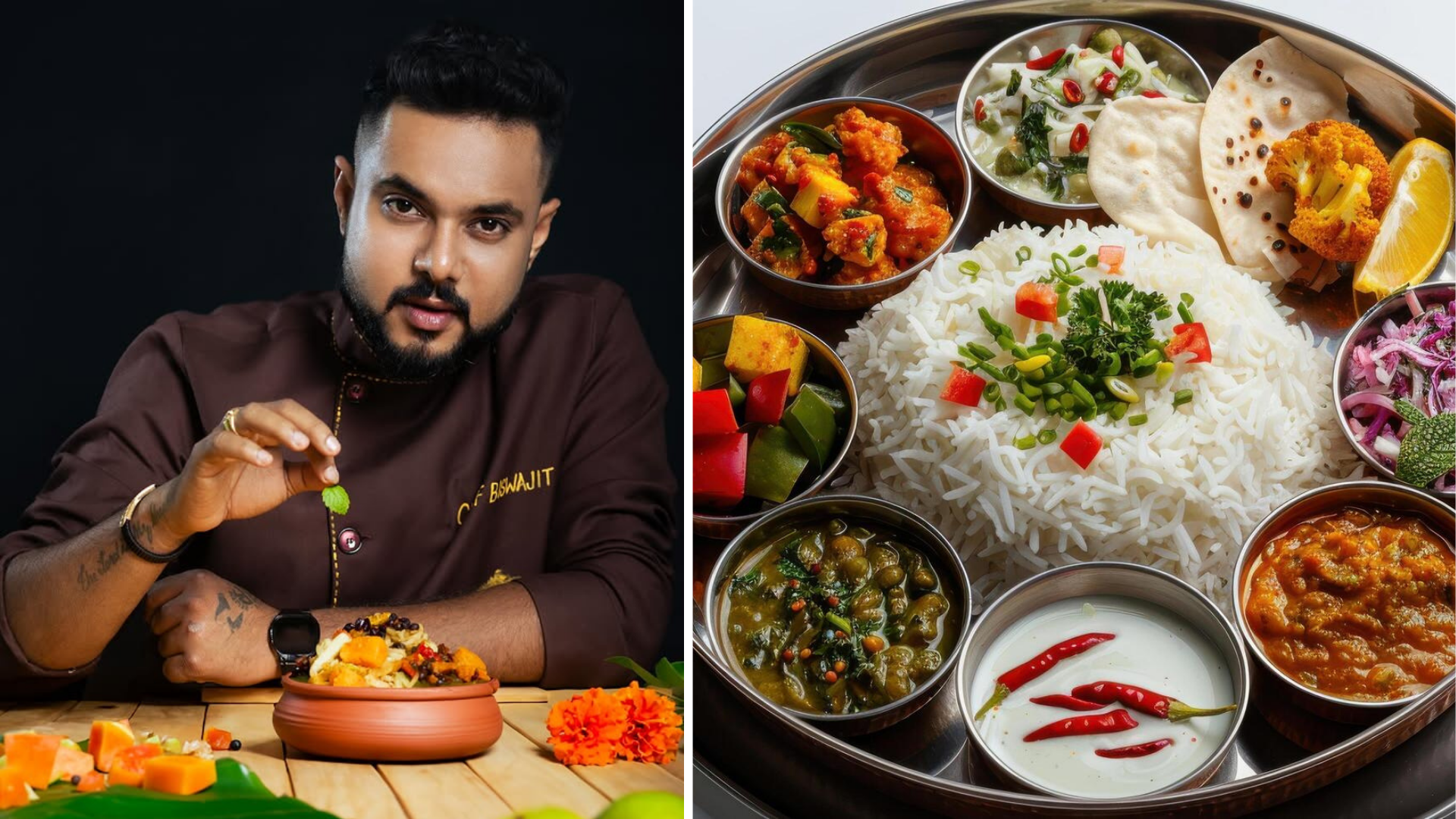
Pakhala Bhata stands as a testament to the simplicity and wisdom of Odisha's local food traditions
As with almost every part of India, Odisha, a coastal state nestled along the Bay of Bengal on the eastern coast, boasts a culinary tradition as ancient as the land itself. Its food culture is rich in history, yet astonishingly underappreciated, not only globally but also within India. The state’s cuisine is deeply influenced by its geography, history, and agricultural richness. Surrounded by rivers and the Bay of Bengal, Odisha enjoys abundant resources of fresh fish, rice and vegetables.
In contrast to the more widely recognised, spice-heavy dishes from other regions of India, Odisha’s food is light, healthy and wholesome. The flavours are delicate and subtle, and the meals are designed not just to fill the stomach but also to nurture the body. “I was recently in Mumbai for an Odia food festival at the Marriott, and it was an interesting experience. There were many guests from different parts of the world, Germany, Europe, the United States, Singapore, and they were curious about Odisha and Odia cuisine. It is understandable that foreigners might not know much about it, but what struck me was that even some Indians were confused about where Odisha is and whether Odia cuisine is the same as Bengali cuisine,” Chef Biswajit Moharathi, a reputed Odia chef, tells India & You.
“This is a clear indication that Odia cuisine is still incredibly underrated, even within India. It is frustrating to see that many people, especially those outside the eastern region, do not know much about Odisha’s food culture. It is time we recognise that Odia cuisine deserves to be celebrated for its own identity, rather than being confused with others. It is a culinary tradition with deep history, unique flavours, and nutritional benefits that should be appreciated both within India and internationally,” he adds.
Dishes like Pakhala Bhata and Dalma remain relatively obscure outside the state, overshadowed by the fame of North Indian curries, South Indian dosas and Bengali sweets.
Pakhala Bhata: The Heart of Odisha
Among the many delicious and nutritious dishes of Odisha, Pakhala Bhata stands as a testament to the simplicity and wisdom of local food traditions. A dish made from rice soaked in water and allowed to ferment overnight, Pakhala Bhata is both a nourishing meal and a remedy for the heat of the scorching Odia summers. Served with a variety of sides such as fried fish, chutneys, and yogurt, it offers a delightful combination of flavours and textures.
The true beauty of Pakhala lies in its fermentation. This natural process enhances the rice’s nutrients and adds a probiotic element to the dish, improving digestion and promoting gut health. It is known to be cooling, hydrating, and gentle on the stomach, making it ideal for hot climates.
In a state like Odisha, where temperatures can soar during the summer months, Pakhala Bhata is more than just a meal, it is an ancient practice for staying healthy and comfortable.
“Fermented rice, like Pakhala, is particularly effective for gut health, helping to alleviate acidity, constipation, and even heatstroke. Today, it is no longer seen as a humble dish, even Bollywood celebrities enjoy it for its scientific benefits, including its probiotic properties and positive impact on gut health,” says Moharathi.
Beyond its health benefits, Pakhala Bhata holds significant cultural and spiritual value in Odisha, particularly in the sacred town of Puri. At the famous Jagannath Temple, Pakhala Bhata is offered as prasad (sacred offering) to Lord Jagannath. This dish is an integral part of the temple’s food offerings, known as Mahaprasad, which is prepared and served to devotees. Every year on March 20, Pakhala Dibasa is a day to celebrate the traditional cuisine of Odisha.
“Pakhala Bhata has been a part of our roots for centuries, although it was once considered ‘food for the poor.’ However, its true value is now widely recognised, especially for its health benefits. Traditionally, rice was soaked overnight and consumed the next day, allowing it to ferment. This process not only aids digestion by providing beneficial probiotics but also helps keep the body hydrated, which is essential in Odisha’s hot, tropical climate, where temperatures can reach 50°C,” he adds.
Pakhala Bhata is a versatile dish with multiple variations, each offering a unique way to enjoy it. Moharathi highlights diverse variations of Pakhala, some of which include Soja Pakhala, where freshly boiled rice is washed and served with room temperature water. This version is quicker and does not undergo fermentation. Another common variation is Basi Pakhala, where the rice is soaked overnight until the water begins to bubble. This fermented rice is often consumed as a cooling drink, especially in the hot climate of Odisha.
In addition to these, there are several other regional variations of Pakhala that include different sides and flavourings. For example, some versions are served with yogurt for added creaminess and tang. Others feature grated ginger, cumin, or even sohi, a kind of local lemon juice, for a fresh, zesty twist. Some variations also include jaggery, grated coconut, and seasonal fruits, adding sweetness and texture to the dish.
Pakhala can also be enjoyed as a dessert, such as in Mitha Pakhala, where it is served with jaggery, grated coconut, and fruits, giving it a sweet,festive feel. Additionally, certain versions of Pakhala incorporate flavours from jasmine flowers or even hibiscus, which are known for their refreshing properties and are often used in teas.
Across different regions of Odisha, these variations reflect the local preferences and available ingredients, with each version offering a distinct experience. However, the most popular and widely enjoyed variation remains Basi Pakhala which has been a staple in Odia cuisine for centuries.
Odisha’s Culinary Wealth
Some other notable dishes from Odisha include Dalma, a comforting stew made from lentils and vegetables, flavoured with ginger, garlic, and a medley of spices. The dish is traditionally served with rice, forming a wholesome, balanced meal that has sustained generations of Odias.
Seafood lovers also have much to explore in Odisha. The state’s proximity to the Bay of Bengal means that fish is a vital part of its culinary culture. Dishes like Macha Tarkari or fish curry, and Chhena Jhili that is mainly fried fish cakes, showcase the fresh catch of the day, cooked with mustard oil, garlic, and spices, delivering bold, comforting flavours.
Odia cuisine is beginning to gain attention, thanks to its wholesome, nutritious, and sustainable offerings. While Indian celebrities and chefs like television comedian Bharti Singh and Chef Vikas have started promoting it on television and social media, there is still much work to be done to give it the recognition it deserves.
Chefs like Biswajit are also playing a key role in bringing Odisha’s culinary heritage to new audiences, both within India and internationally. “After closing my restaurant in 2024, I have been focusing on workshops and pop-ups across cities like Delhi, Kolkata, and Mumbai, with plans for Hyderabad and Bangalore. These events showcase authentic Odia cuisine, though the menu often blends traditional flavours with modern twists to cater to diverse tastes,” says Moharathi.
“I am also working on a book that highlights Odisha’s lost recipes, further preserving and promoting this rich culinary tradition,” he adds.
