
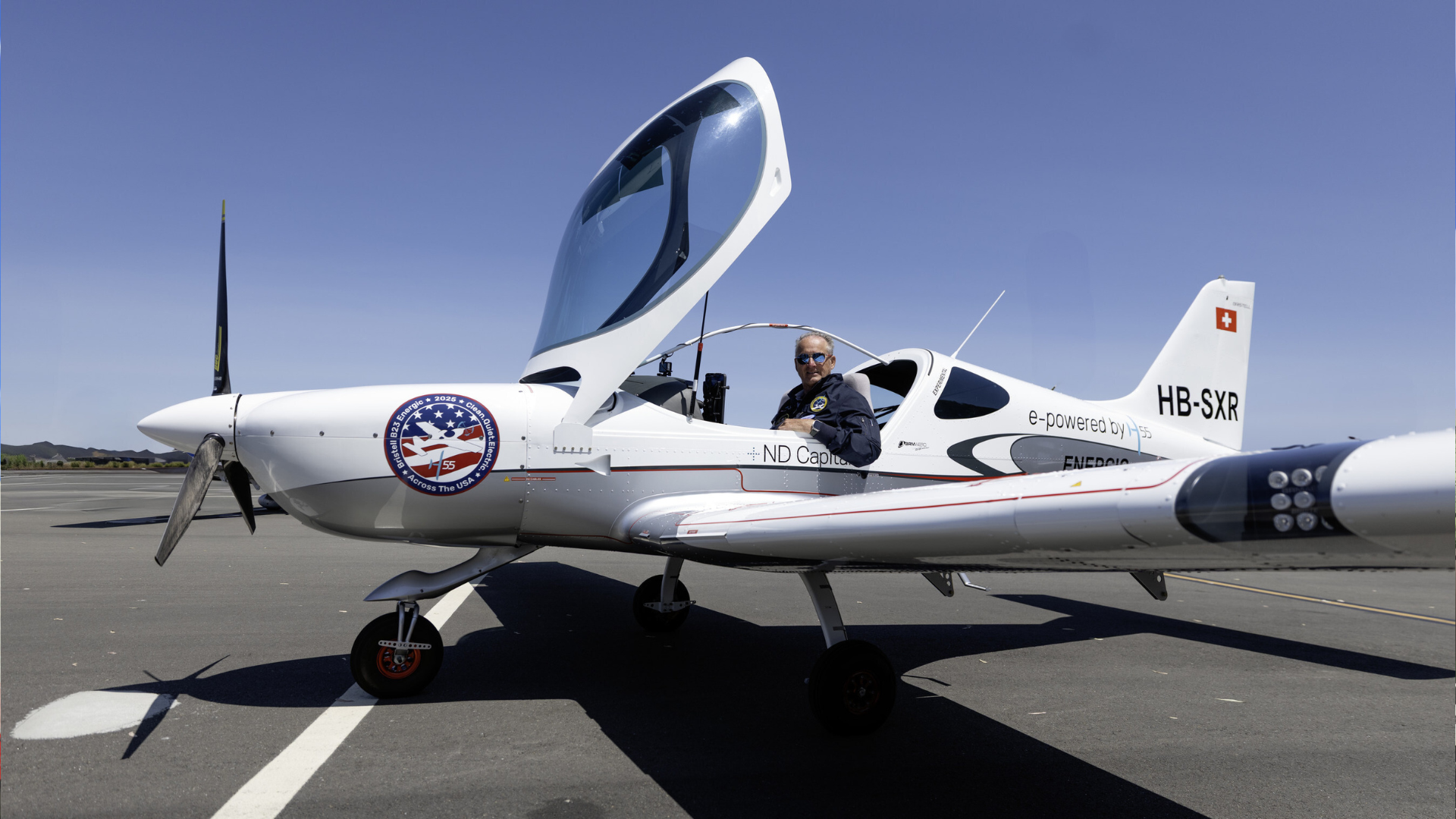
H55's Bristell B23 Energic aircraft completed more than 50 demonstration flights
H55, a Swiss electric aviation pioneer born from the Solar Impulse programme, has marked a major milestone in the commercial adoption of electric aircraft.
In a press statement, H55 says that during a recent campaign at Palo Alto Airport (KPAO), the company’s Bristell B23 Energic aircraft completed more than 50 demonstration flights, with up to eight sorties per day and converted multiple on-site visits into binding purchase agreements.
The statement adds that the surge in demand has already filled H55’s production planning for the first two years, signalling a robust appetite for electric flight training in the United States.
H55 says that the Palo Alto stopover highlighted two standout advantages of the B23 Energic. First, its negligible energy costs and minimal maintenance requirements significantly reduce operating expenses for flight schools and aero-clubs. Second, pilots consistently praised the aircraft’s smooth, vibration-free flight characteristics, which deliver a superior training experience compared to traditional piston-engine trainers.
It adds that these real-world benefits quickly turned casual curiosity into signed orders, demonstrating that the US market is ready for electric flight training today.
“Flying Solar Impulse around the world proved that electric propulsion could conquer the skies; the B23 Energic proves it can conquer the business case. We are now at an important turning point in our growth as we start to generate product revenue on top of engineering revenue. Our battery pack qualifications will be completed this summer, full aircraft certification will follow shortly thereafter, and our order book is filling fast. Our Across America programme is showing a clear message: electric aviation has moved from the future to the present tense,” says André Borschberg, Executive Chairman & Co-Founder, H55.
According to the statement, for training operators, the B23 Energic offers more than just cost savings. It replaces fuel burn, engine overhauls and noise complaints with overnight charging, minimal scheduled maintenance and near-silent circuits.
Additionally, with an 80-minute endurance at the end of battery life and negligible energy consumption during ground operations, the aircraft matches the block times of legacy trainers while enabling additional daily sorties at noise-sensitive airports.
