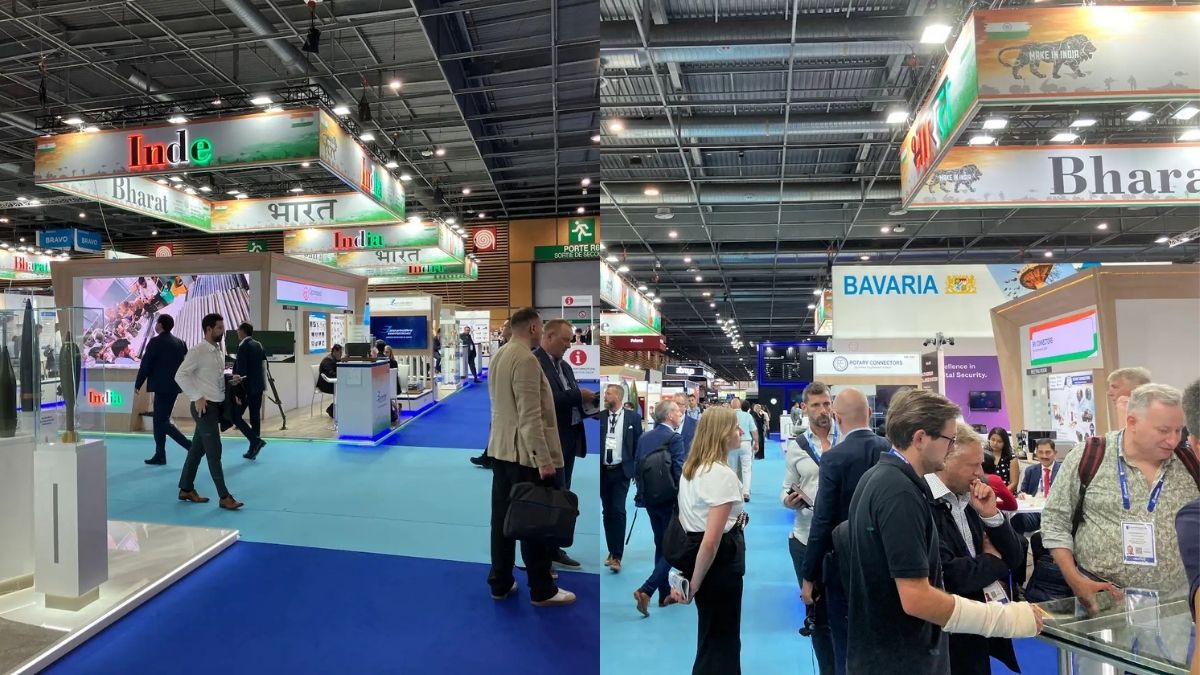
India showcases its growing defence manufacturing and technological capabilities at Eurosatory 2026 (Photos: Media India Group)
What are the highlights of Eurosatory 2026?
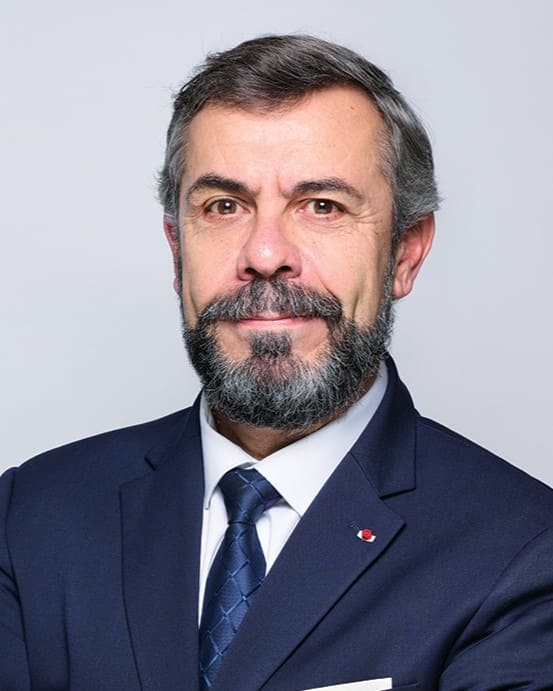
Charles Beaudouin
Eurosatory 2026 is very different from the previous editions due to the fact that there is a possibility of conflict between Europe and Russia within three years. So, the gap is enormous in order to be prepared for that.
We have to complete our ammunition and spare stocks while also developing new capabilities to strike at long range and to strengthen drones and counter-drone systems.
We are also observing the militarisation of deep tech. In Ukraine, at every level of command, from the Chief of Staff to soldiers, Artificial Intelligence is now being used.
We are facing battlefield disorder, GPS-denied environments and cyberattacks. Armies need to react very quickly and Artificial Intelligence has become a key factor for success. So, at Eurosatory, we will present many Artificial Intelligence (AI)-driven solutions alongside tanks, artillery and conventional systems.
How big is Eurosatory this year in terms of exhibitors?
We have more than 2,200 exhibitors from 65 countries and around 42 national pavillions. We are also opening a new hall with an additional space of 20,000 sqm, which is already fully booked. The exhibition now covers around 200,000 square metres, making it the largest defence exhibition in the world. Participation this year has increased by about 25 pc as compared to Eurosatory 2024.
Also Read: With over 2,000 exhibitors, Eurosatory 2026 fully booked
What is the global participation mix between Europe and other parts of the world?
The main participation comes from Europe and North Atlantic Treaty Organisation (NATO) countries, but leading companies from Asia are also strongly present because they have advanced equipment and there is a lot to learn from them.
We want Eurosatory to become a truly global platform, not just international. All countries with defence manufacturing capabilities are welcome, both as exhibitors and official delegations.
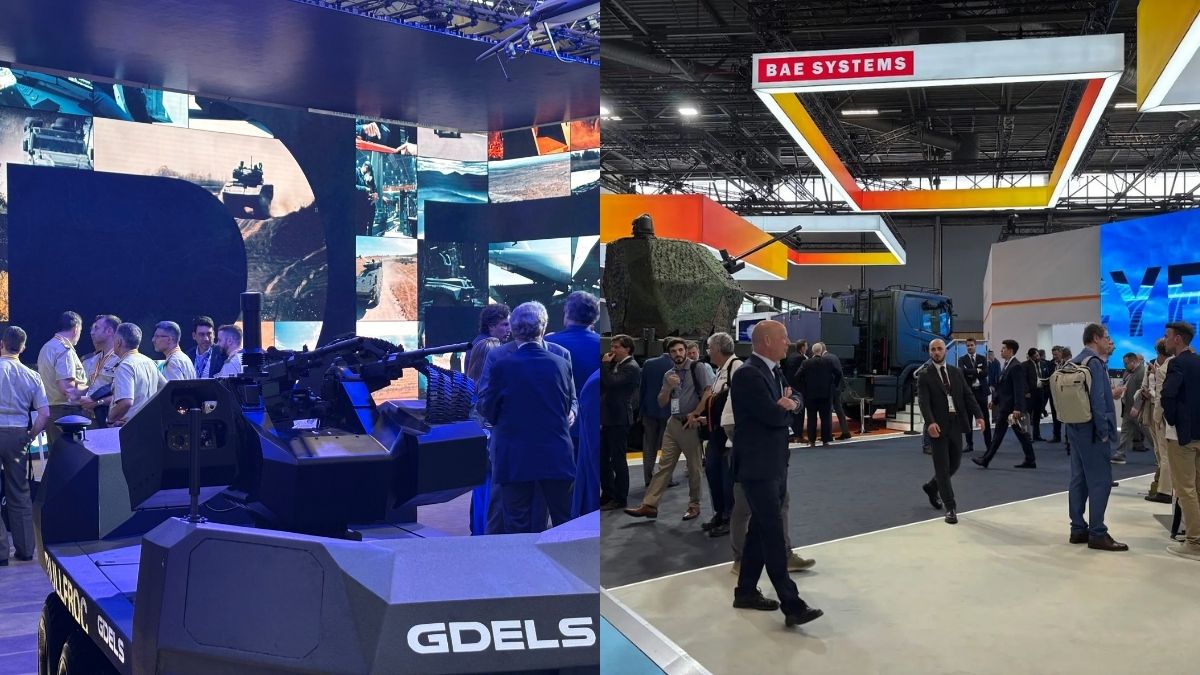
GDELS and BAE Systems showcase advanced defence platforms and technologies
What opportunities should Indian participants look to capitalise on at Eurosatory 2026?
India has always participated with a strong pavillion and we are very proud of this presence. India is now among the 12 major exhibiting nations at Eurosatory. It is not only coming as a buyer but also as a seller with strong manufacturing capabilities.
India has long-range rocket systems and advanced defence equipment, and European forces are closely observing some of these systems for potential procurement. In several areas, India can supply equipment that Europe currently needs but does not produce in sufficient quantity. Ammunition, in particular, is a major strength of India, along with modern weapon systems and system-of-systems capabilities.
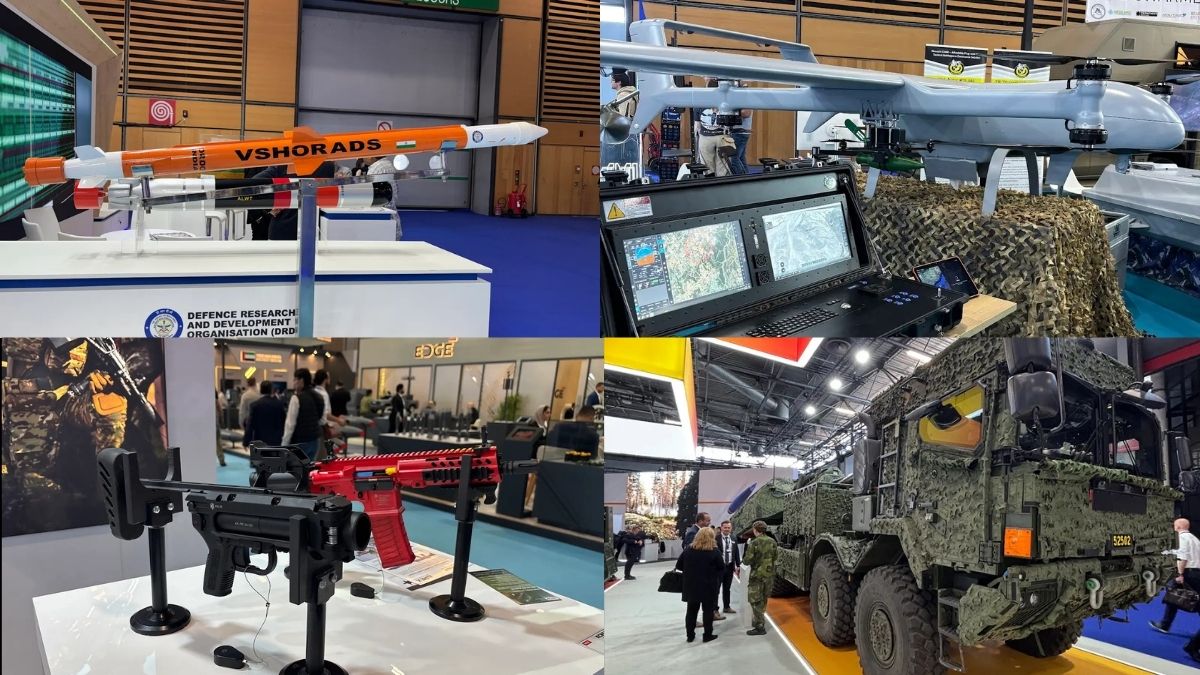
Advanced missiles, drones, small arms and armoured vehicles on display as defence manufacturers showcase next-generation military capabilities
Also Read: Daher highlights growing role in Rafale fighter aircraft programme at Eurosatory 2026
Is India only a buyer or a seller also in global defence markets?
Yes, exactly. India is present as a seller with many exhibitors. India is among the top exhibiting nations and Europe has many lessons to learn from India as well.
As countries prepare for possible conflicts, they need rapid access to equipment. If they do not have the capacity, they will increasingly look at India as a supplier. At Eurosatory 2026, we expect many countries to engage with Indian manufacturers, especially in ammunition and advanced systems.
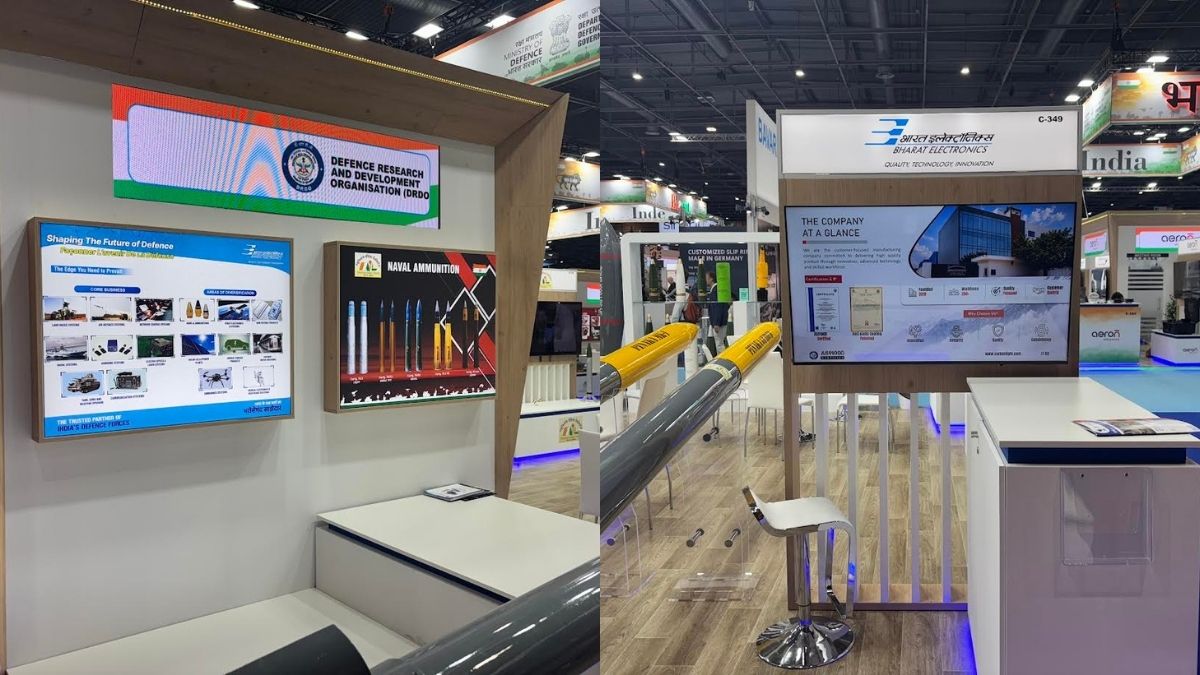
DRDO and BEL dominate India Pavillion with homegrown defence innovations and advanced military capabilities
How can Indian Small and Medium Enterprises (SMEs) participate more effectively at Eurosatory?
There is a dedicated Indian pavillion and we are offering structured space for India. Even smaller companies can participate with limited space at affordable cost. The pavillion structure is designed to ensure that SMEs from India can access the global defence market without heavy financial burden.
To what extent has geopolitical tension impacted participation from certain regions?
The United States-Iran conflict has affected participation from some parts of the region. But the main challenge is logistics, especially transporting defence systems to Europe. Some countries may also reassess participation depending on the geopolitical environment.
However, most major nations continue to participate because they are seeking solutions for their own defence needs and they know they will find them at Eurosatory.