
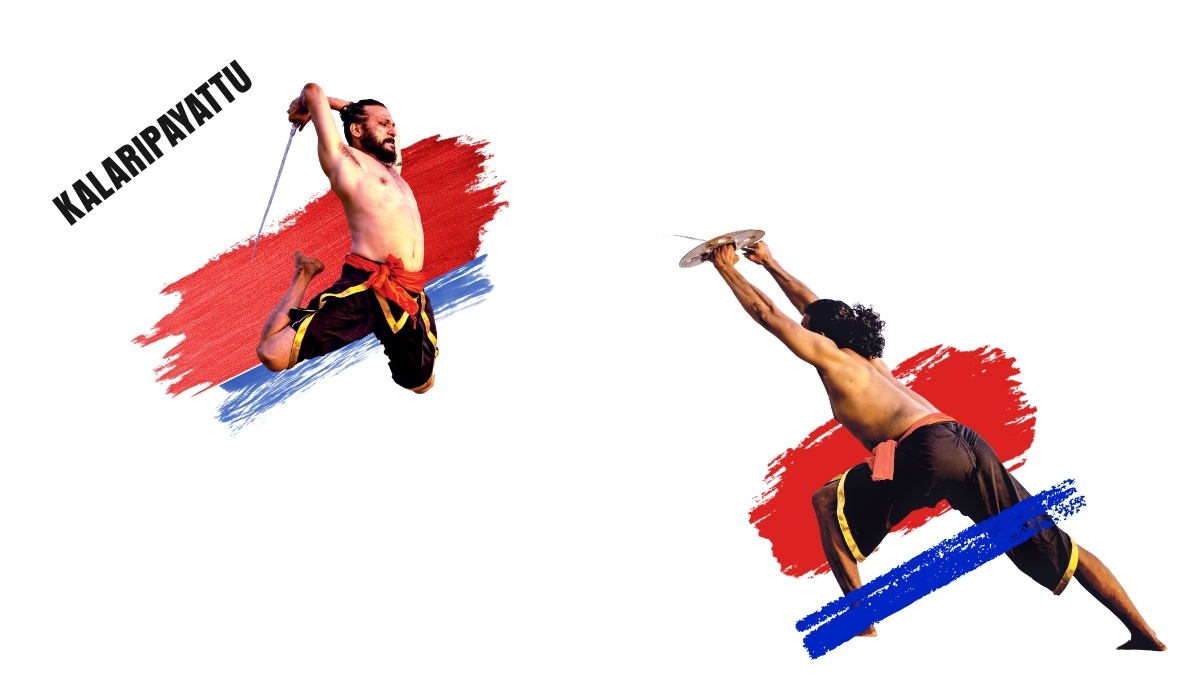
The ancient martial art of Kalaripayattu has become a prominent feature in today's era
Known as the ‘mother of all martial arts’, Kalaripayattu is an ancient Indian martial art style that has its roots in Kerala in southwestern India. This age-old practice, which also finds place in Indian mythology and philosophy, is both a physical discipline and a spiritual journey.
Kalaripayattu is a respected and enduring tradition because of its centuries-old history and significant influence on Indian culture. Both unarmed combat and the use of different weapons are included in the art form. Sticks, daggers, knives, spears, swords, shields and the special flexible sword known as the urumi are among the weapons that practitioners learn to use in combat. In addition to its use in martial arts, Kalaripayattu has strong ties to Ayurveda, the conventional Indian medical system.
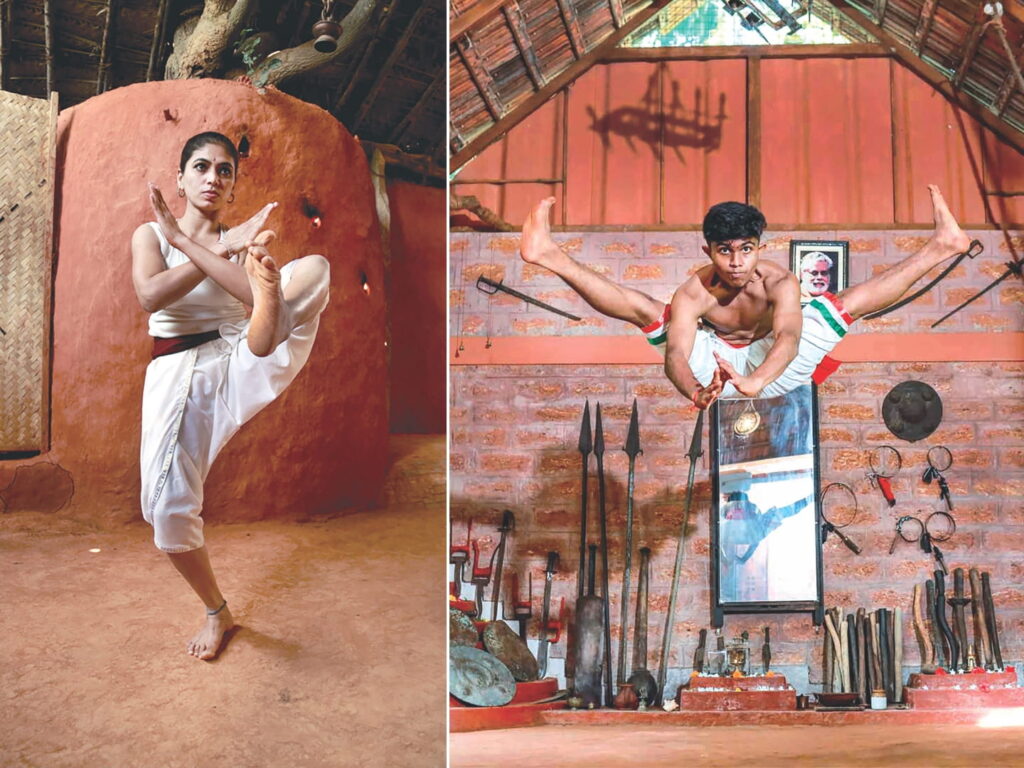
Kalaripayattu blends physical agility, weapon mastery and spiritual discipline, preserving a centuries-old tradition that continues to inspire practitioners across generations
Many kalari masters are adept at using herbal remedies and massage techniques to treat injuries and keep their students healthy.
“The name Kalaripayattu is derived from the Sanskrit word ‘Khalurika’, meaning ‘battlefield’, ‘threshing floor’, or ‘military training ground’. This ancient art form is deeply rooted in the culture and traditions of Kerala,” K F Thomas Gurukkal, Director, Kadathandan Kalari Foundation, a leading yoga and Kalaripayattu institution in Kerala, tells India & You.
Also Read: Thenmala: Kerala’s first planned eco-tourism village
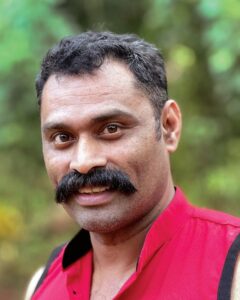
K F Thomas Gurukkal
Kalaripayattu’s popularity peaked between the 14th and 16th centuries, but historians place its origins between 200 BCE and 600 CE. During the 100-year conflict between the Cholas, Cheras and Pandyas, three powerful kingdoms in southern India in the 11th century, it played a pivotal role in developing a warrior culture in Kerala. This martial art is said to have been brought to Kerala by Lord Parasurama, the sixth incarnation of Lord Vishnu, a Hindu deity, who reclaimed the region from the Arabian Sea.
“The earliest documented evidence of Kalaripayattu can be traced back to palm leaf manuscripts from around 200 BCE, which depict drawings of fighters. However, it is widely believed that the origins of Kalaripayattu date back to several centuries earlier. The Dhanurveda, an ancient Indian text on military science, mentions Kalaripayattu as one of the 64 art forms in Indian mythology, further emphasising its historical and cultural significance. According to legend, Kalaripayattu is as old as Kerala itself. The story goes that Lord Vishnu, in his incarnation as Parasurama, created Kerala after a great battle. Parasurama, victorious in the battle, threw his mighty axe into the sea, and from the spot where it landed, a lush and fertile land arose. This land was named Kerala. To protect the inhabitants of this new land, Parasurama is said to have taught them the divine and noble art of Kalaripayattu,” says Gurukkal.
Styles and practices of the art form
Due to the influence of these historical origins, Kalaripayattu has evolved into a variety of distinct styles. The diverse regional manifestations of the art form reflect its rich heritage. The Vadakkan (Northern) and Thekkan (Southern) styles are the two main ways that Kalaripayattu is practiced. While the Thekkan style is more focused on physical exercises and meditation, the Vadakkan style, which is popular in the Malabar region, emphasises elegant body movements and weapons.
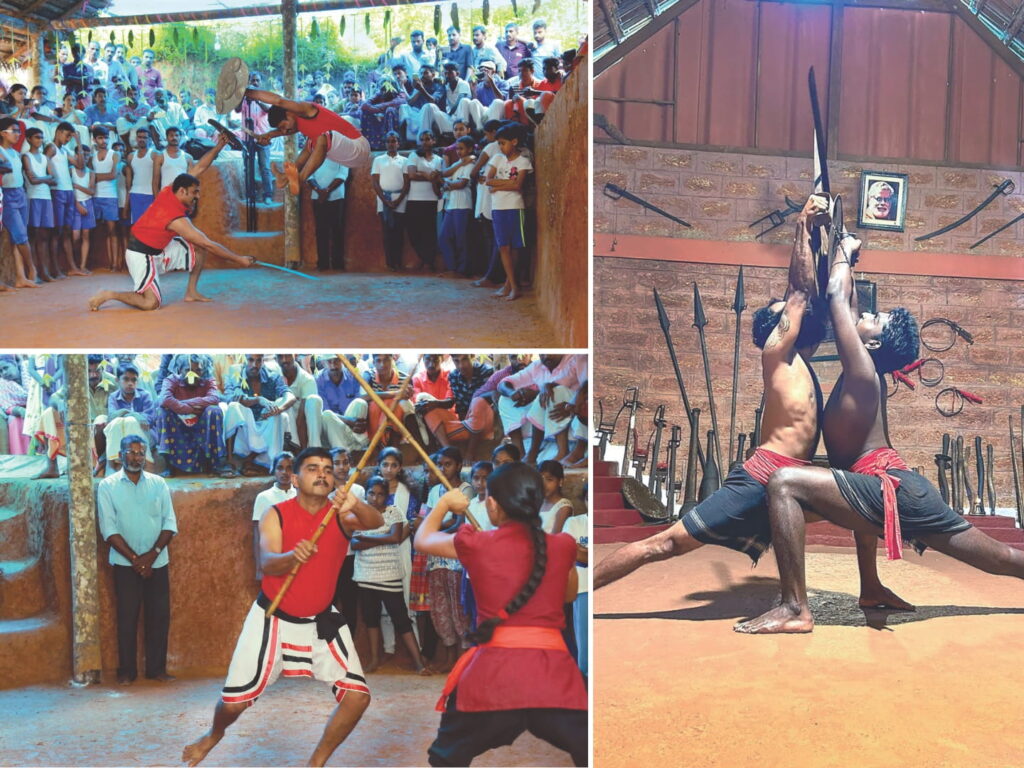
Students perform traditional Kalaripayattu routines, highlighting the precision, strength and discipline
“Since the 11th century, Kalaripayattu training had been mandatory in Kerala, forging warriors for battle. During the Chola-Chera Wars, mastery of this ancient martial art was a badge of honour, a symbol of strength, and a key to survival,” says Gurukkal.
Besides being a martial art, Kalaripayattu is also a cultural icon of Kerala. It has staged a comeback in popularity despite setbacks during the colonial era, when it was outlawed out of fear of training the freedom fighters. With numerous training facilities in India and overseas, it is practiced in many nations. Kerala, Tamil Nadu and Karnataka in India are actively promoting this art form through martial arts training programmes and cultural events.
Also Read: The Indian martial art of Kalaripayattu
“Kalaripayattu is not just a martial art, it is a way of life that emphasises discipline respect, and the unity of body and mind. The benefits of practicing Kalaripayattu include discipline, respect for the guru, regularity of practice, unity of body and mind, patience and listening, respect for tradition and preserving the rich cultural heritage of Kerala,” Gurukkal adds.
In Kerala’s martial history, Thacholi Othenan is a legendary warrior who personifies the courage and power of Kalaripayattu. He was well known for having mastered the art early in life and for having defeated many opponents. The Vadakkan Pattukal ballads, which showcase his chivalry and fighting skills, honour his valiant spirit and establish him as a significant figure in Keralan history.
Cinematic representation of Kalaripayattu
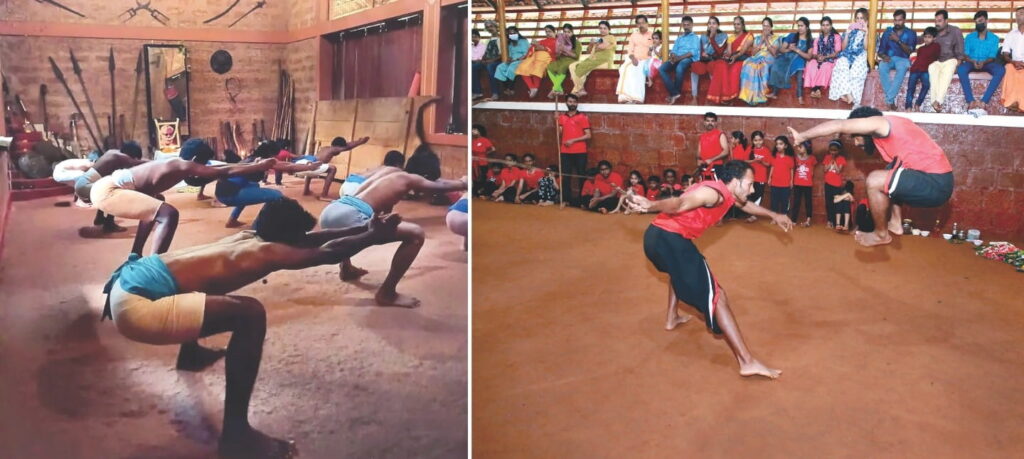
Foundational Kalaripayattu training combines endurance, flexibility and coordinated movement to prepare students for combat techniques
From the battlefields, Kalaripayattu has also made its way to the big screens and has been featured in numerous films, notably in Kerala. In addition to improving action scenes, the martial art form’s incorporation into movies has helped it gain popularity among young people.
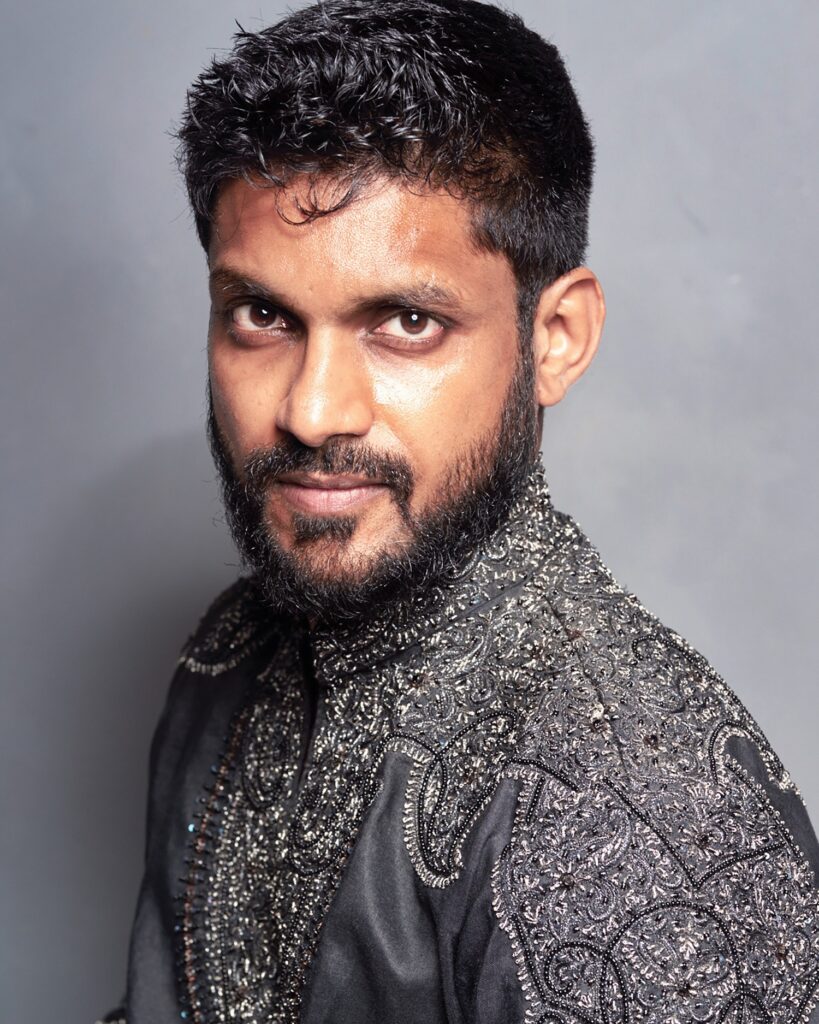
Hariprasad Shaji Bonsalay
“The way Kalaripayattu is portrayed in Indian films can vary greatly; in some cases, it is portrayed in a more exaggerated way, much like in South Indian films, especially those in Tamil and Telugu, where techniques like Noakumarmam and Chundumarmam are frequently exaggerated for dramatic effect, and you frequently see the hero doing impossible things like kicking people and sending them flying or even catching bullets after they have been fired or running away from them. This is very different from the realistic portrayal of Kalaripayattu, which stresses discipline, balance and harmony between the body and the mind,” Hariprasad Shaji Bonsalay, owner, Payattukalari, a Kalaripayattu training centre in Kerala, tells India & You.
Many films in a variety of languages, including Malayalam, Tamil, Hindi and English, have included Kalaripayattu. The art form’s acrobatic movements and weapon techniques have been featured in films such as Indian (1996), Asoka (2001), Urumi (2011), 7aum Arivu (2011) and Baaghi (2016), frequently in highly stylised scenes.
Gurukkal says that the mystical themes of Kalaripayattu, including its spiritual essence, the profound guru-disciple relationship, the unique characteristics of its weapons and their historical significance, have not been adequately explored or utilised in films. This can also help raise awareness about India’s rich martial arts heritage.
“Films such as Oru Vadakkan Veeragatha (1989), Thacholi Othenan (1964), Kadathanadan Ambadi (1990) and Mamangam (2019) are based on stories rooted in the rich tradition of Kalaripayattu. I believe that traditional weapons, war tactics and the ethics of weapons training can be effectively introduced to society through cinema,” Gurukkal adds.
Also Read:Theyyam: Kerala’s human-deities come alive
Action scenes have been improved by the incorporation of Kalaripayattu into films, which offers a distinctive fusion of dance and martial arts. The art form looks good on screen because it emphasises balance, flexibility and coordination. This has encouraged filmmakers to steer clear of cliched fight scenes and instead use more realistic martial arts techniques in their choreography.
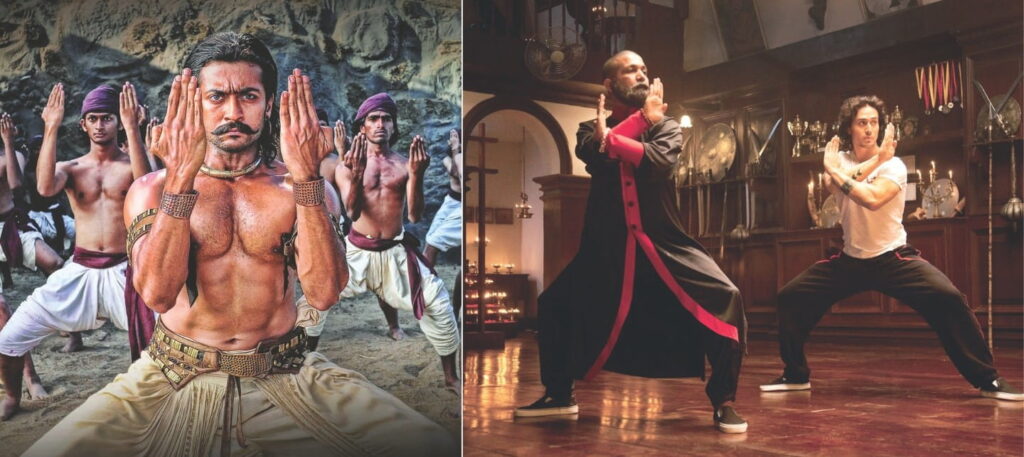
The art has shaped action choreography in Indian cinema with its graceful combat techniques
“Kalaripayattu was not just used for wars between countries. It was also used to settle small disputes. For instance, if two people had a dispute over a land, they would hire two Kalari warriors to fight on their behalf in a public area. The winner would represent the victor in the dispute, and the loser would forfeit its claim,” says Bonsalay.
Its popularity and cultural renaissance have been aided by films that feature Kalaripayattu. The youth in Tamil Nadu showed a great deal of interest in learning the martial art in 2011 after the release of 7aum Arivu. With regular camps and training sessions, Kalaripayattu is currently practiced in more than 20 Indian states.
“Both of these aspects are achievable in modern films. As a form of entertainment, various elements of Kalaripayattu can be effectively utilised in conflict scenes. In films set in historical contexts, the social significance, moral values and cultural awareness associated with Kalaripayattu can be thoughtfully incorporated to create a deeper impact,” says Gurukkal.
By fusing spiritual depth with physical discipline, Kalaripayattu epitomizes India’s rich cultural legacy. It continues to be a source of national pride and an essential part of Kerala’s identity as a global inspiration.
