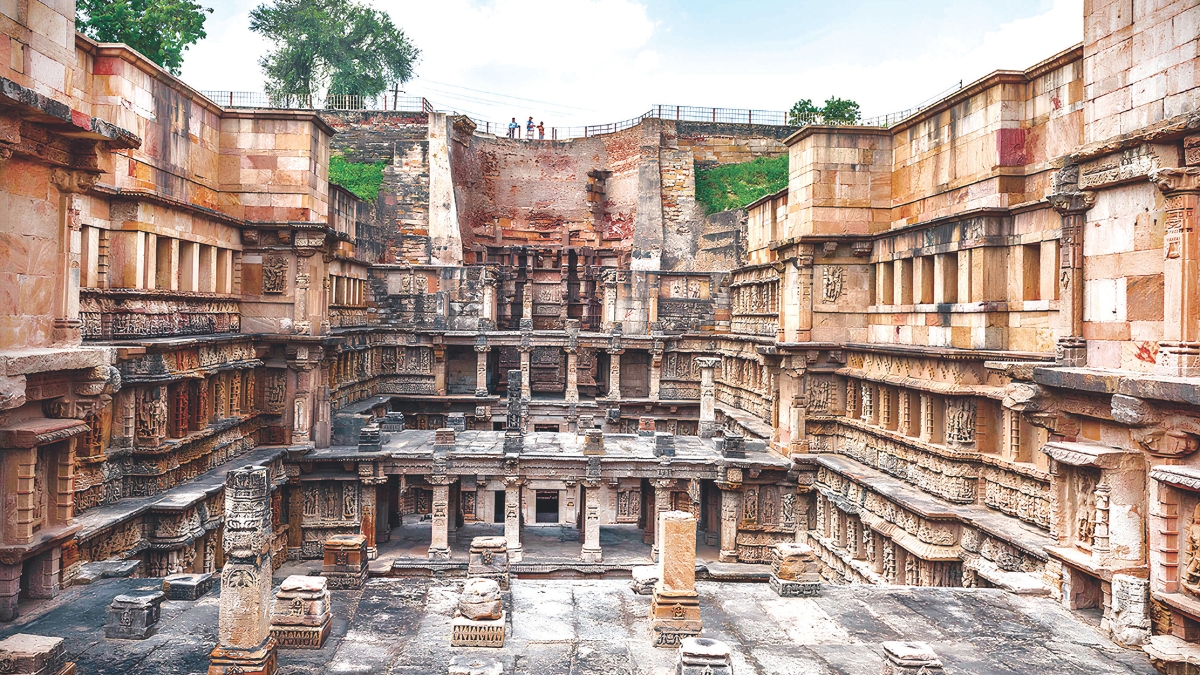
Rani Ki Vav features over 800 sculptures with ancient mythological themes (Photo Gujarat Tourism)
Amid India’s rich cultural landscape, a sense of wonder, history and serenity emerges from hidden gems sites that carry timeless stories and beauty. From natural landscapes to ancient architectural marvels, these relatively unexplored treasures offer a deep connection to the past. Among India’s 40 UNESCO World Heritage Sites, these lesser-known wonders beckon travellers seeking an authentic experience.
Among these hidden gems are remarkable sites that tell stories of India’s diverse heritage. Ancient stepwells descend into the earth with intricate carvings, while prehistoric rock shelters display humanity’s earliest artistic expressions. Verdant wildlife sanctuaries teem with rare species and long-forgotten cities reveal architectural brilliance, each site offering a journey into India’s rich past.
Here is a deeper dive into some of these lesser-known sites.
Rani Ki Vav, Gujarat
Rani Ki Vav, or the Queen’s Stepwell, located in Patan, about 125 km from Ahmedabad, is a stunning architectural marvel that beautifully illustrates the fusion of utility and artistry in ancient Indian architecture. Built in the 11th century during the reign of the Solanki dynasty, this stepwell was commissioned by Queen Udayamati in memory of her husband, King Bhimdev I. It was inscribed as a UNESCO World Heritage Site in 2014, recognising its historical significance and exquisite craftsmanship.
Also Read: Maharashtra tops with most UNESCO World Heritage Sites
As you approach Rani Ki Vav, the first thing that captures your attention is the grandeur of its entrance, adorned with intricately carved pillars and decorative motifs. The stepwell descends more than seven levels underground, where you are greeted by a series of ornate sculptures that depict various deities and celestial beings. This grand structure served not only as a water reservoir but also as a place for social gatherings, religious ceremonies and respite from the heat.
One of the lesser-known aspects of Rani Ki Vav is its unique design as an inverted temple. Unlike traditional temples that guide visitors upward toward the heavens, Rani Ki Vav invites exploration downward, symbolising the idea of purity where water represents the essence of life and the divine. For centuries, this stepwell remained hidden beneath layers of silt, filled and forgotten since the 13th century. It wasn’t until the 1980s that extensive excavations revealed this hidden treasure, uncovering its intricate carvings and architectural brilliance.
The stepwell is adorned with over 800 sculptures, many featuring mythological themes that resonate with the stories of ancient India. Among these intricate carvings are depictions of the Ashta Dikpalas, the eight guardians of directions, as well as scenes from the epics Ramayana and Mahabharata. The sheer detail in each sculpture tells stories of devotion, valour and the daily lives of the people from
centuries past.
Beyond its aesthetic appeal, Rani Ki Vav is a marvel of ancient engineering, designed to harness monsoon rains and store water efficiently through a series of compartments and channels. It has also served as a gathering point where villagers would come not only to collect water but also to engage in social and cultural interactions.
Rani Ki Vav is more than just a stepwell. As you explore this hidden jewel, you are not only witnessing a magnificent structure but also stepping into a narrative that connects you with the people and traditions of a bygone era.
Rock Shelters of Bhimbetka, Madhya Pradesh
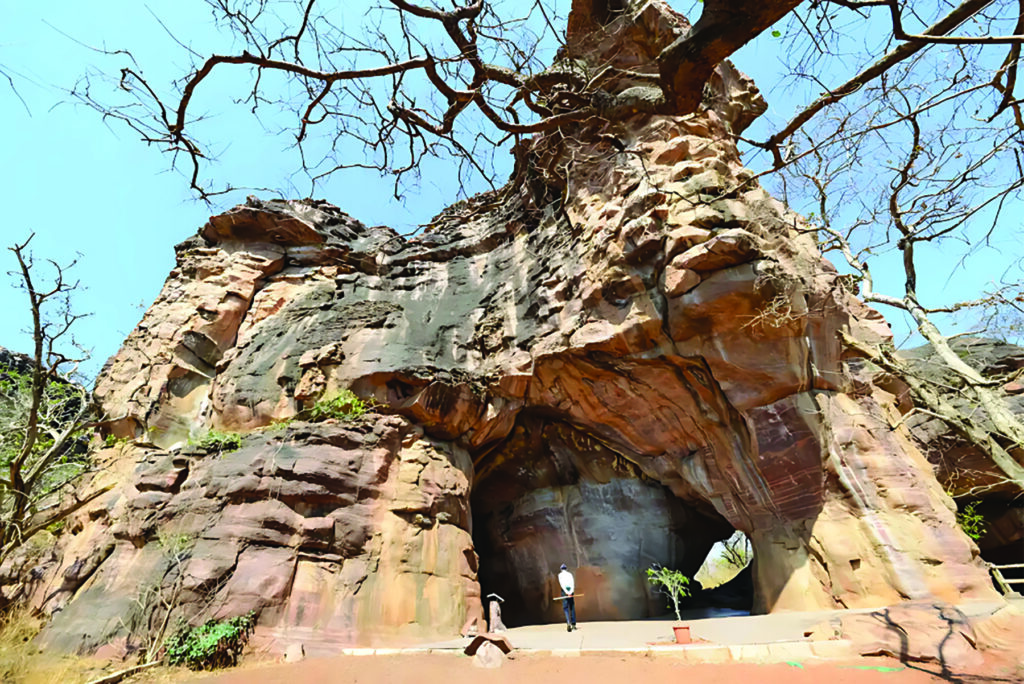
Rock Shelters of Bhimbetka showcase 30,000-year-old rock paintings (Photo: MP Tourism)
Rock Shelter of Bhimbetka located in the Raisen district of Madhya Pradesh, about 45 km south of capital Bhopal, offer a fascinating glimpse into the prehistoric world, showcasing some of the earliest expressions of human creativity. This site, a UNESCO World Heritage Site since 2003, consists of more than 700 rock shelters adorned with vibrant rock paintings that date back over 30,000 years. These paintings provide invaluable insights into the lives, beliefs and environments of our early ancestors.
As you approach Bhimbetka, the rugged terrain gives way to stunning limestone rock formations, creating a natural gallery of art that beckons exploration. The rock shelters, carved by nature and human hands alike, are adorned with intricate paintings depicting scenes of daily life, hunting, dancing and rituals. The colours, achieved with natural pigments, have withstood the test of time, showcasing the artistic talent of the prehistoric people who once lived in this area.
Also Read: Maratha Military landscape added to UNESCO World Heritage Site List
What sets Bhimbetka apart is not just the artistry but the stories embedded in each stroke. For instance, some paintings depict bisons and elephants, illustrating the fauna that once roamed the region, while others show human figures engaged in various activities, hinting at the social dynamics of early communities. Interestingly, the site reveals layers of habitation, indicating that it was used by different cultures over thousands of years, each leaving their mark on the rocks.
One of the lesser-known facts about Bhimbetka is its connection to the Mahabharata. According to some research the name Bhimbetka is derived from Bhima, one of the Pandava brothers, who is said to have used the caves as a shelter during their exile, adding a layer of mythological intrigue to this archaeological treasure. Additionally, Bhimbetka holds significant importance as it showcases the transition from the nomadic lifestyle of hunter-gatherers to settled communities, marking a crucial point in human evolution.
Basilica of Bom Jesus, Goa
Pattadakal Temples blend North and South Indian architecture (Photo: Karnataka Tourism)
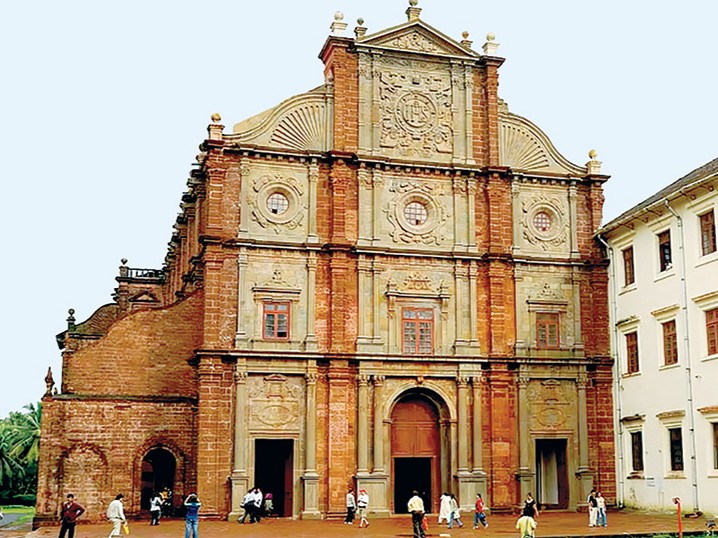
The Basilica of Bom Jesus, located in Old Goa, stands as a symbol of the rich spiritual and cultural of Portuguese India. Declared a UNESCO World Heritage Site in 1986, this 16th century church is famed for housing the mortal remains of St Francis Xavier, a revered missionary who played a pivotal role in spreading Christianity in Asia. The church’s Baroque architecture, with its ornate gilded altars, intricate wooden carvings, and grand pillars, leaves visitors in awe. Walking through its doors feels like stepping into history, where each stone speaks of the Portuguese influence on Goan culture and spirituality.
What sets the Basilica apart is not just its historical significance but the deep sense of spirituality that permeates the air. Every 10 years, an exposition of St Francis Xavier’s remains draws thousands of pilgrims from across the world. One lesser-known tale surrounding the saint’s remains is that despite centuries, they have remained remarkably intact a phenomenon many consider miraculous.
Also Read: Bhubaneswar: A harmonious blend of heritage, spirituality, and modernity
Another intriguing story is how the Basilica withstood natural calamities over time, while other churches in Old Goa succumbed to ruin. The Basilica’s modest façade contrasts sharply with its richly decorated interiors. The altar of St Francis Xavier is particularly stunning, with its ornate gold leaf work and statues that seem to come to life in the flickering candlelight. Beyond its religious importance, the church also symbolises the fusion of Indian and European art, making it a cultural treasure.
The Basilica of Bom Jesus is not merely a monument, it is a pilgrimage of faith, history and art. Visiting this sacred site feels like a journey through time, where you witness the eternal legacy of Goa’s colonial past and its deep spiritual roots.
Manas Wildlife Sanctuary, Assam

Manas Wildlife Sanctuary offers a refuge for endangered species (Photo: MIG)
That way you could imagine stepping into a lush, vibrant realm where the nature plays a melodious tune and every rustle of leaves hints at the wildlife hidden within. Manas Wildlife Sanctuary, located in the foothills of the Himalayas in Assam, is not just a sanctuary but also a UNESCO World Heritage Site recognised in 1985 for its exceptional biodiversity and unique ecosystems. This enchanting sanctuary is renowned for its rich flora and fauna, including many endangered species, making it a true haven for wildlife enthusiasts and nature lovers.
The history of Manas Wildlife Sanctuary dates back to 1928 as a reserve for the preservation of the Indian rhinoceros. However, it wasn’t until the late 20th century that it gained global recognition for its ecological significance. The sanctuary is home to several charismatic species, such as the Indian elephant, Bengal tiger and pygmy hog, along with a remarkable variety of birds, butterflies and aquatic life. Walking through its dense forests, one can sense the pulse of life all around, with the calls of birds and the distant trumpeting of elephants creating a captivating soundscape. The sight of herds of elephants roaming freely amidst tall grasses and dense forests is a beautiful experience that leaves an indelible mark on the soul.
The sanctuary harbours not only a variety of species but also various ecosystems, from grasslands and forests to rivers and wetlands, each supporting a distinct array of wildlife. Manas is also home to Bodo community, indigenous inhabitants who have lived harmoniously alongside nature for generations. Their traditional practices of sustainable living have fostered a deep connection with the land and its creatures. The Bodo people share a rich cultural heritage intertwined with the sanctuary, and their stories reflect the coexistence of humans and wildlife, emphasising the importance of conservation and respect for nature. Manas is also celebrated for its riverine grasslands, which are home to the Gaur, the Indian bison, and the rare swamp deer. These unique habitats play a crucial role in supporting the region’s biodiversity.
Manas Wildlife Sanctuary is also known for its successful conservation efforts, which have helped recover populations of species once on the brink of extinction. The sanctuary has seen a significant increase in the numbers of the Indian rhinoceros due to dedicated conservation initiatives and community involvement.
Pattadakal Temples
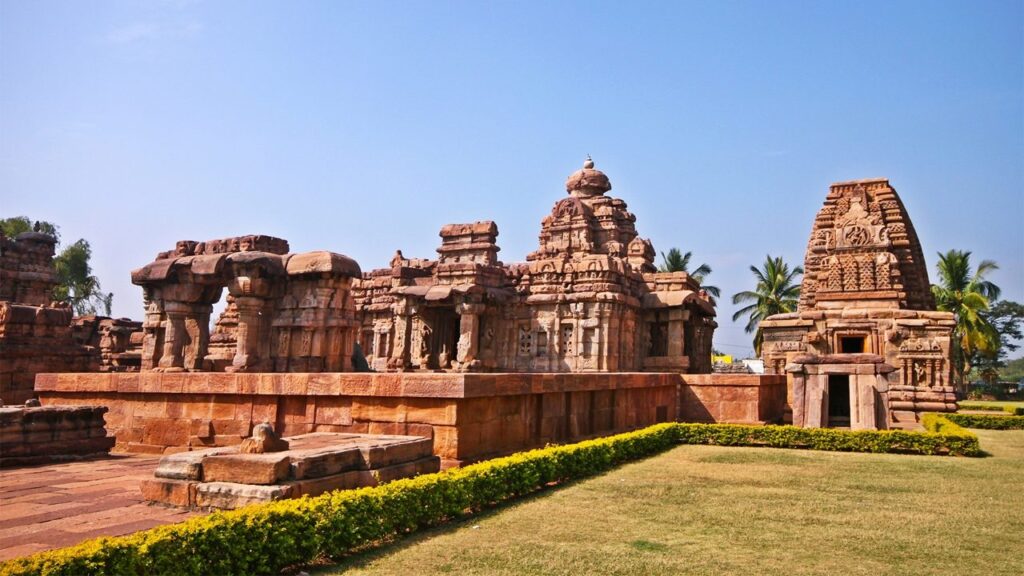
Pattadakal Temples blend North and South Indian architecture (Photo: Karnataka Tourism)
Pattadakal, nestled on the banks of the Malaprabha River in Karnataka, is a hidden architectural gem that transports visitors to the golden age of the Chalukya dynasty. Recognised as a UNESCO World Heritage Site in 1987, this site is a blend of north and south Indian temple architecture, reflecting the dynasty’s artistic and cultural zenith in the 7th and 8th centuries.
As you step into this sacred space, the intricate stone carvings tell stories from Indian epics like the Ramayana and Mahabharata, while the towering spires seem to reach for the heavens. One of the most striking temples, the Virupaksha Temple, was commissioned by Queen Lokamahadevi to celebrate her husband’s victory in battle. Its walls are adorned with detailed depictions of gods, celestial beings, and mythological creatures, each chiselled with such precision that they seem to come alive in the sunlight.
Also Read: UNESCO World Heritage tag sought for Salkhan Fossil Park
What makes Pattadakal especially captivating is its stories, tales of ancient sculptors who carved deities and scenes with such devotion that they believed the gods themselves would inhabit their work. Standing in the temple courtyards, you can almost hear the echoes of ancient hymns.
Pattadakal is more than just a group of temples it is a journey into India’s spiritual and architectural heart, where the echoes of ancient prayers and royal victories still linger in the air. Visiting this site is not just a historical experience but a passage into a world where art and devotion are in perfect harmony.