
Rise of stray dogs attacks has severely impacted urban India's citylife (Photo: MIG)
It was a Wednesday afternoon when a five-year-old girl, Samreen Kouser, returning home after a long day at school, suddenly encountered a pack of stray dogs. They attacked her, leaving her with fatal injuries. Despite locals rushing her to the hospital, she succumbed to her injuries and was declared dead on arrival.
The Kouser incident is not an isolated one. In another case, a five-year-old boy named Samarth Suryavanshi was attacked by stray dogs in Pune’s Ambegaon area on December 21, 2024.
According to news reports, the boy was playing in a parking lot when a dog bit on the head and face, leaving him severely injured.
In recent years, stray dog attacks have become increasingly common in India, affecting not just children but also adults and not just the poor, but even the affluent sections of the society are not protected. On October 24, 2023, Wagh Bakri tea brand owner Parag Desai lost his life while attempting to escape a pack of stray dogs.
According to Noida-based organisation LocalCircles, which conducts surveys to gather public input on civic issues across the country, a survey of over 53,000 respondents from 326 districts revealed that stray dog attacks had become common in their area. As of 2023, 79 pc of respondents reported such incidents, a significant rise from 61 pc in 2022.
The concern has grown to an extent, that it has drawn the attention of the authorities. In 2023, the Ministry of Health and Family Welfare reported an annual increase of 26.5 pc in dog bite incidents at 2.75 million rising from 2.18 million in 2022.
A year later, in 2024, Ghaziabad MP Atul Garg raised this issue during a Parliament session, urging the government to introduce a solid plan to curb these incidents.
Why stray dog attacks are rising?
However, according to NGOs and dog lovers, multiple factors have contributed to the rise in stray dog attacks in India.
Dr Aditi Badam, founder of Noida-based animal welfare NGO Pamposh Foundation attributes this increase to factors such as ineffective animal birth control and poor waste management, both of which have played a crucial role in the growing number of stray dog attacks across the country.
“The alarming rise in dog bite incidents in India can be attributed to several factors. A lack of effective animal birth control programmes has led to an unchecked stray dog population. Additionally, insufficient waste management and inadequate funding and resources have significantly contributed to this disturbing trend,” Badam tells Media India Group.
But Viram Bajaj, a business analyst at Nuvama Wealth, a wealth management firm, and a dog lover from Mumbai believes that changes in urban infrastructure, human behaviour and lack of awareness have also contributed to the increased disturbing incidents of dog bites.
“Changes in urban infrastructure, limited animal control resources, human behaviour, and a lack of awareness have all played a role in the rising incidents of stray dog attacks,” Bajaj tells Media India Group.
Meanwhile, as per news reports, residents near victim Samarth Suryavanshi’s home in Pune’s Ambegaon have cited accumulated garbage as a key factor behind the surge in stray dog bites, reflecting alarming consequences of poor waste management in a growing city.
How stray dog attacks are reshaping Indian cities

Rise in stray dog attacks has had a severe impact on urban India (Photo: MIG)
But beyond poor waste management, the rise in stray dog attacks has had a severe impact on urban India. The rising prevalence of stray dog attacks has instilled constant fear and anxiety among people whenever they step out of their homes. In Karnataka for instance, residents, especially vulnerable groups like children and the elderly, are grappling with a heightened sense of insecurity, fearing attacks while walking on city roads.
In the northern part of the country, the situation is no different. In cities like Srinagar, many parents have prohibited their children from playing outside due to frequent encounters with stray dogs, severely restricting their outdoor activities.
According to Bajaj, other factors include health concerns, as stray dogs are considered primary sources of rabies transmission. Social tensions also arise, as they can lead to conflicts within communities over animal welfare and population control methods. These issues contribute to the challenges cities face due to stray dog attacks, he says.
“The rise in stray dogs and related dog bites has posed multiple challenges for cities, including public safety concerns, health risks such as rabies and other infections, psychological effects like anxiety and phobia, economic burdens, the cost of vaccination and sterilisation programmes, and social tensions,” adds Bajaj.
Mixed impact of sterilisation
Meanwhile, to control the rising incidents, authorities in India have launched an animal birth control programme to sterilise and vaccinate stray dogs to reduce their population.
Beginning in 1994 with a pilot programme in Jaipur, the status of sterilisation programmes across various Indian cities varies. On the one hand, cities like Vadodara claim to have achieved a high sterilisation rate of stray dogs, reaching 86 pc. But on one side, despite ongoing efforts, cities like Delhi face challenges in effectively managing the stray dog population. Hence, the sterilisation programme remains a mixed success at best.
Despite experts agreeing that vaccination and sterilisation are the way forward to controlling the stray dog population and preventing rabies, the implementation of these measures remains a significant challenge. Limited funding, inadequate infrastructure, and logistical hurdles continue to hinder large-scale sterilisation efforts. As a result, India’s stray dog population stands at 62 million, as per the 2021 State of Pet Homelessness Index.
According to Aditi Badam, the Animal Birth Control (ABC) programme, aimed at sterilising stray dogs, has been poorly implemented in many areas. As a result, the issue of stray dogs has worsened.
“The Animal Birth Control (ABC) programme, aimed at sterilising stray dogs, has been poorly implemented in many areas, exacerbating the issue,” adds Badam.
However, according to Bajaj, sterilisation efforts and constant monitoring have proven effective in controlling the stray dog population over time. Proper vaccination drives have been vital in reducing the spread of diseases such as rabies. However, these measures are still yielding limited results due to logistical constraints.
“Consistent monitoring and continuous sterilisation have proven effective in controlling the stray dog population over time. Proper vaccination drives have also played a vital role in reducing the spread of diseases such as rabies. However, the effectiveness of these measures is often limited by logistical constraints, including a lack of resources or enforcement in certain areas. Additionally, dogs that have experienced abuse or neglect may still exhibit aggression, reducing the overall impact of these efforts,” emphaises Bajaj.
What’s the way forward?

Experts suggest several measures to manage stray dog attacks while ensuring the humane treatment of dogs (Photo: MIG)
As urban India struggles with a rising stray dog population, its implications have been devastating, as seen in many incidents. To address this growing challenge, experts suggest several measures to manage stray dog attacks while ensuring the humane treatment of dogs.
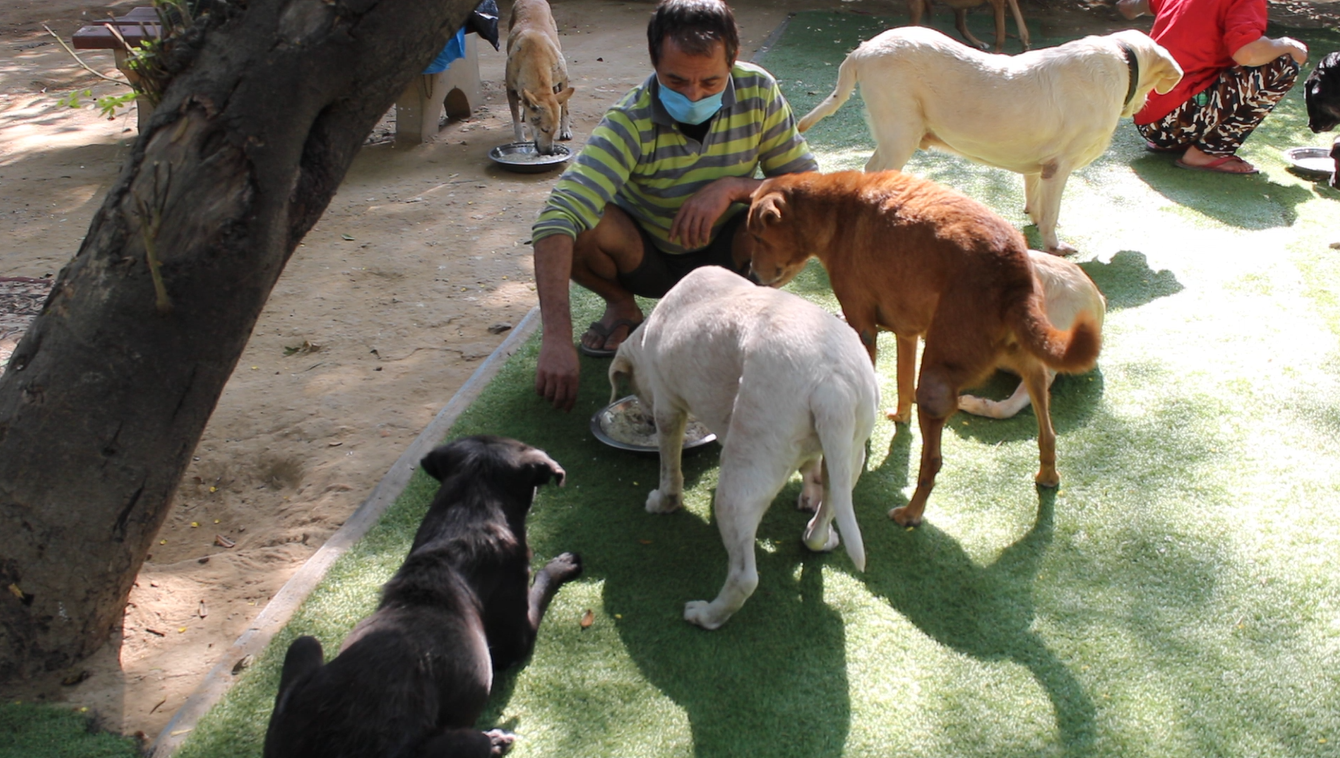
As per experts, besides expanding sterilisation and vaccination programmes, various steps need to be taken into account. For instance, to reduce scavenging and aggression, feeding points should be established in various areas to feed the dogs.
Additionally, at both the government and community levels, proper enforcement of animal welfare and dog population management plans, including Trap Neuter Return (TNR) programmes and adoption drives is essential. Experts also emphasise the importance of establishing dog bite surveillance systems and allocating resources to welfare organisations to effectively address the issue.
At the same time, experts emphasise the importance of individual responsibility, as human behaviour plays a significant role in improving the situation. Practicing responsible pet ownership, such as caring for dogs properly and ensuring they are vaccinated is crucial. Moreover, proper waste disposal and sterilising pets can help reduce aggression and contribute to a safer environment.
Overall, experts believe that tackling this complex and multi-faceted issue requires a collaborative effort from government agencies, animal welfare organizations, and local communities. Only through a comprehensive and sustained approach can we ensure a safer and more balanced coexistence between humans and stray dogs.
“The rise in stray dog populations and related bite incidents in cities has become a complex, multi-faceted issue that demands a comprehensive solution involving government agencies, animal welfare organisations, and local communities,” adds Badam.
