
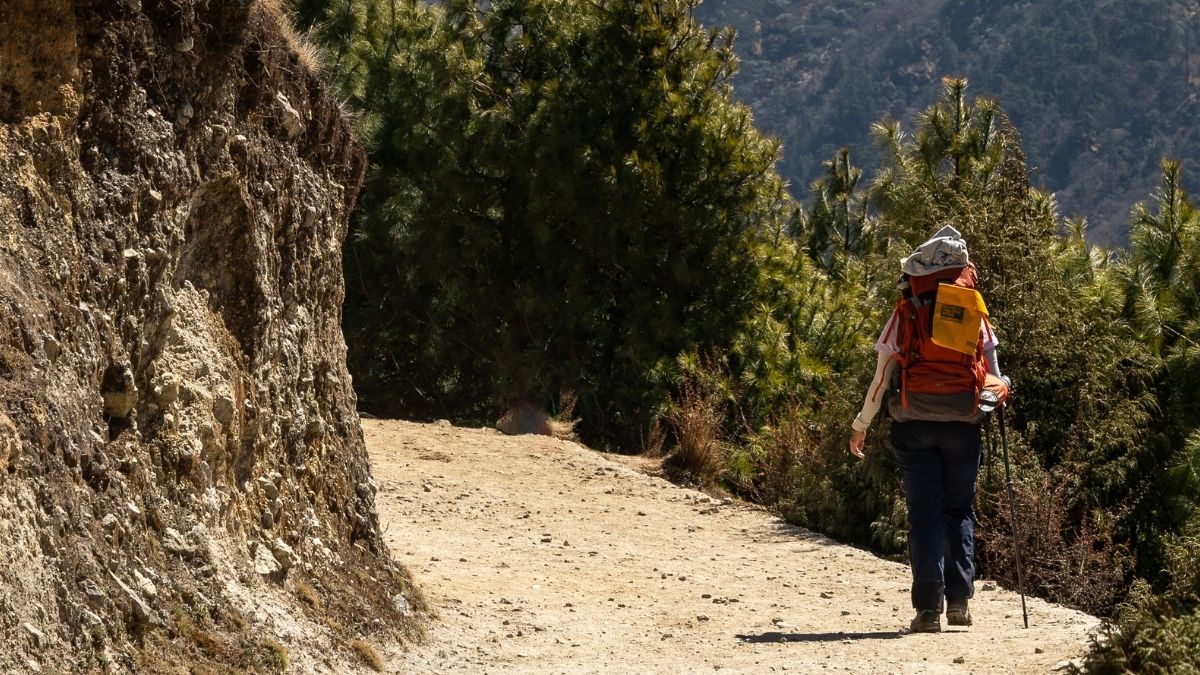
Governments to adopt a scientific and responsible regulatory framework for high-volume, low-cost trekking (Photo: Ranjeet Roy)
The Adventure Tour Operators Association of India (ATOAI), the national representative body for adventure travel and tourism operators, has released a policy brief urging governments to adopt a scientific and responsible regulatory framework for high-volume, low-cost trekking to protect India’s fragile mountain ecosystems and support sustainable adventure tourism.
In a press statement, ATOAI says that the absence of destination-specific regulations has contributed to overcrowding, environmental degradation and safety concerns across India’s mountain destinations. It cited the closure of Stok Kangri, restrictions on the Chadar Trek and Nanda Devi Sanctuary, and the Uttarakhand High Court’s ban on ‘bugyal camping’ as examples of destinations exceeding their ecological limits.
The statement adds that ATOAI has recommended carrying-capacity-based permit systems, mandatory guide-to-trekker ratios, minimum safety standards, enhanced emergency preparedness and greater accountability for trek operators. The association has also urged State Governments and Union Territories to consult ATOAI and other stakeholders to develop practical, evidence-based regulations that protect fragile destinations and local livelihoods.

Tejbir Singh Anand
Also Read: Tejbir Singh Anand elected President ATOAI for 2026-28
“Adventure tourism has an extraordinary opportunity to become one of the strongest and most sustainable pillars of India’s tourism future. Our mountains, forests and great outdoors are a national treasure, while the communities living in these destinations are an integral part of the adventure tourism ecosystem. With thoughtful planning, responsible practices and collaboration between governments, operators, local communities and other stakeholders, we can create an environment where adventure tourism continues to grow while enhancing safety, protecting our natural heritage and creating meaningful livelihoods. India has the opportunity to set a global benchmark for responsible adventure tourism by adopting a balanced, science-based and destination-specific approach. By working together, we can unlock the full potential of trekking and other adventure activities, ensuring that our destinations remain vibrant, safe and sustainable for generations to come,” says Tejbir Singh Anand, President, ATOAI.
In the statement, ATOAI reaffirmed its commitment to collaborating with the Ministry of Tourism, State Tourism Departments, State Governments, Union Territories and other stakeholders to foster a safe, sustainable and globally respected adventure tourism ecosystem.
