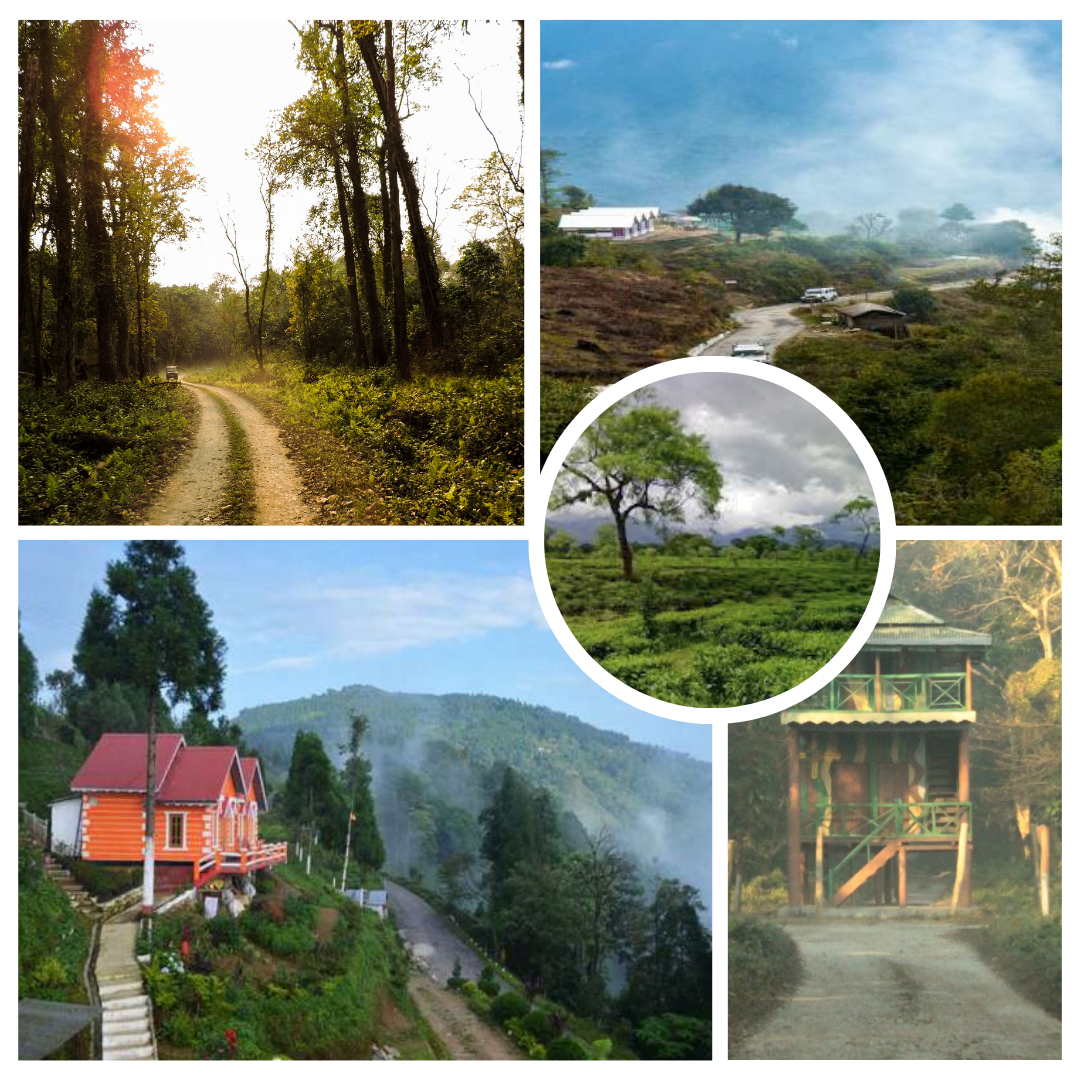
These offbeat locations offer a distinct blend of natural beauty, biodiversity and cultural heritage, drawing travellers in search of quieter, more immersive experiences
While Darjeeling and Kalimpong continue to dominate West Bengal’s tourism narrative, several lesser-known destinations across the state are quietly emerging as attractive alternatives. Tucked away in North Bengal in the Eastern Himalayas and the Dooars region, these offbeat locations offer a distinct blend of natural beauty, biodiversity and cultural heritage, drawing travellers in search of quieter, more immersive experiences.
Places like Lataguri, Rishop, Tinchuley, Chilapata, and Lepchakha remain largely under the radar of mainstream tourism. Characterised by dense forests, panoramic mountain views and strong community-based hospitality models, they provide a compelling counterpoint to commercial hill stations. Most of these destinations are accessible by road from Siliguri and have seen gradual infrastructure development aimed at sustainable and eco-friendly tourism.
Lataguri
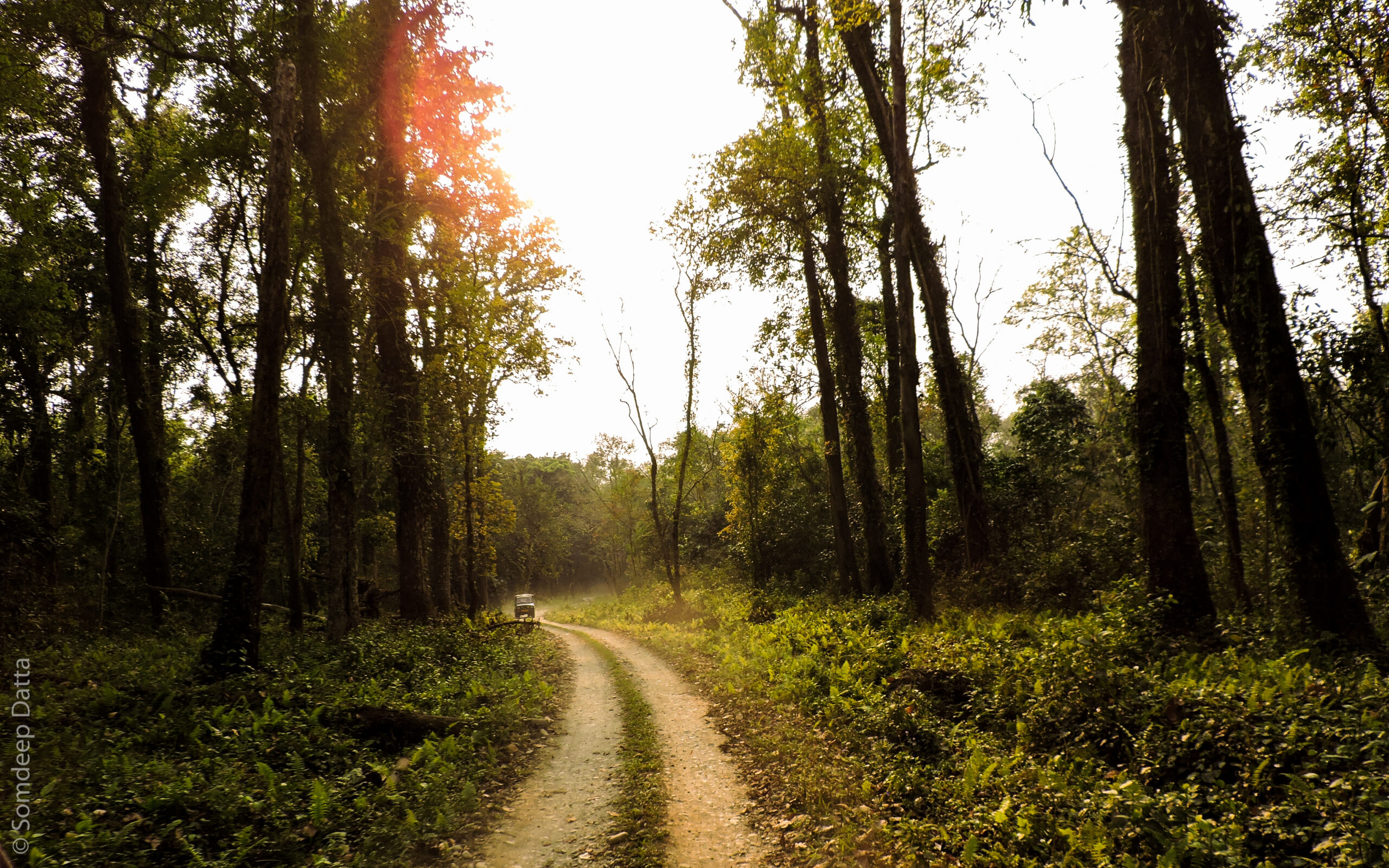
Lataguri is famous for its proximity to two major wildlife sanctuaries Gorumara and Chapramari (Photo: Wikimedia)
Situated about 80 km east of Siliguri, Lataguri is a serene town in West Bengal’s Jalpaiguri district, best known as the entry point to Gorumara National Park. Set in the lush Dooars region, this offbeat destination offers a rare combination of forest adventure and peaceful rural charm. Lataguri is famous for its proximity to two major wildlife sanctuaries Gorumara and Chapramari. Gorumara, declared a National Park in 1994, is home to the Indian one-horned rhinoceros, Asian elephants, gaur or the Indian bison, leopards and numerous deer species. Bird lovers can spot hornbills, peacocks, woodpeckers and eagles among others.
Jungle safaris, organised by the West Bengal Forest Department, are the biggest draw here. Permits are issued from the Lataguri Nature Interpretation Centre, which also provides information about local flora and fauna. Safaris take tourists through watchtowers and salt pits, offering excellent chances to observe wildlife in their natural habitat.
Also Read: Karnataka’s hidden treasures: Explore the state’s offbeat villages
Beyond the forests, Lataguri offers access to the Murti River, tea gardens and tribal villages that reflect the culture of the Dooars. Eco-resorts and nature camps have developed in recent years, catering to responsible travellers and families looking to escape the city chaos.
With its mix of forest exploration and peaceful scenery, Lataguri is a perfect retreat for those seeking a quieter, greener alternative to the popular hill stations.
Rishop
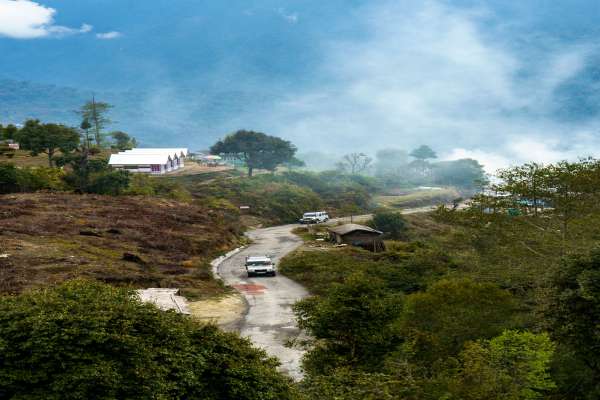
Rishop remains a place where one can truly disconnect from the outside world (Photo: West Bengal Tourism)
Nestled at an altitude of 2590 metres, and about 90 km north of Lataguri, Rishop is a remote village in the Kalimpong district of West Bengal that offers a perfect blend of natural beauty and serene isolation. It remains one of the lesser-explored destinations in the Eastern Himalayas, a peaceful retreat away from the hustle of urban life.
As one approaches Rishop, the world below gradually fades into a distant memory. The village is embraced by towering pine trees, rhodedendron blooms and the cool, fresh air of the Himalayas. The landscape is dominated by panoramic views of Kanchenjunga and the snow-capped peaks of the Kabru and Siniolchu ranges, a sight so vast, it seems to stretch across the heavens themselves.
One of Rishop’s unique charms is its pure tranquillity. The fresh air, the rustling of the forest leaves and the call of birds, this is a place where time feels still. From the Tiffin Dara Viewpoint, the sun rises over the Himalayan peaks, bathing them in golden light, while the valley below remains veiled in mist, creating a magical scene straight out of a painting.
Also Read: Five offbeat places to explore in Kashmir
Rishop, far removed from commercial tourism, is known for its rustic homestays and small lodges, where the hospitality is warm and genuine. The accommodations are simple, designed to blend harmoniously with the surroundings, ensuring a stay that feels deeply connected to nature. With only narrow, winding roads leading to the village, Rishop remains a place where one can truly disconnect from the outside world.
Hiking through the Neora Valley National Park, or simply enjoying the sweeping views from a hotel’s window, Rishop invites visitors to unwind in a landscape that feels timeless, untouched and unspoiled. A perfect hideaway for those seeking solitude, adventure, or a deep connection with the mountains.
Tinchuley
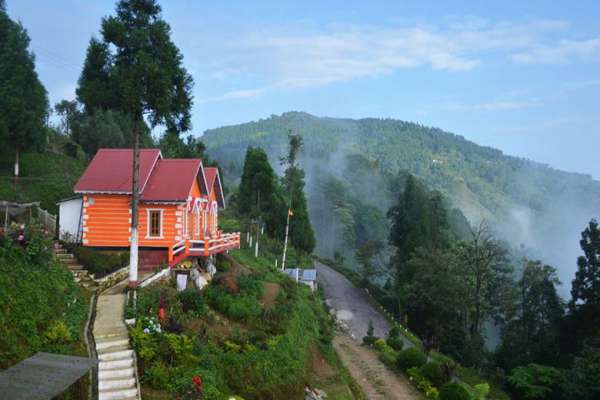
Tinchuley offers scenic trails, including a hike to the Tinchuley Viewpoint, which provides panoramic views of the Teesta Valley and surrounding mountains (Photo: West Bengal Tourisim)
Nestled in the serene hills of West Bengal, Tinchuley is a picturesque village at an altitude of 1676 metres located about 30 km from Darjeeling. Unlike the bustling hill stations, Tinchuley offers a peaceful retreat where the rhythms of nature dictate the pace of life, making it a perfect destination for those seeking calmness and a deeper connection with the mountains.
The village is surrounded by lush orange orchards, vibrant tea gardens and rolling hills, with the majestic Kanchenjunga towering in the background. On clear mornings, the first rays of sunlight illuminate the snow-capped peaks, creating a stunning panorama that feels almost unreal. The air, fresh and crisp, is filled with the scent of wildflowers and pine, offering a sensory experience that calms the mind and soul.
What makes Tinchuley truly special is its simplicity. There are no crowded markets or noisy streets, just quiet lanes, friendly locals, and a slower pace of life. The villagers, primarily Lepchas and Bhutias, are warm and welcoming, eager to share their culture and way of life with visitors. Homestays are the preferred accommodation here, offering an intimate experience with home-cooked meals and the opportunity to learn about rural life in the Eastern Himalayas.
Also Read: Darjeeling
For nature enthusiasts and adventurers, Tinchuley offers scenic trails, including a hike to the Tinchuley Viewpoint, which provides panoramic views of the Teesta Valley and surrounding mountains. Birdwatching is another highlight, with the area being home to a variety of species, including the elusive Red Panda.
Tinchuley, with its peaceful ambiance and beautiful natural beauty, is the perfect escape for those looking to disconnect from the rush of everyday life and immerse themselves in the serenity of the Himalayas.
Chilapata
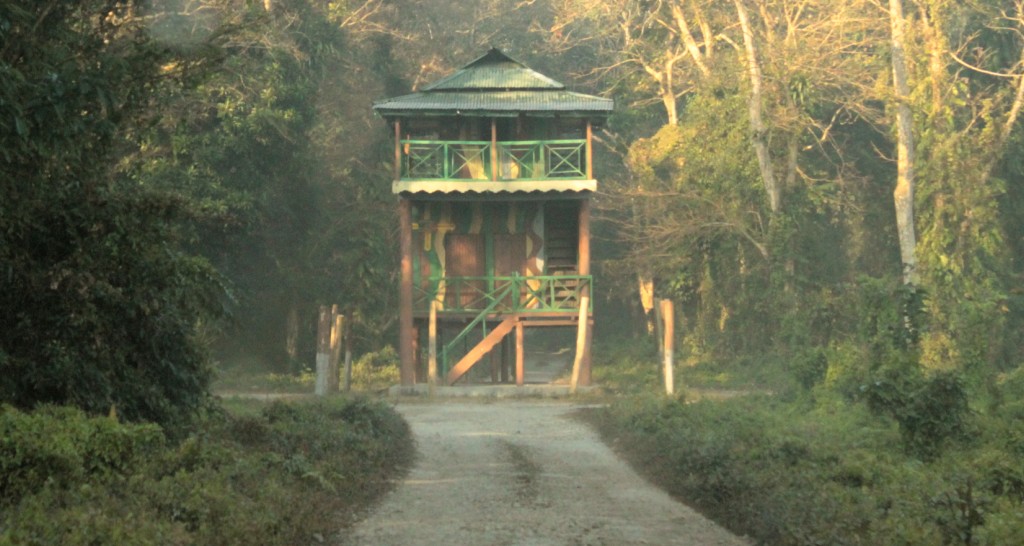
Chilapata is ideal for those who prefer off-the-map destinations where adventure is unscripted and nature feels untamed (Photo: West Bengal Tourism)
Another hidden gem tucked away in the foothills of the Eastern Himalayas, Chilapata lies close to Alipurduar, around 20 km away, and forms a dense forest corridor between Jaldapara National Park and Buxa Tiger Reserve. Though lesser-known than its neighbouring sanctuaries, Chilapata is no less captivating, offering an untamed wilderness experience for those seeking raw and rustic encounters with nature.
The forest is rich in biodiversity, home to elephants, leopards, bison, and even the occasional rhinoceros. Bird watchers will be thrilled with sightings of rare and colourful species flitting through the thick sal trees. What sets Chilapata apart is its sense of mystery, the dense canopy, the silence broken only by distant birdcalls or rustling leaves, and the haunting ruins of the Nalraja Fort, now being reclaimed by the forest.
Also Read: Mixing heritage with festivities to promote tourism in Bengal
Safaris and nature walks with local guides bring alive the hidden stories of this forest, including tribal folklore and ecological secrets. Community-based eco-tourism is growing here, with several homestays offering visitors a chance to experience tribal culture and forest living first-hand. Chilapata is ideal for those who prefer off-the-map destinations where adventure is unscripted and nature feels untamed.
Lepchakha
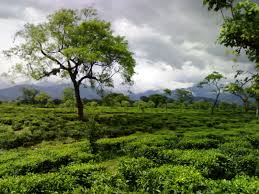
Lepchakha involves a moderately challenging trek of around 4 km from Santalabari (Photo: Wikimedia)
Often referred to as the ‘Queen of the Dooars’, Lepchakha is a peaceful hamlet perched atop a ridge in the Buxa Hills, located around 180 km from Siliguri. Situated within the Buxa Tiger Reserve, this village is home to the Dukpa community and offers breathtaking views of the Bhutanese hills and the meandering rivers of the Dooars below.
Reaching Lepchakha involves a moderately challenging trek of around 4 km from Santalabari, weaving through forests and past streams, but the reward is worth the effort. Once at the top, the silence is profound, the skies are endless and the panoramic views make visitors feel as if they are floating above the world.
The village itself is simple and unspoiled. Life here moves gently children play under clear skies, prayer flags flutter in the breeze, and villagers offer warm hospitality through humble yet cosy homestays. Lepchakha is a reminder of a slower, more harmonious way of living, one that is deeply connected to nature.
Ideal for trekkers, solitude seekers and those wanting to experience local culture, Lepchakha is a treasure for travellers looking to step off the beaten path and find serenity in the lap of the Eastern Himalayas.