
Films often frame masculinity as silence, anger as strength and vulnerability as weakness
“Mard ko dard nahi hota” (A man does not feel pain) a famous line from the 1985 Amitabh Bachchan starrer Mard (1985) has shaped generations of men raised on Hindi cinema where masculinity meant to quietly absorb the pain and prove the strength through stoicism. For decades Indian audiences were taught that masculinity was built on endurance. Men were never in tears but always in anger. It is true that cinema did not invent masculinity but has polished and sharpened it, broadcasting it widely. In a country where films function as guides and heroes often the templates, silence became strength and anger justified.
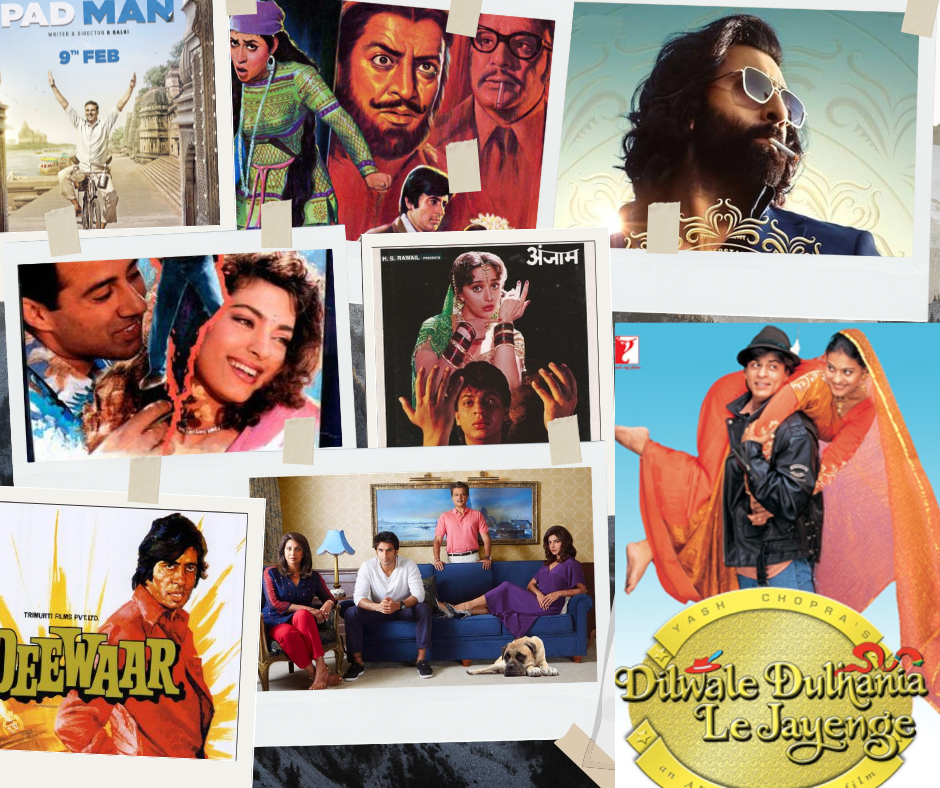
The 1970s saw a portrayal of ‘Angry Young Man’, most famously taken up by Amitabh Bachchan which, though emerging from socio-economic unrest, became the rule otherwise. His rage in films like Zanjeer (1973) and Deewar (1975) was against the systemic injustices, however the emotional release in these narratives was rare; grief was expressed through clenched fists. Loss was followed by violence and retaliation became the legitimate response allowed to men.
The core of masculinity remained almost the same, even though the male characters evolved each decade with a little whitewashing and tweaks of the previous one. Men were always the sun of the film around which the story revolved. Women were most often tied to the existence of men, often denied the individuality of character. Men were the saviours with a certain ‘incident’ in the plot happening for the male protagonist to save their mother, sister, wife or other female counterparts. Such tropes put subconscious impact pushing men to be the saviours, while women to be the dependent ones.
Also Read: Indian cinema in 2025: Hits, misses & surprises
Later films like Agneepath (1990), Khalnayak (1993) and Vaastav (1999), to name but a few, also brought in performances that engraved in the hearts and minds of the audience but also depicted anger and power.
The 1990s also shifted a little in the portrayal with the roles being little less serious. However, male protagonists were now depicted through lying and cheating as in films like Biwi No1 (1999). The infamously popular song from Darr (1993) which said, “Tu haan kar ya na kar, tu hai meri Kiran” (You are mine regardless of you saying a yes or a no, Kiran) put forward an image that consent did not matter. The end of the characters who stalked the female protagonists in films like Darr and Anjaam (1994) were quite different. While Darr again had a male character to protect the woman being stalked, the woman herself took the revenge in Anjaam.
The decades after 2000 have increasingly seen men portrayed as being in love while carrying toxicity on the sleeve like the pandora’s box. Justifying violence and mistreatment under the guise of love, Bollywood has always romanticised toxic masculinity. With large debates that broke out with the release of Kabir Singh (2019), director Sandeep Reddy Vanga was often seen justifying his male protagonist’s on-screen aggression. Bollywood has since long celebrated toxic masculinity, which GenZ calls a red flag, as romance. Animal (2023), was another such film which normalised physical abuse and violent heroism.
The characters that have questioned deeply etched masculinity have been less but were not invisible. Sunny Gill questioning Manav Sangha in Dil Dhadakne Do (2015) was the clear slate for a different perspective to masculinity. Even in Dilwale Dulhaniya Le JayengeDilwale Dulhaniya Le Jayenge (1995), Raj’s character is shown to embrace his femininity and masculinity likewise. The character is not shown to impose love through assertion but consent is shown as an important concept. His masculinity is not threatened by vulnerability.
Also Read: Political propaganda turning Indian cinema theatres into battlegrounds
With the changing gender discourse in the society, movies like Pad Man (2018) and Toilet: Ek Prem Katha (2017), have depicted male protagonists raising and championing women’s issues with empathy. Gender stereotypes have been seen breaking with films like Ki & Ka (2016), Shubh Mangal Zyada Savdhan (2020). The crisis of masculinity in representation in Bollywood cinema by challenging and reinterpreting the traditional concepts of masculinity can also be looked at while watching men in Rock On!! (2008) in which the male hero embraces his creative side while challenging the traditional concept of masculinity and Chak De! India (2007) where Kabir Khan does not hide his vulnerability.
Cinema’s influence on the society has been large and can even be seen in people getting haircuts like the lead roles in films like Tere Naam, Gajhni, or the exchange of friendship bands as in Kuch Kuch Hota Hai and popularisation of phrases like All Is Well and How’s the Josh after 3 Idiots’ and Uri: A Surgical Strike respectively.
In such a society it thus becomes important to watch the on-screen depiction with a sense of rationale if such portrayals of masculinity continues. The portrayal does not only force men to act in a certain way but also conditions women and others to tolerate their behaviour as the big screen legitimises it.
