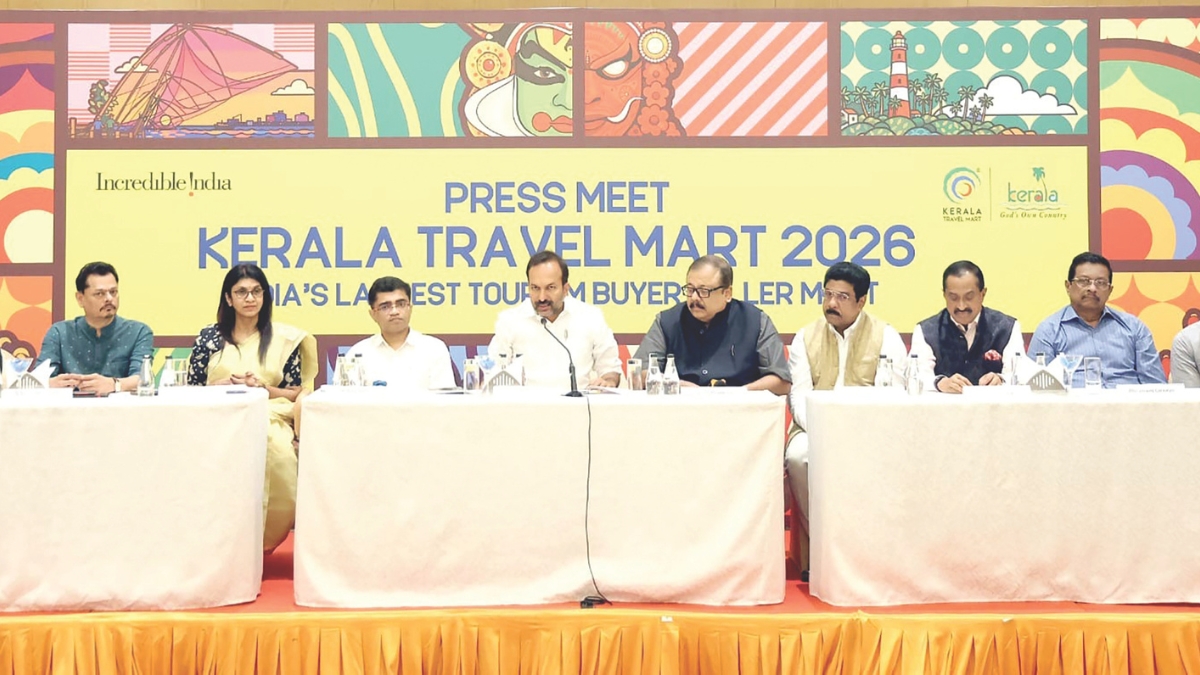
Kerala Travel Mart 2026 brings together tourism businesses and travel trade from India and overseas (Photos: KTM)
The 13th Kerala Travel Mart that will be held at Kochi in Kerala from September 24 to 27, bringing together more than 300 international buyers from 70 countries, 1,200 domestic buyers and over 400 exhibitors. The four-day event will connect Kerala’s hotels, resorts, tour operators, Destination Management Companies (DMCs), houseboats, homestays and wellness businesses with the global and Indian travel trade through B2B sessions.
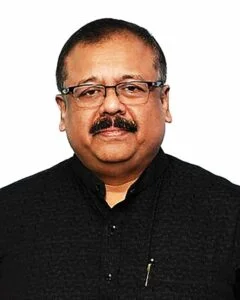
Jose Pradeep
According to Jose Pradeep, President, Kerala Travel Mart (KTM) Society, the association that organises the fair, KTM 2026 is focussing on expanding Kerala’s international market base while retaining its established source markets in Europe, the Middle East and North America.
“The 13th edition of KTM is expected to host around 300 international buyers from more than 70 countries and approximately 1,200 domestic buyers, along with more than 400 exhibitors. While our traditional markets remain important, we are also looking at Central Asia, Eastern Europe, Southeast Asia, Australia, New Zealand and selected African markets to diversify Kerala’s visitor base and reduce dependence on individual markets,” Pradeep tells India & You.
Hari Kumar C, Vice President, Kerala Travel Mart Society, says that the selection of buyers has been given greater attention, with the focus shifting towards business potential rather than participation numbers.
“Our priority is to give exhibitors maximum opportunities to present their products and services to buyers from across the world. We have placed greater emphasis on buyer quality and have turned down a large number of buyers in pursuit of potential. The objective is quality over quantity, while also giving smaller and lesser-known members an opportunity to present their products to international buyers,” Kumar tells India & You.
Also Read: Kerala to grant industry status to tourism sector by October
KTM is expected to feature buyers from markets that have received less attention in Kerala’s tourism trade, including Eastern Europe, Central Asia, Australia, New Zealand, Taiwan and selected African countries.
Pradeep says that these markets are being considered as part of an effort to broaden Kerala’s international demand base. Kumar also pointed to emerging markets such as Kenya and Nigeria, where there are travellers of Indian origin, as part of the new focus.
However, the organisers are clear that the domestic market will remain a key component of the event. Kumar says that domestic tourism has become an important source of business for Kerala’s tourism industry throughout the year, including during periods when international travel faces disruptions.
However, there are challenges for growing this segment. Kumar identifies relatively higher airfares as an issue affecting Kerala’s competitiveness, particularly when travellers compare the destination with other regional markets.
“Higher airfares are one area which is pushing Keralam back, and this is being cashed in by other destinations,” says Kumar.
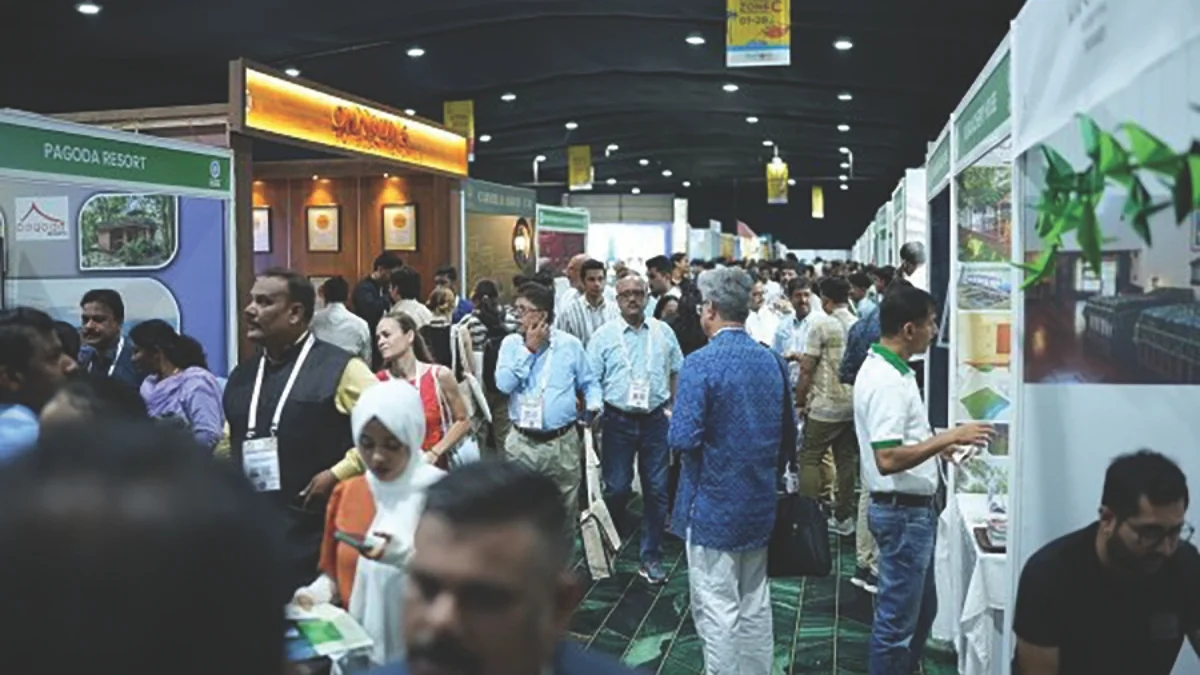
Travel trade professionals from across India and many other parts of the world will attend Kerala Travel Mart 2026
He cites Sri Lanka as one destination competing for similar travellers, noting its geographic and tourism similarities with Kerala as well as the connectivity provided by its national airline.
As part of its diversification strategy, the organisers say that KTM will also focus on tourism products beyond Kerala’s established backwaters, beaches and Ayurveda offerings. MICE, weddings, wellness, adventure, cruise tourism, rural experiences, plantation tourism, agro-tourism and community-led experiences are among the segments being promoted.
Pradeep says that the focus is increasingly on combining different tourism themes rather than promoting destinations individually.
“KTM will highlight emerging destinations and niche experiences, including North Kerala, inland waterways, plantation experiences and community-led tourism. We are also looking at integrated circuits that combine culture, cuisine, nature, wellness and adventure, encouraging visitors to stay longer and explore different parts of the state,” says Pradeep.
Kumar says that Kerala’s geography and carrying capacity should guide the development of new segments, particularly MICE and weddings.
“Keralam is fundamentally about nature wellness, cruise, rural experiences, adventure, MICE and weddings can be built around that strength. We have given greater importance to MICE in recent years, including through the first Wedding and MICE conclave. But there is no logic in competing with Rajasthan for massive weddings when our state does not have that infrastructure. Being small is our strength, and the focus should be on events that match the carrying capacity of the destination,” says Kumar.
The mart is also adapting its business processes to changes in tourism technology. Structured B2B appointments, digital networking tools and updated software are being used to support interactions between buyers and exhibitors.

Hari Kumar C
Artificial intelligence is another area receiving attention as travel companies increasingly use it for marketing, customer engagement and travel planning. Pradeep says that KTM will provide businesses with opportunities to understand these changes while highlighting Kerala’s use of technology.
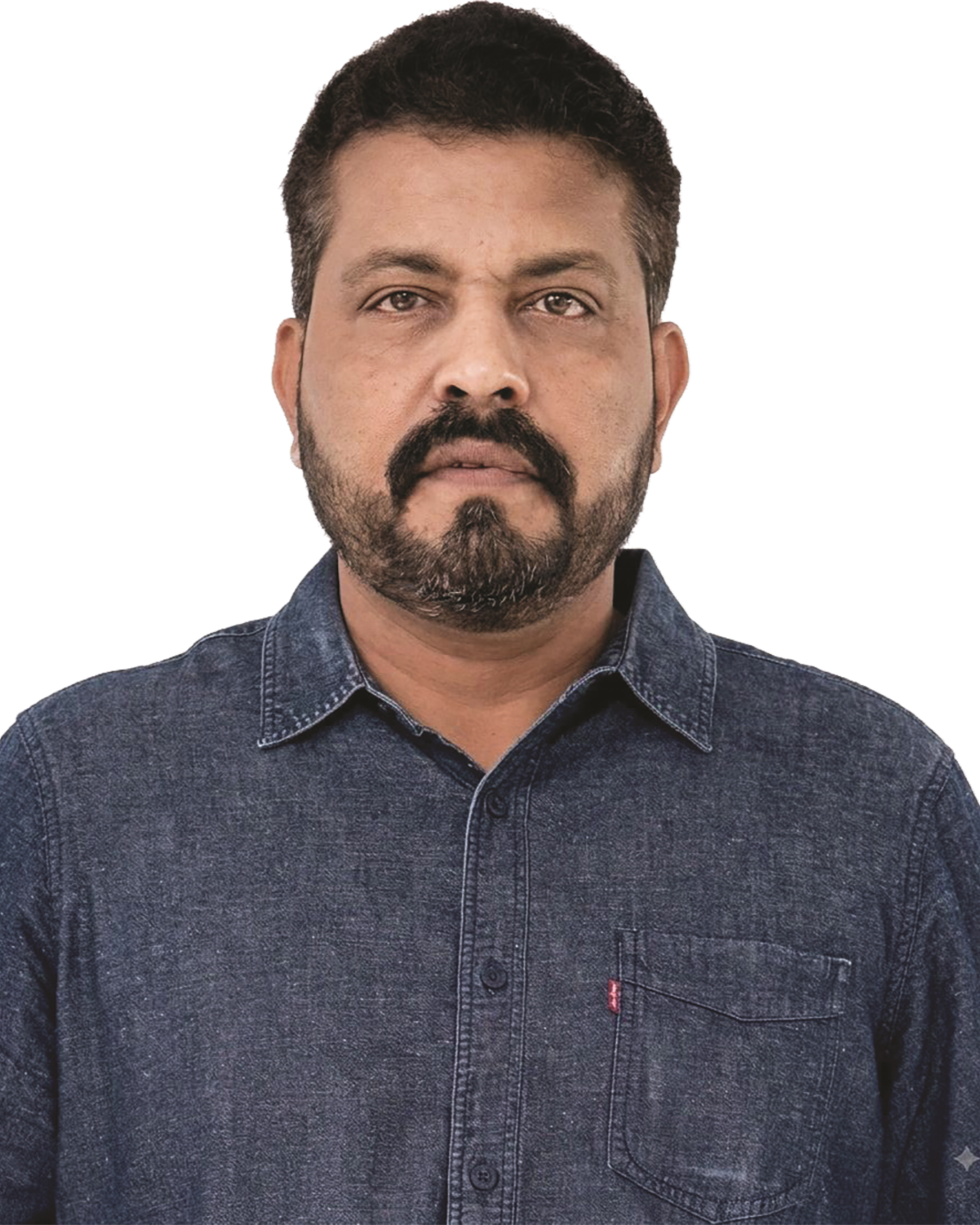
“Keralam has been a front runner in experiential, sustainable and responsible travel. We are continuously adding community-based activities, local ventures and initiatives supporting art forms, reducing carbon footprints and preserving nature. AI is the next big thing, and many of our members are already using it. KTM encourages human-to-human interaction on the mart floor, while we are also using AI support on the technical and IT side,” says Kumar.
Sustainability in and at KTM
Another key subject, sustainability, will also be reflected in the organisation of the event. Kumar says KTM follows a green protocol aimed at reducing the use of plastic and paper.
Digital applications and software are being used to move several event functions onto electronic platforms, reducing the need for physical material.
The approach also reflects Kerala’s broader focus on responsible tourism. Community participation, environmental conservation, low-impact tourism and locally driven experiences are among the areas being presented to buyers.
Pradeep says that sustainability and responsible tourism remain central to Kerala’s tourism strategy, with infrastructure, waste management, conservation and disaster preparedness becoming increasingly important as the sector faces climate-related challenges.
The event comes as destinations across Asia and the Indian Ocean compete for international travellers. Pradeep says that Kerala’s immediate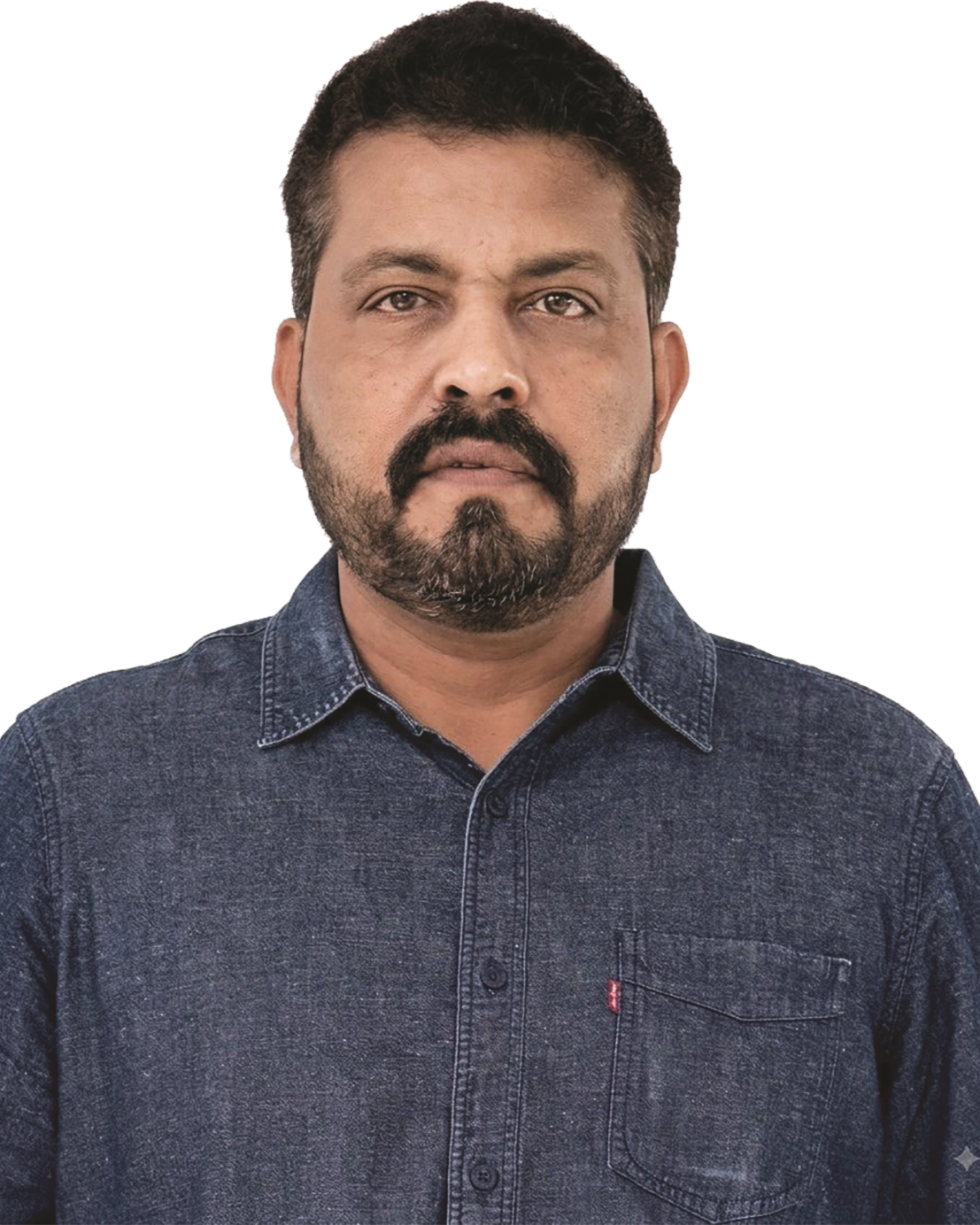
Also Read: Over 3,000 buyers register for KTM 2026
KTM is being used to address this through direct business connections between Kerala’s tourism companies and international buyers.
“The biggest challenge is sustaining consistent international growth amid global economic conditions, geopolitical uncertainties and increasing competition. KTM brings the travel trade together, creates direct business opportunities, strengthens buyer confidence and expands market access for Kerala’s tourism industry,” says Pradeep.
Kumar says that the event’s buyer-selection strategy is intended to make those business meetings more productive for exhibitors. He adds that KTM also has a role in ensuring that smaller tourism businesses can access international markets rather than leaving trade opportunities concentrated among established companies.
For Kerala’s tourism industry, the focus of KTM 2026 is therefore not only on increasing buyer participation but on diversifying source markets, expanding the range of tourism products and creating business opportunities for smaller enterprises.