Durga Puja is the biggest spiritual and cultural event on Bengali calendar
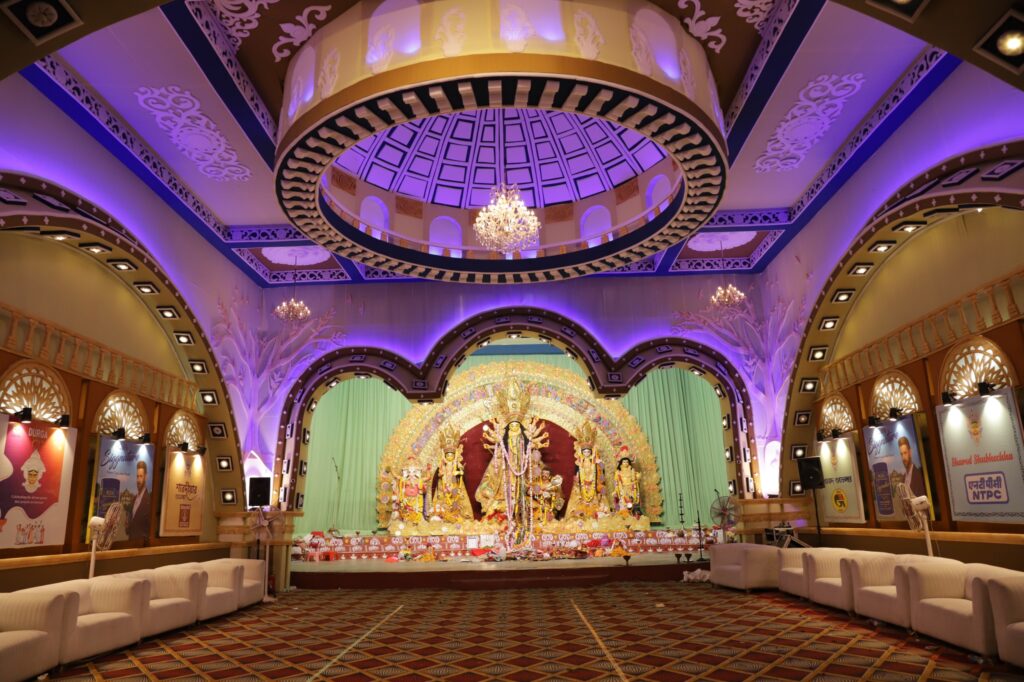
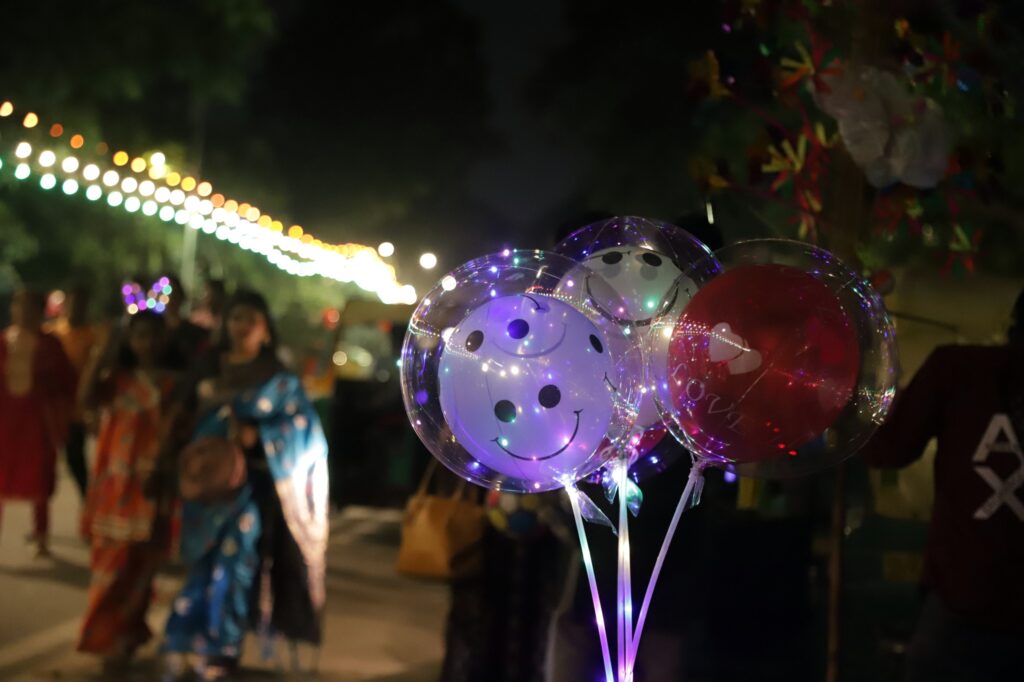
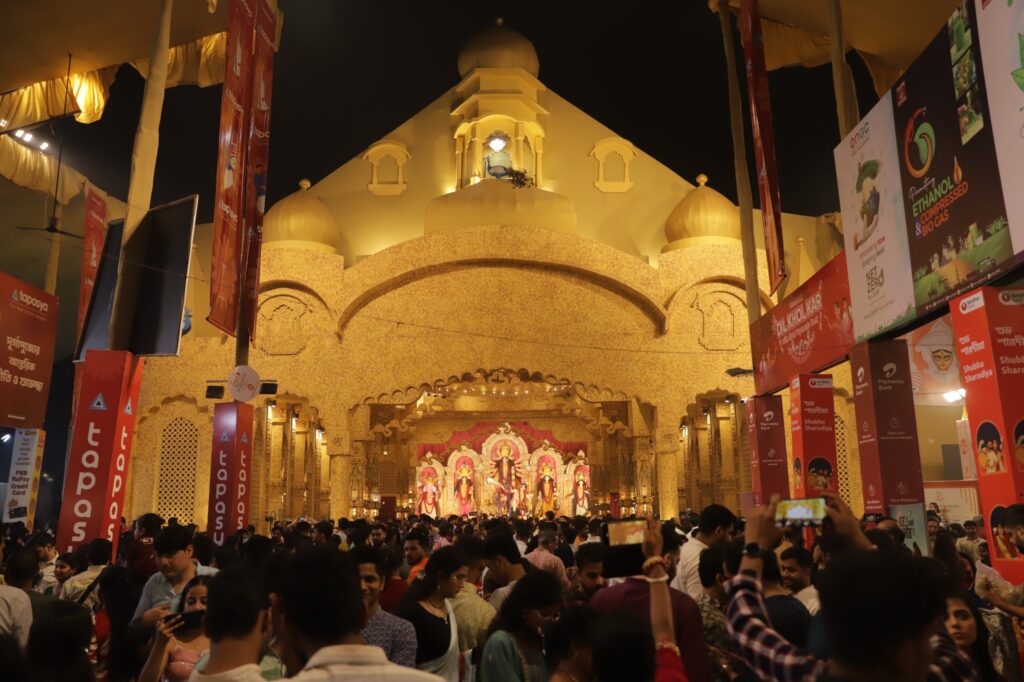
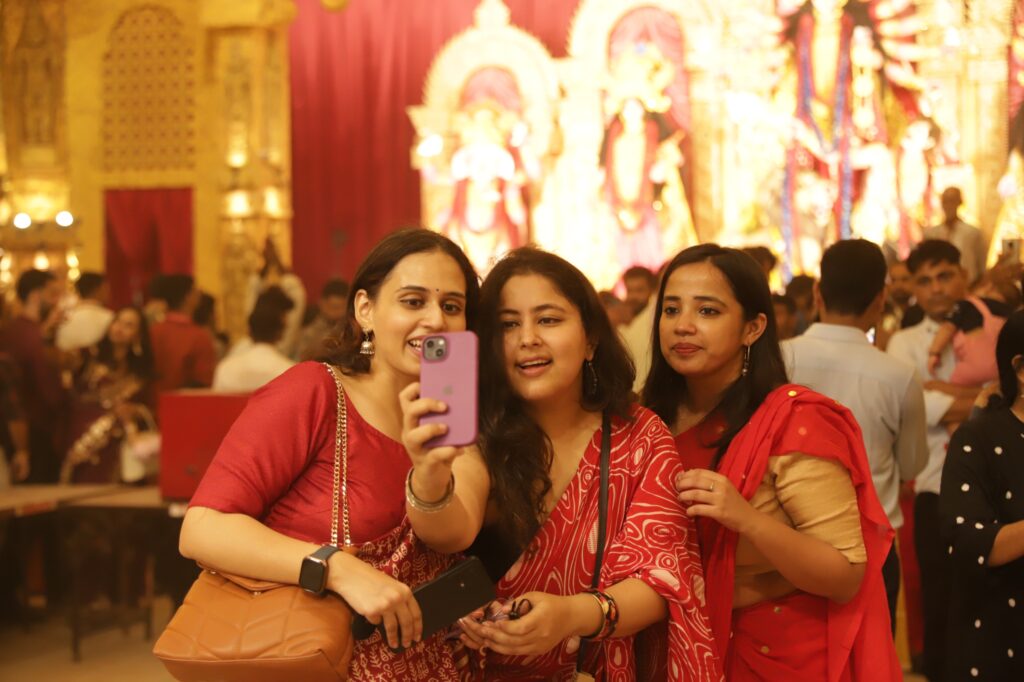
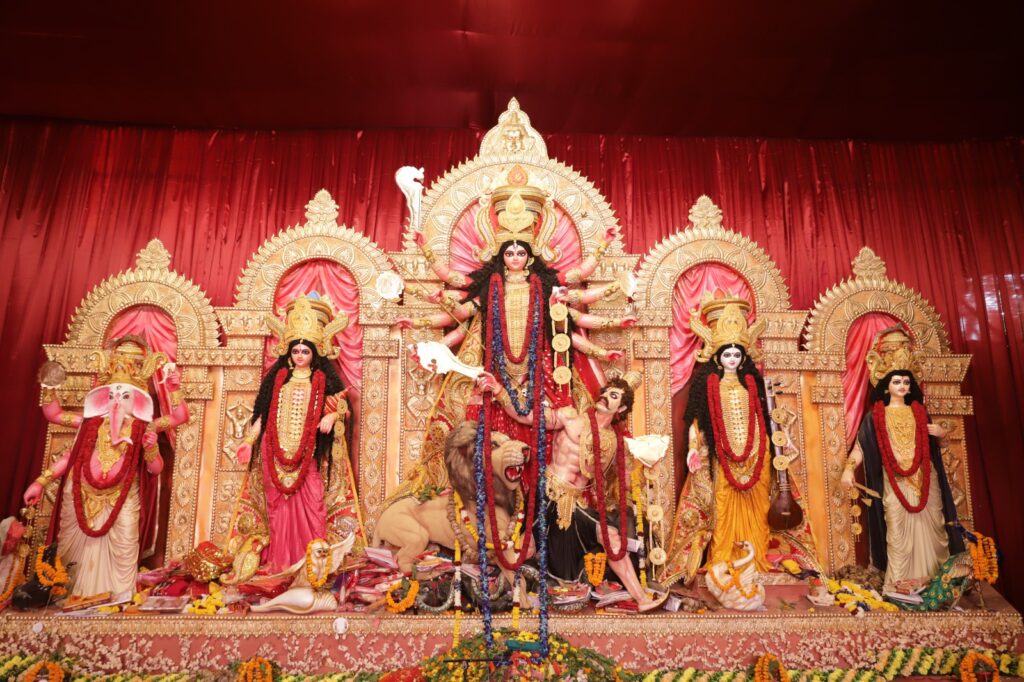
Every year, the lanes of Chittaranjan Park in South Delhi come alive with lights, colours and devotion as Durga Puja celebrations transform the locality, predominantly inhabited by Bengalis, into a vibrant cultural hub.
For the Bengali community, as well as for countless others across faiths, this festival is more than just a religious occasion, it is an emotion, a connection to roots, and a celebration of shared culture.
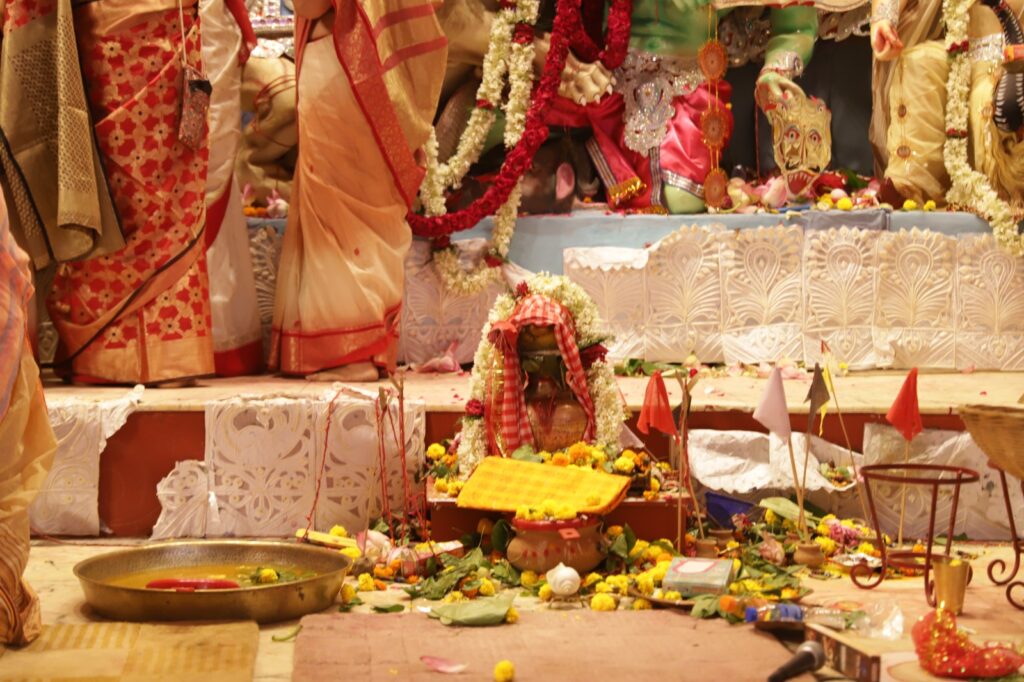
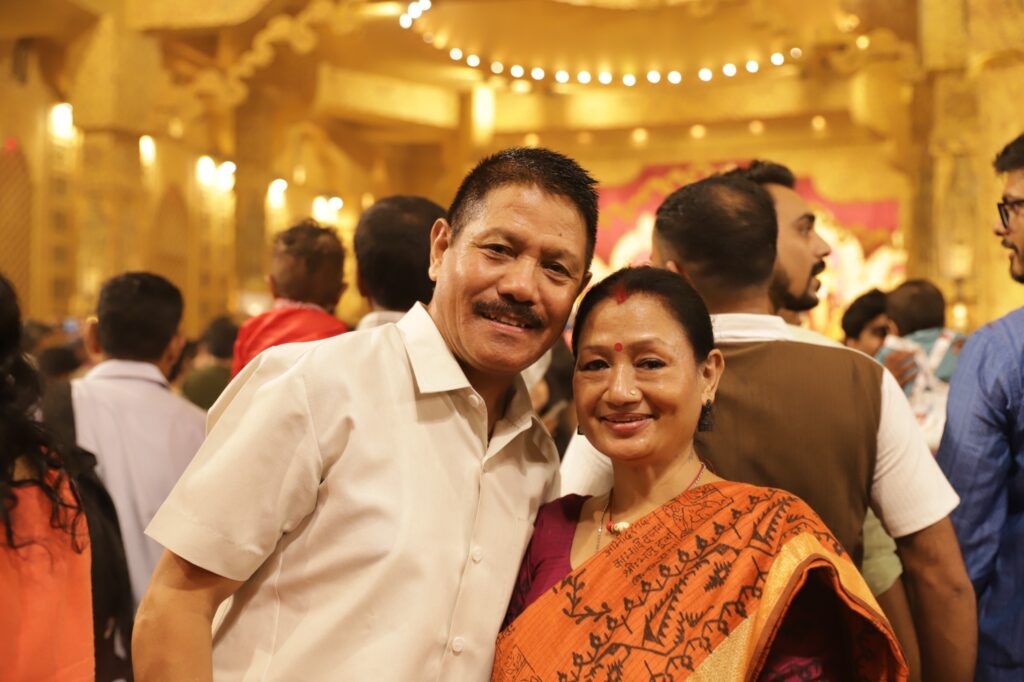
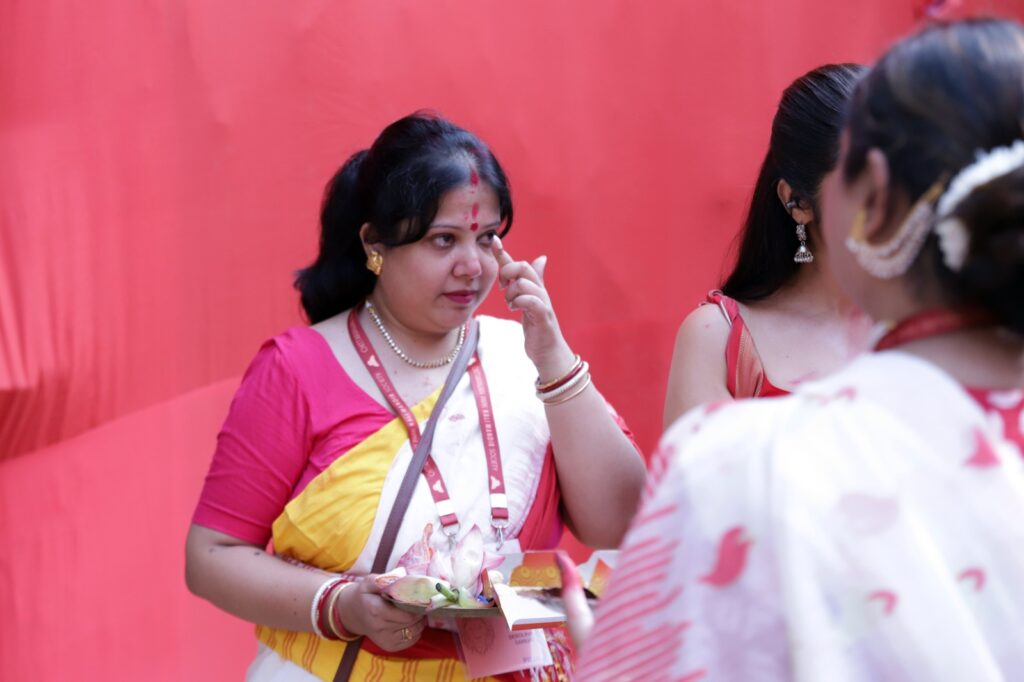
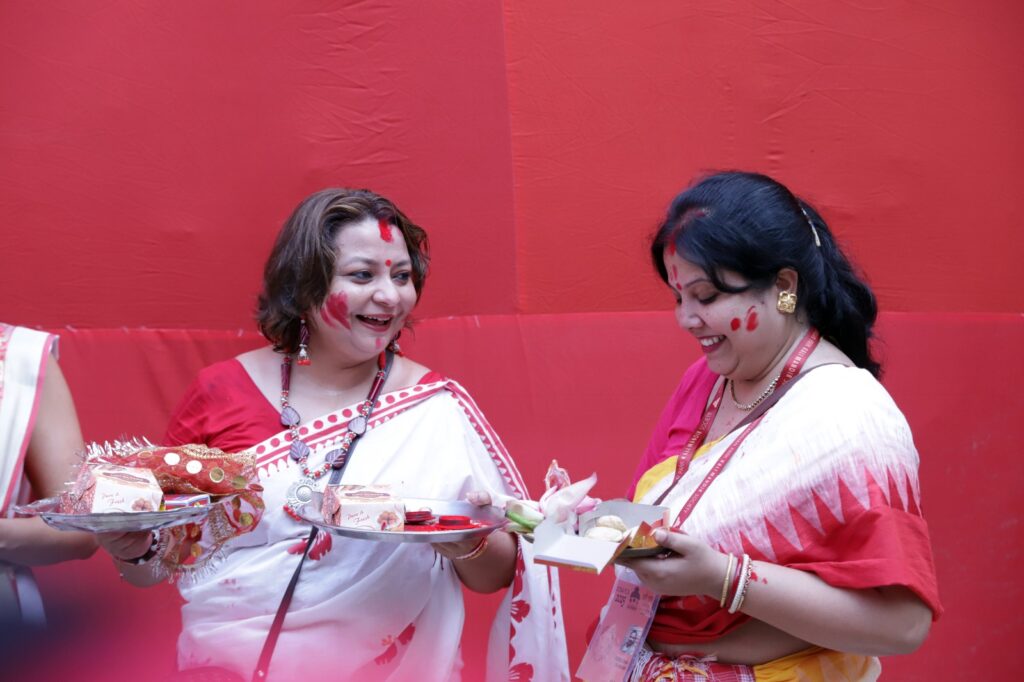
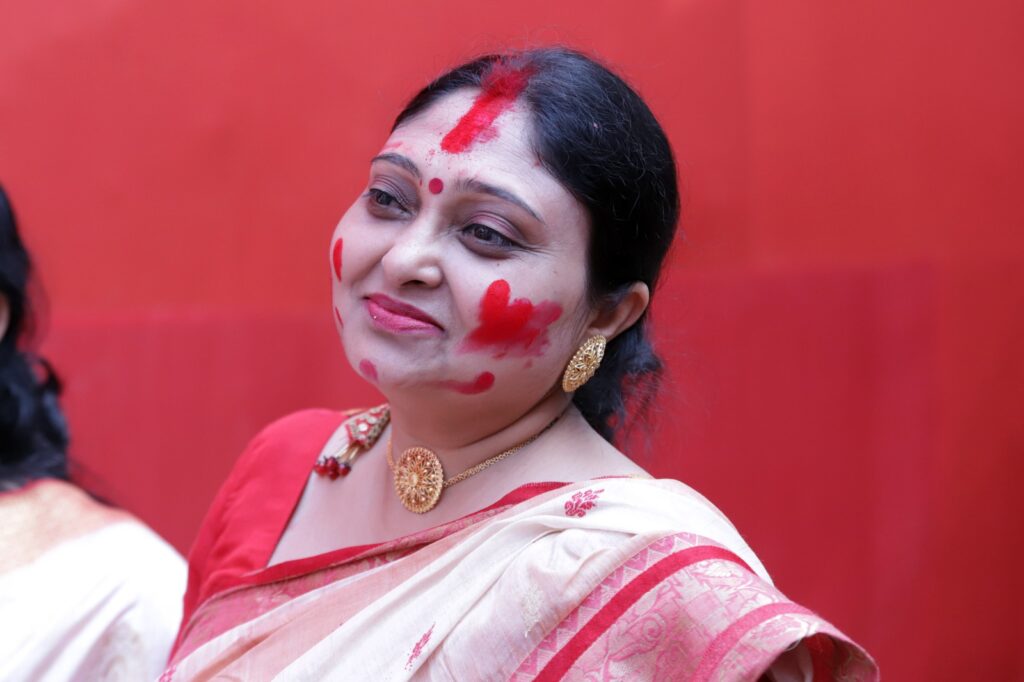
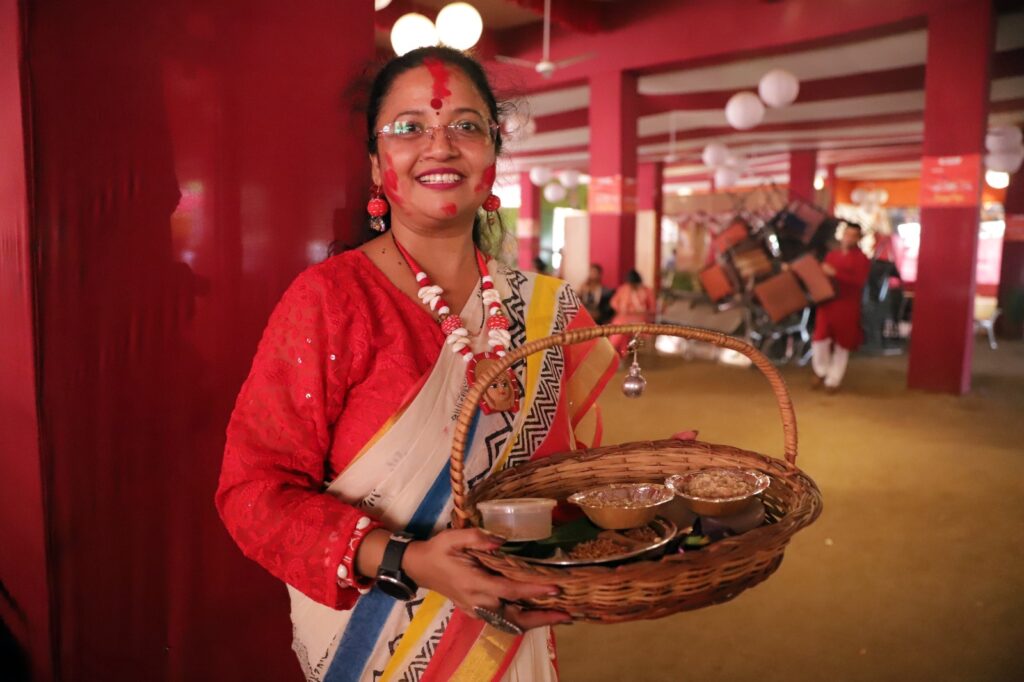
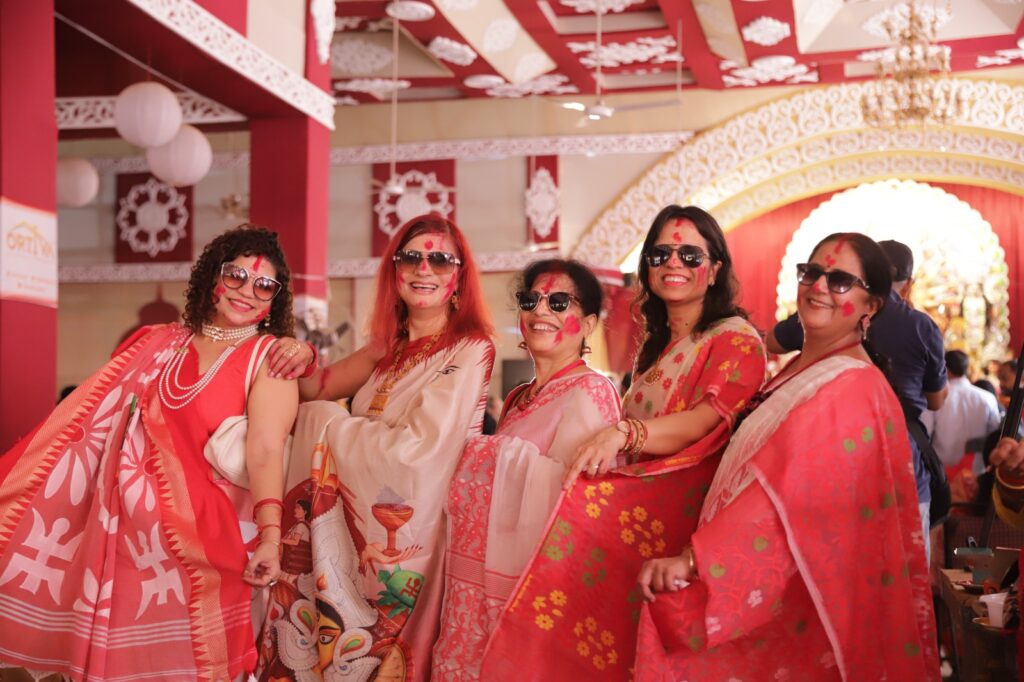
“I come from a Buddhist background, but after my marriage into a Hindu family, I became closely connected with Hindu traditions as well,” Jintu Rama, a middle-aged housewife, hailing originally from West Bengal, tells Media India Group with a warm smile as offered her prayers to Durga.
Rama says that she moved to Delhi about 35 years ago and has since been an active part of the Durga Puja festivities in Chittaranjan Park.
“Every time the festival arrives, it feels as if we are back home in West Bengal itself. By the grace of Goddess Durga, life has been full of blessings so far,” she adds.
Rama says that her devotion to Durga is profound. “We believe that Maa Durga, Maa Kali, and Maa Saraswati are all different forms of the divine mother. Maa Durga protects the universe, Maa Saraswati grants us wisdom and knowledge, and Maa Lakshmi blesses our home with prosperity,” she adds.
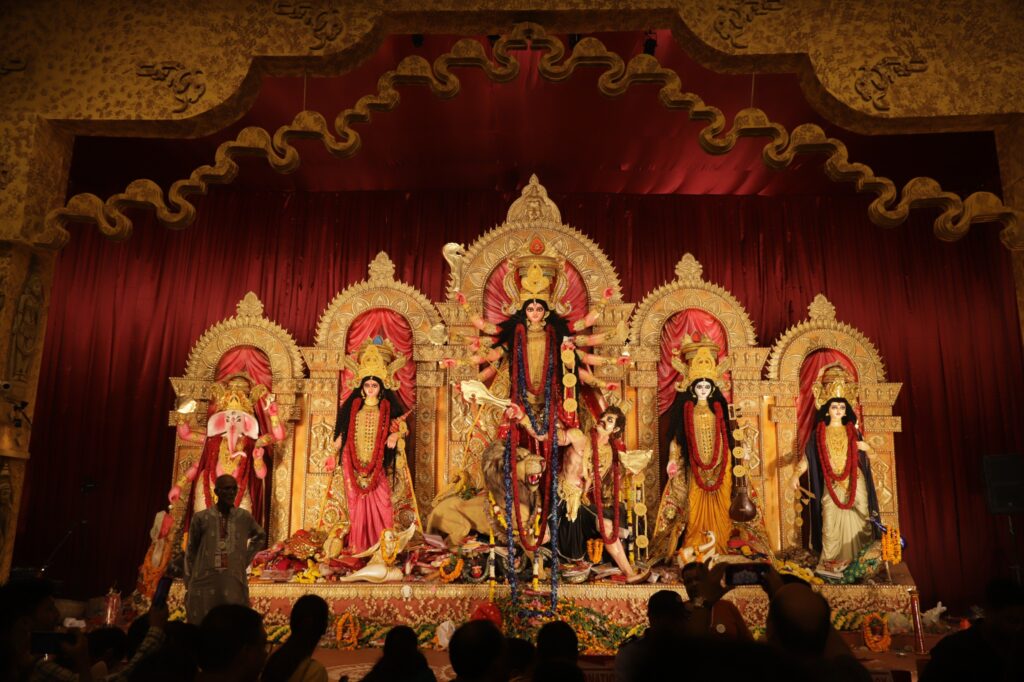
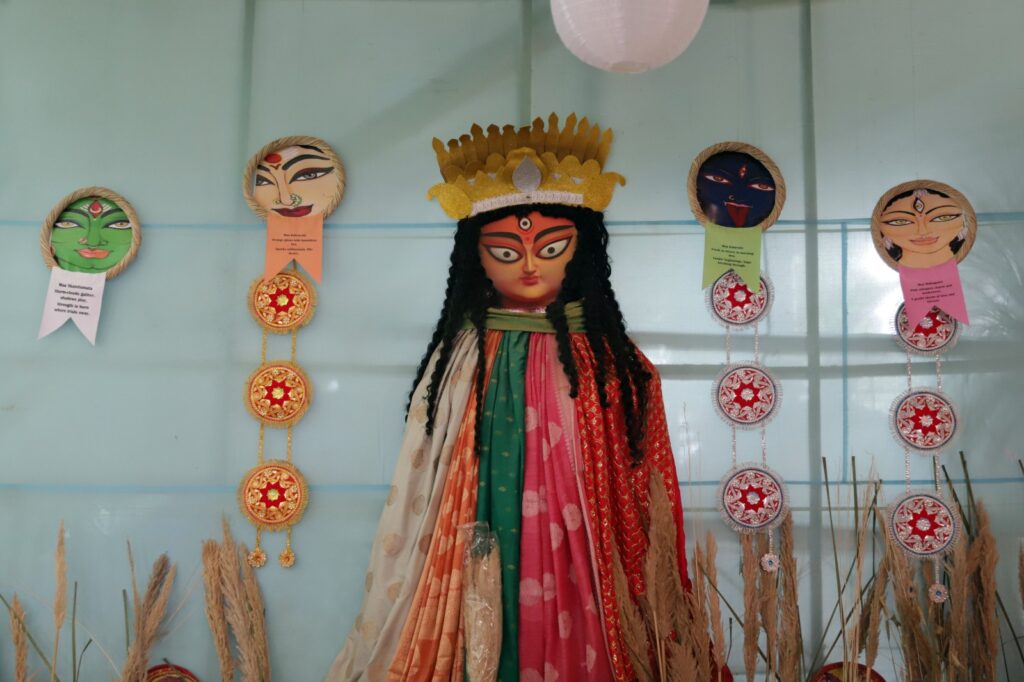
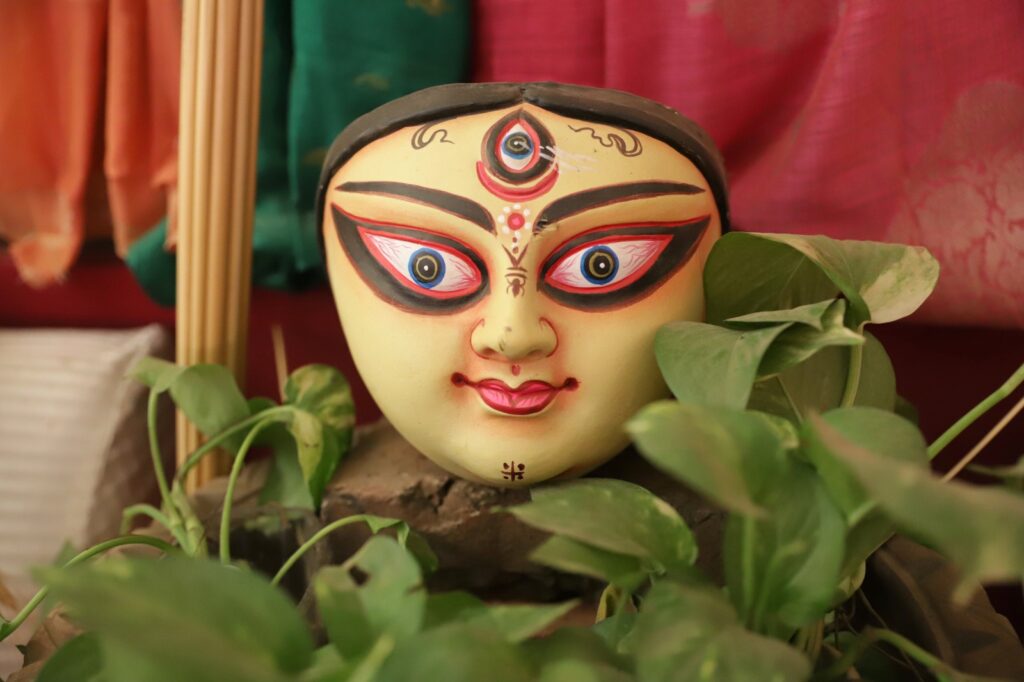
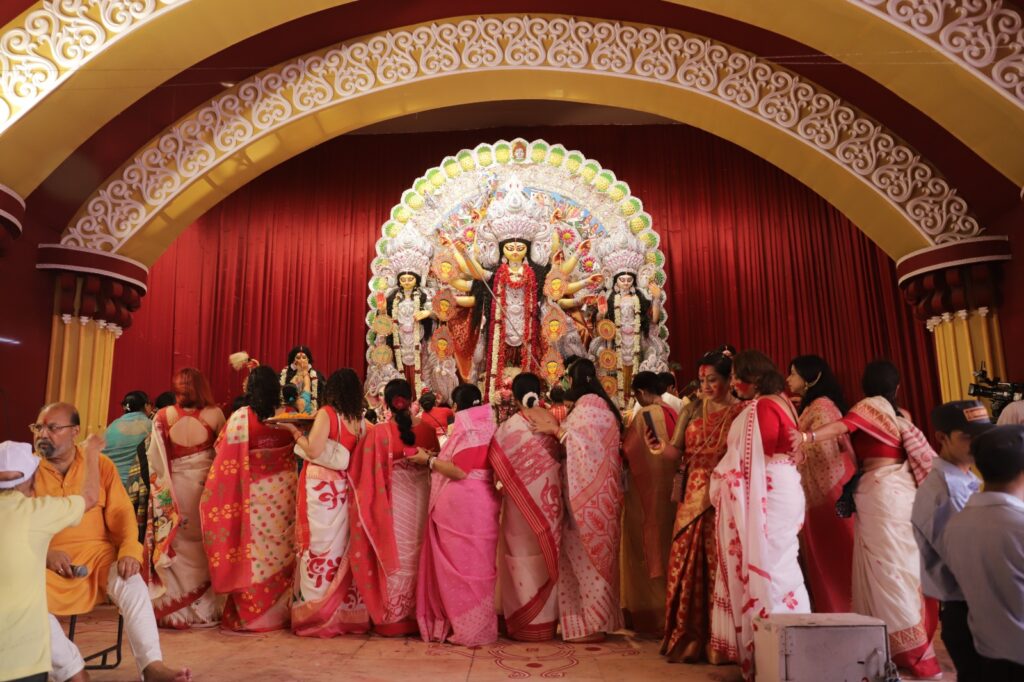
During Durga Puja, hundreds of thousands of devotees visit the dozens of pandals at C R Park, each with its own creative interpretation of Durga and the festival, seeking blessings. And it is not just the people from Delhi, but even those from surrounding areas turn up to partake in the unique festivities.
One such devotee is Shilpi Chatterjee, (in her forties) who has come from the neighbouring district of Noida in Uttar Pradesh to participate in the festival that she says is the highlight of her year.
“For us, Durga Puja is the biggest and most special festival. We wait eagerly for these four days throughout the year. They are not just days of celebration but a chance to reconnect with family, community, and tradition. With Maa Durga’s arrival, the entire atmosphere becomes sacred and festive,” Chatterjee tells Media India Group.
The devotees are attracted by practically all the aspects of the festival, including the spiritual as well as cultural.
“The chants, the devotion, and the atmosphere here feel truly divine and unforgettable,” Rama explains, adding that what she looks forward to most are the dazzling pandals and their artistry.
“The decorations are so mesmerising that one genuinely feels transported to Bengal. The cultural programmes, music, dance, and plays, make it a complete festive experience. Sitting together with thousands of people and enjoying the prasad or sanctified food, khichdi, vegetables, sweets, brings a sense of unity and fulfillment. The taste is even more divine because it is blessed by Maa,” she says.
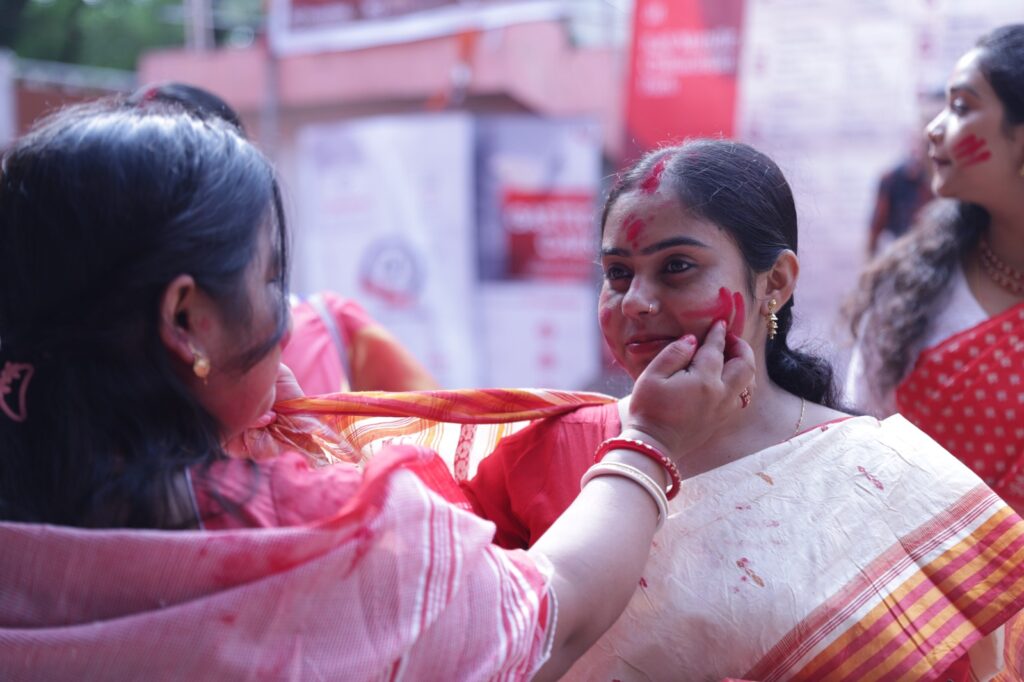
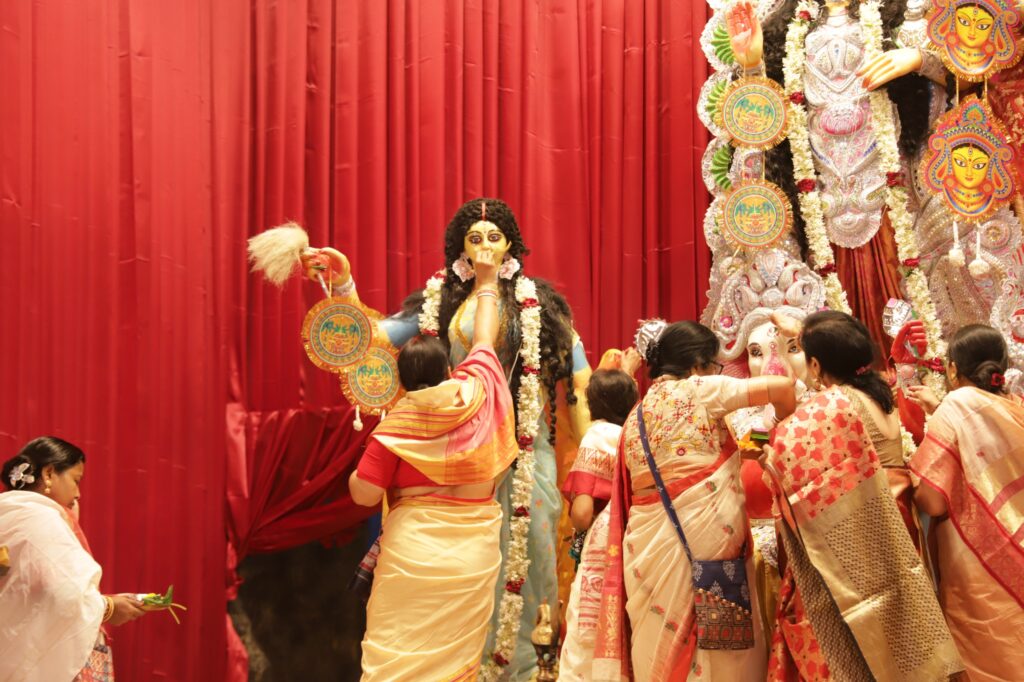
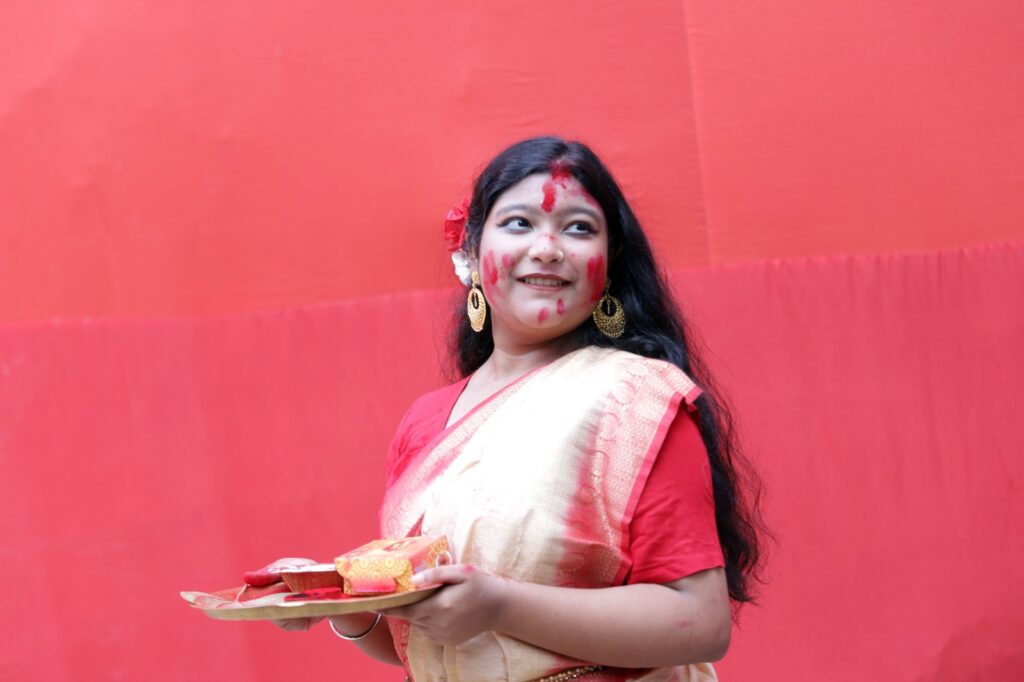
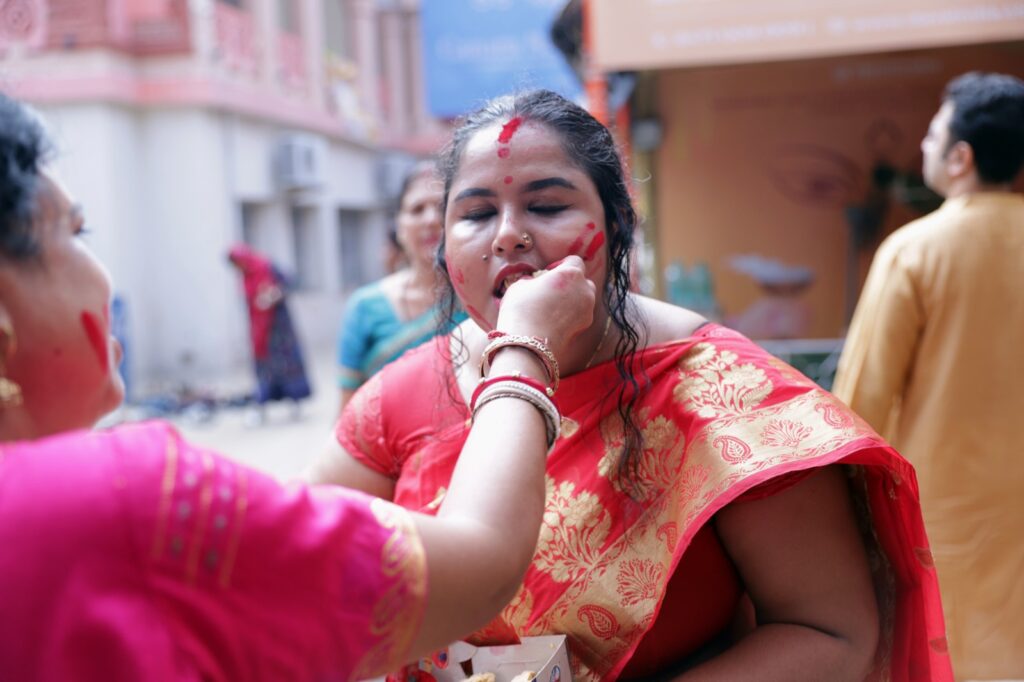
One of the highlights for the devotees is the moment when they bid farewell to Durga, called Sindoor Khela where the devotees colour each other and the Goddess with vermillion, rendering the entire ambience a colourful look.
“Married women apply vermilion to Maa Durga as part of the farewell ritual and then lovingly smear it on each other. That moment is filled with blessings, sisterhood and belonging. It feels as though the goddess herself is embracing everyone with love before departing,” says Rama.
For Chatterjee, too, Sindoor Khela is one of the most precious moments of the festival. “When all the married women come together, offer vermilion to the goddess, and then playfully apply it on each other, the moment becomes deeply emotional. It is not just a playful act, it carries profound cultural and religious significance. By offering sindoor to Maa, we pray for the long life of our husbands and the prosperity of our families. That day, the entire pandal glows in red, symbolizing the blessings and presence of the goddess,” she explains.
“Sharing the prasadam offered to Maa with hundreds of devotees makes it taste divine, it feels like Maa’s blessings are upon us all. Religious, because we pray for strength, wisdom, and prosperity, and it is also social, because it brings together people of all religions and communities, celebrating as one family. This festival unites everyone and spreads the message of harmony,” says Chatterjee.
According to Chatterjee, her family has been celebrating Durga Puja for more than four and a half decades.
“Most years, we travel to Bengal for the Puja. But whenever we cannot, we celebrate in Delhi, especially at C R Park, where the grand celebrations make us feel at home. Waking up early, taking a ritual bath, wearing traditional attire, visiting the pandal, and finally playing Sindoor Khela on Dashami, these are moments of immense joy.”
For Chatterjee, Rama and the countless others who participate in the festivities, Durga Puja is not just a festival. “It is an experience of faith, joy, culture, and unity,” she says firmly.