Pachmarhi: A quiet hill retreat with caves and waterfalls
Mythic rock shelters and untouched wilderness in the Satpura range
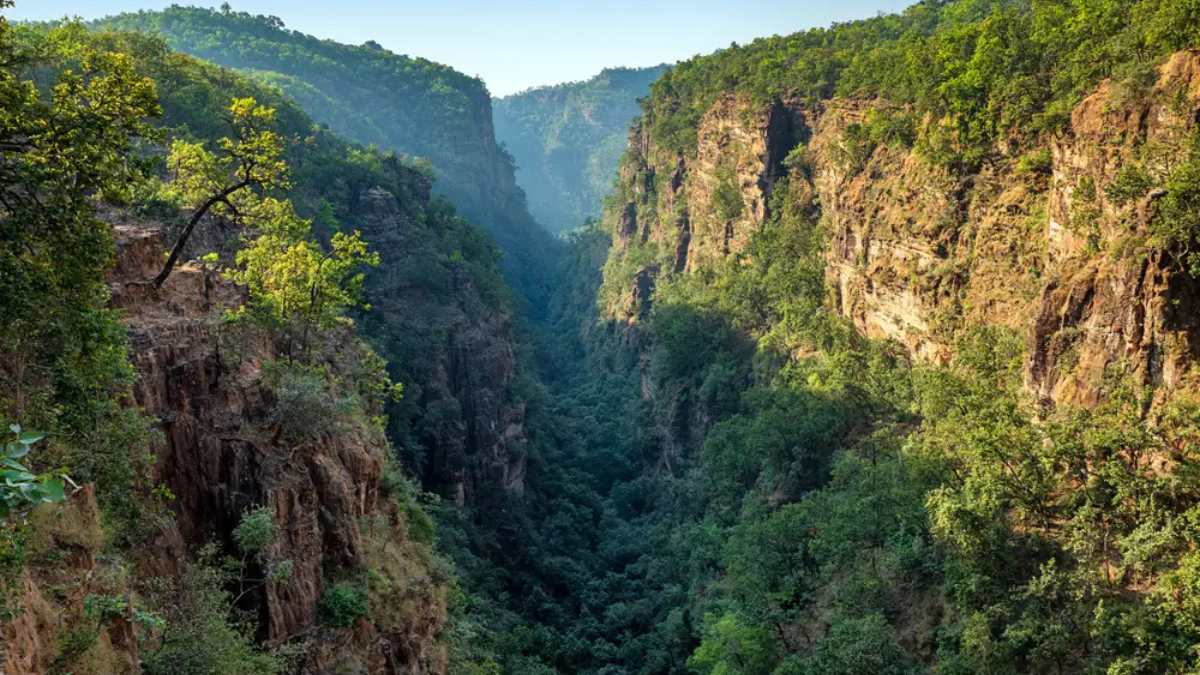
Enveloped in dense forest and wriggling water streams, Handi Khoh is a horse-shoe shaped ravine (Photos: MP Tourism)
Hidden in the Satpura range, Pachmarhi is Madhya Pradesh’s only hill station, known for its ancient caves, forest trails and largely unexplored waterfalls.
Enveloped in dense forest and wriggling water streams, Handi Khoh is a horse-shoe shaped ravine (Photos: MP Tourism)
Known for its waterfalls, lush green forests and ancient caves, Pachmarhi in Madhya Pradesh offers an ideal quiet retreat for tourists seeking tranquillity.
Located in the Hoshangabad district of Madhya Pradesh, about 200 km south of capital Bhopal, Pachmarhi sits at an elevation of about 1,070 metres above sea level. Set within the Pachmarhi Biosphere Reserve, the region is defined by sandstone cliffs, dense sal and teak forests and deep canyons shaped over centuries by streams and seasonal rains.
The hill station blends ancient caves, quiet waterfalls and forest trails, offering travellers a mix of myth, history and nature. Sites like the Pandav caves and Jatashankar shrine showcase its heritage, while Bee Falls, Apsara Vihar and Rajat Prapat highlight its serene landscapes. Dense forests support medicinal plants, birds and wildlife, creating a peaceful, offbeat retreat in the heart of the Satpura range.
Of ancient caves and sacred sites
Pandav Caves
The most iconic heritage site in Pachmarhi is the Pandav Caves, a cluster of five ancient rock-cut shelters carved into a low hill. Local tradition links them to the Pandava brothers from the Mahabharata, who are believed to have stayed here during their exile.
Historians and archaeologists suggest the caves were also used by Buddhist monks between the 1st and 10th centuries, giving them both mythological and historical significance. The simple architecture and forested setting make the site feel thoughtful rather than crowded.
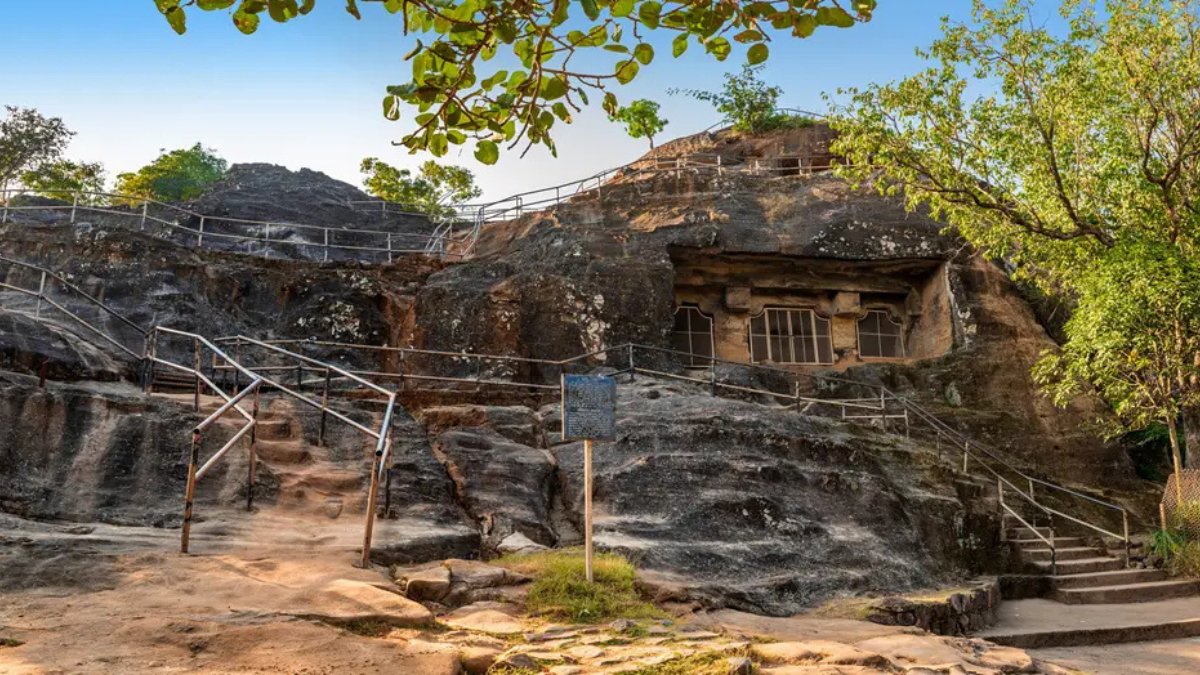
Carved at different levels of the hillside, the Pandav Caves reflect a rare blend of myth, early monastic life and quiet forest retreat
Also Read: Darma Valley: Tourism shaped by borders and seasons
Jatashankar Cave
A key spiritual landmark is Jatashankar, a natural cave shrine dedicated to Lord Shiva. Massive rock formations appear to hang insecurely above the cave, while a small stream flows through its dark interior. The stalagmite formations inside are worshipped as symbolic representations of Lord Shiva and the site remains an active place of pilgrimage, especially during Mahashivratri.
Waterfalls and natural pools
Rajat Prapat or Silver Falls
One of the highest waterfalls in central India, Rajat Prapat drops nearly 107 metres in a thin, silvery stream. Best viewed after the monsoon, the falls are visible from a designated viewpoint and highlight the dramatic vertical landscape of the Satpura plateau.
Apsara Vihar
Close to the main town, Apsara Vihar is a gentle waterfall that forms a clear, shallow pool surrounded by rock walls. It remains quieter than many hill-station waterfalls and is ideal for travellers looking for a calm break rather than dramatic views. The spot is especially peaceful in the early mornings.
Bee Falls
Bee Falls, also known as Jamuna Prapat, is one of Pachmarhi’s main water sources and a popular yet calm attraction. The waterfall descends through a narrow gorge, producing a constant humming sound that gives it its name. A shaded trail leads down to the base, where visitors can sit by the water or take a dip, particularly in warmer months.
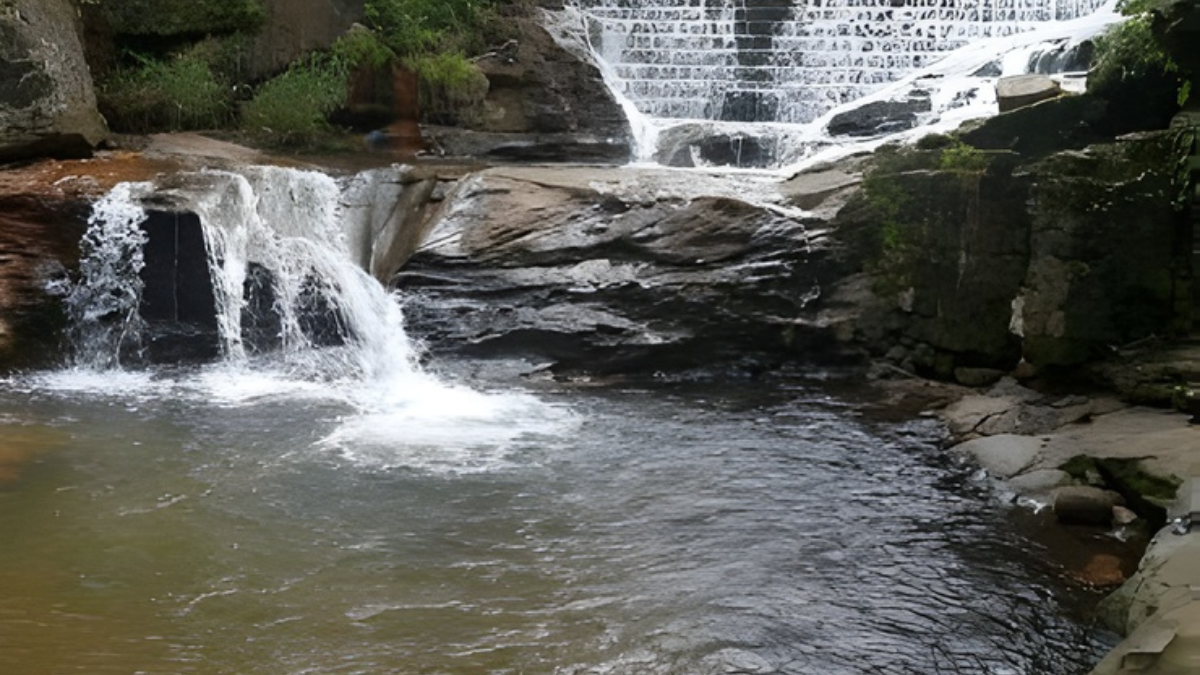
Bee Falls is also Pachmarhi’s main source of drinking water, fed by perennial forest streams that keep it flowing through most of the year
Also Read: Chandragutti: Karnataka’s hill town with heritage temples, old-world charm
Forest trails and viewpoints
Pachmarhi’s forests are as much a part of the experience as its landmarks. Walking paths wind through dense woodland to viewpoints like Handi Khoh, a deep ravine carved into sandstone cliffs and Reechgarh, a natural cave with striking rock formations. These trails remain largely uncommercialised, allowing travellers to explore at a relaxed pace.
As part of the Pachmarhi Biosphere Reserve, the region supports a high level of biodiversity shaped by its location in the Satpura range and its largely intact forest cover.
The reserve spans tropical moist and dry deciduous forests dominated by teak and sal, and is known to harbour more than 150 plant species used in traditional medicine, including amla, guduchi and harad, which have long been part of local healing practices.
The area is also rich in birdlife, with over 250 recorded species, along with mammals such as deer, gaur, leopards and in deeper forest zones, even tigers.
Culture and everyday life
Life in Pachmarhi moves at an unhurried pace, shaped by its forest setting and long association with pilgrimage and nature travel. The local population includes communities whose livelihoods are connected to forest produce, small-scale tourism and services. Hindi is widely spoken, with local dialects reflecting central Indian cultural influences.
Religious festivals, particularly those linked to Shiva worship, bring modest but meaningful activity to the town. Outside festival periods, Pachmarhi retains a calm atmosphere, with evenings marked by quiet walks, cool air.
Also Read: Chitkul: Last inhabited village of Himachal Pradesh
Local food and simple flavours
Pachmarhi’s local food culture is simple, seasonal and closely tied to forest life and tribal traditions of the Satpura region. Beyond familiar dishes like poha, visitors may come across lesser-known preparations such as kodo kutki ki roti or khichdi, made from indigenous millets traditionally grown by tribal communities for their high nutrition and easy digestion.
Mahua-based foods are another quiet presence in local kitchens. Mahua flowers are dried and used to make laddoos or fermented drinks during festivals, reflecting forest-based food practices.
Chironji, a forest-sourced nut, is used in sweets and gravies, adding a subtle richness to otherwise modest meals. Seasonal forest greens, locally called bhaji or saag, are cooked lightly with garlic and spices, while simple lentil dishes and rice form everyday staples. These foods are remained central to home-style meals, offering a genuine taste of Pachmarhi’s understated and rooted culinary identity.
When to visit
The best time to visit Pachmarhi is from October to February, when the weather is cool, dry and ideal for walking, sightseeing and forest trails. Day temperatures remain comfortable and evenings are crisp, making it the most pleasant period to stay for a few days.
Post-monsoon months, notably September and October, are especially scenic, with waterfalls at their fullest and the forests lush and green. March to June is warmer but still manageable compared to the plains, particularly for early morning and evening exploration.